


What’s better for offsetting carbon: tree planting or solar energy?
Here’s the short answer: both methods have strengths and challenges, and combining them often yields the best results. Solar energy provides immediate reductions by replacing fossil fuels, while trees store carbon over time and restore ecosystems.
Key Takeaways:
-
Tree Planting: Absorbs CO₂ naturally, but it will take years to show impact. Risks include wildfires and land-use conflicts. Additional benefits include improving soil and creating habitats.
-
Solar Energy: Reduces emissions instantly but depends on sunlight and requires land for large installations. It also supports clean energy transitions and creates jobs.
Best Approach: Use both. Solar energy tackles urgent emissions, while tree planting ensures long-term carbon storage and ecological recovery. Focus on verified projects with clear, measurable impacts.
Tree Planting: Natural Carbon Storage
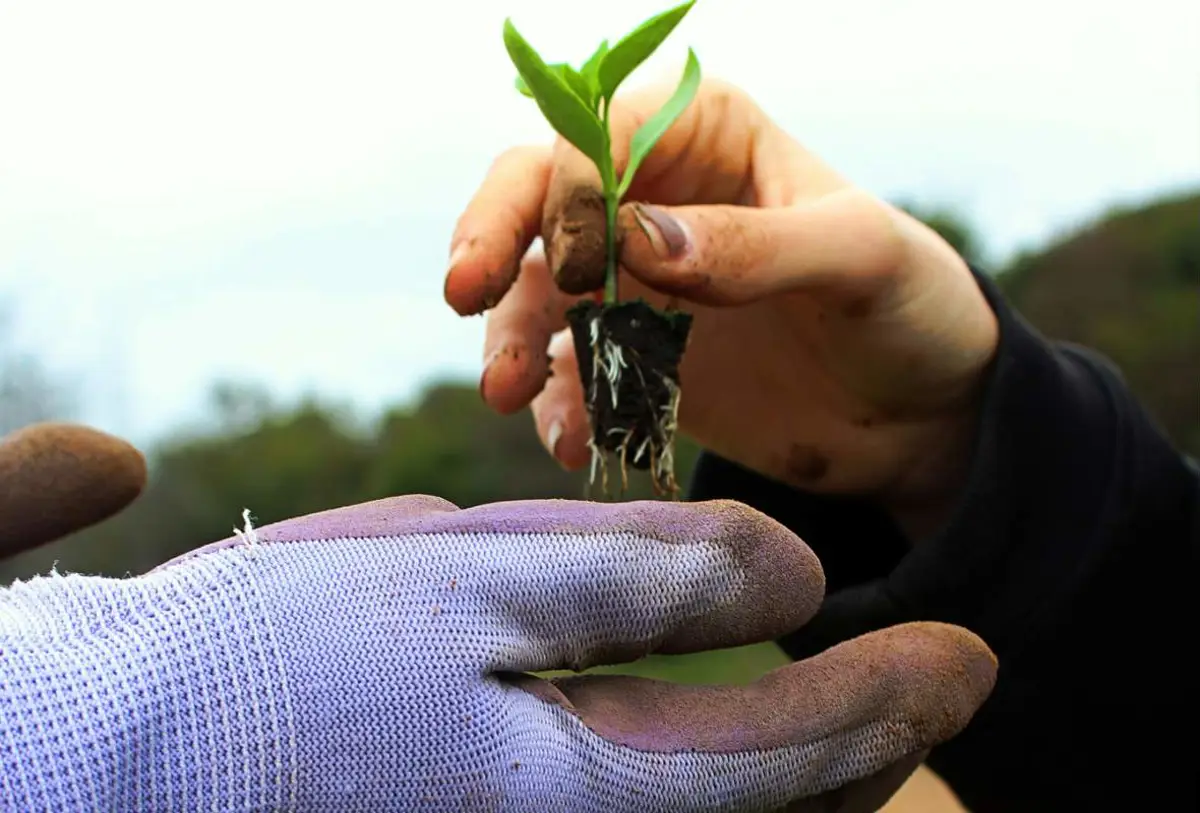
Trees have the incredible ability to store carbon by absorbing carbon dioxide and locking it away in their trunks, branches, roots, and soil. This natural process offers a practical way to help offset emissions from travel.
How Trees Capture Carbon
Through photosynthesis, trees absorb carbon dioxide via their leaves, converting it into the energy they need to grow. Oxygen is released as a byproduct, while the carbon becomes part of the tree's structure - its trunk, branches, roots, and leaves - where it remains stored.
There are many factors that determine how much carbon a tree can store, for example the type of forest, location, and species. Tropical forests, for example, grow faster than temperate ones, capturing carbon quickly due to their rapid growth. Young trees excel at absorbing carbon quickly, while mature forests store large amounts of carbon due to their size. Sustainable forest management, which includes planting diverse species and optimising tree spacing, further enhances carbon storage and improves forest resilience over time.
Additional Benefits of Tree Planting
Tree planting does more than just capture carbon - it also revitalises ecosystems and benefits local communities. Reforestation can restore damaged ecosystems, create habitats for various wildlife, and link fragmented landscapes. Trees improve soil health by preventing erosion; their roots secure the soil, and their fallen leaves enrich it with nutrients, enhancing water retention. Beyond environmental benefits, these projects often provide jobs in planting, upkeep, and monitoring, encouraging community involvement in sustainable land practices.
Challenges with Tree Planting
Despite its benefits, tree planting as a carbon offset strategy has limitations. Newly planted trees take years to reach their full carbon absorption potential, delaying the impact on emissions. Survival rates can vary depending on climate, species choice, and maintenance, which may reduce the effectiveness of reforestation efforts. Natural events like wildfires, storms, or pest infestations can also release stored carbon back into the atmosphere.
Additionally, conflicts can arise when reforestation projects compete with agricultural or other land uses. Lastly, as trees age and eventually die, they release their stored carbon during decomposition. This means that long-term carbon offsetting depends on ongoing forest management and replanting.
Solar Energy: Clean Power Offsets
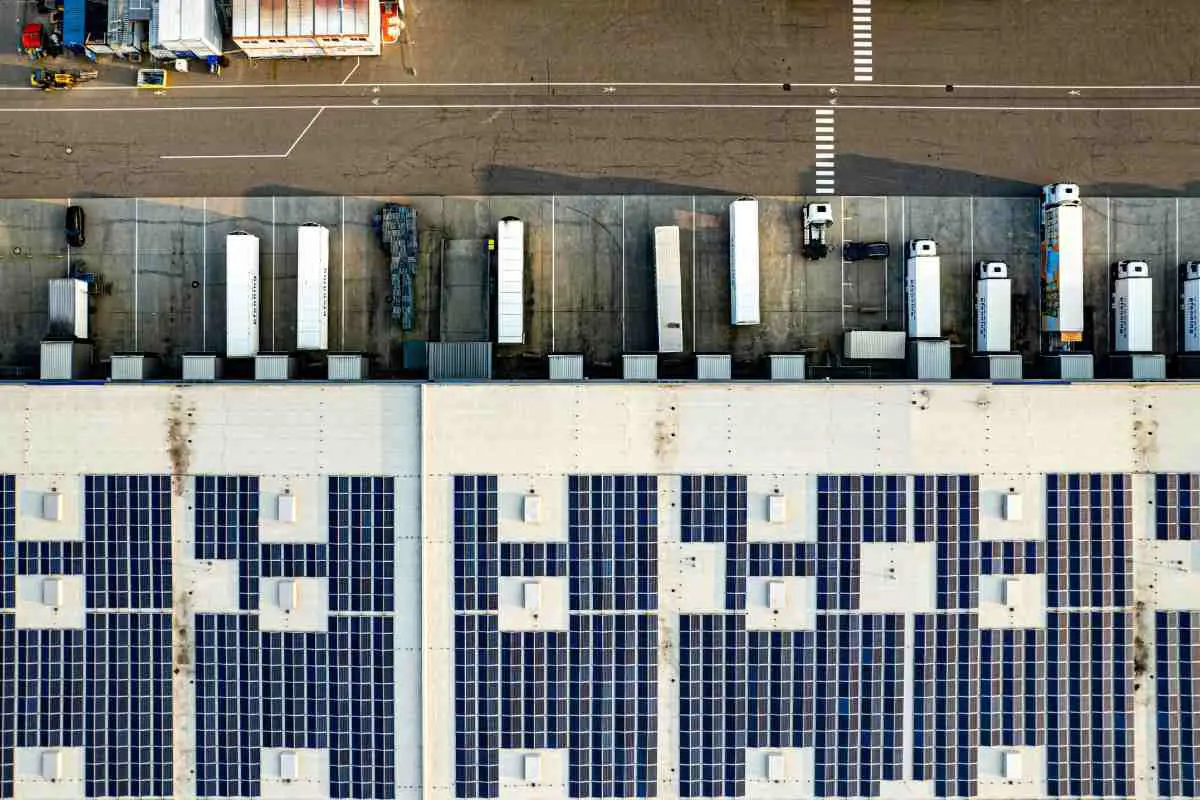
Solar energy starts cutting emissions the moment it begins generating electricity, replacing the need for fossil fuels. Once installed, solar systems immediately contribute to reducing carbon footprints.
How Solar Power Reduces Carbon
Solar panels work by converting sunlight directly into electricity - without releasing carbon emissions during operation. When connected to the grid, this clean energy reduces the demand for electricity from fossil fuel sources, which is especially impactful in areas heavily reliant on coal or gas.
While manufacturing and installing solar panels do create emissions initially, these are typically balanced out within a few years of operation. From that point forward, the system continues to deliver clean energy, amplifying its environmental benefits over time.
Benefits of Solar Energy Projects
Solar energy projects provide clear, measurable carbon reductions as soon as they start producing electricity. Large-scale solar farms generate significant amounts of clean power, making their positive impact both predictable and quantifiable. Another advantage is how quickly solar installations can be set up, which is critical for scaling up carbon reduction efforts.
Beyond environmental gains, these projects also boost local economies by creating jobs in manufacturing, installation, and maintenance. There's also a growing interest in agrivoltaics, where solar panels are integrated with agricultural activities, allowing land to serve dual purposes - energy generation and crop production. However, these benefits come with challenges that need to be addressed.
Solar Energy Limitations
While solar energy has many advantages, it also faces particular challenges. Solar panels rely on sunlight, so their output drops on cloudy days and stops entirely at night, necessitating backup systems or energy storage solutions. Large-scale installations require significant land, which can lead to land-use conflicts, especially in densely populated areas.
Innovative approaches like rooftop solar systems or floating solar farms can help address these space concerns. Another consideration is the energy-intensive manufacturing process for solar panels, which involves some hazardous materials.
However, these environmental costs are generally outweighed by the panels' long-term benefits. Still, ongoing maintenance and the eventual replacement of components are important factors to plan for in any solar project.

Tree Planting vs Solar Energy Comparison
Performance Comparison Table
Here's a side-by-side look at how tree planting and solar energy stack up:
|
Factor |
Tree Planting |
Solar Energy |
|
CO₂ Offset Efficiency |
Gradually absorbs carbon as forests mature |
Produces renewable energy, offsetting carbon immediately |
|
Time to Impact |
Takes years for noticeable carbon benefits |
Carbon reductions start as soon as the system is operational |
|
Peak Performance |
Improves over time as ecosystems flourish |
Provides steady performance during its operational lifespan |
|
Land Efficiency |
Requires substantial land to match carbon offset levels |
Achieves higher carbon reduction in smaller areas |
|
Additional Benefits |
Boosts biodiversity, enriches soil, and supports water cycles |
Supplies clean energy, reduces reliance on fossil fuels, and can create local jobs |
|
Primary Risks |
Vulnerable to fires, pests, and droughts |
Dependent on the weather and requires regular maintenance |
|
Lifespan Considerations |
Can sequester carbon for decades with proper forest management |
Performance declines over time, requiring upgrades or replacements |
This table highlights the strengths and challenges of both approaches.
What the Comparison Shows
Solar energy stands out for its ability to deliver immediate and large-scale carbon reductions. On the other hand, tree planting is a slower process, with benefits that grow alongside the forests themselves. However, trees bring additional perks, like creating habitats for wildlife and improving air quality.
Each method comes with its own risks. Solar systems rely on favourable weather and need maintenance, while tree planting faces threats like wildfires and drought. Solar technology also tends to have higher upfront costs but quicker returns compared to the long-term commitment of tree planting.
For those looking to offset their travel emissions effectively, a combination of both approaches might be the best strategy. Solar energy provides an immediate impact, while tree planting ensures lasting benefits for the environment. Together, they offer a balanced and impactful solution.

How to Choose the Right Offset
What to Look for in Offset Projects
Selecting the right carbon offset project is all about focusing on quality. It's less about matching your emissions source to a specific project type and more about ensuring the offset delivers real, measurable climate benefits. For instance, if you're offsetting emissions from a flight, it's not necessary to link it to an aviation-related project - what matters is the overall quality of the initiative and its effectiveness in reducing or removing CO₂ emissions.
Here are the key factors to consider when evaluating offset projects:
-
Third-party verification: Look for projects certified by trusted organisations like Gold Standard or VCS. These certifications ensure the project's CO₂ removal claims are credible and reliable.
-
Additionality: The funding you provide should enable actions that wouldn’t happen otherwise. This ensures your contribution is making a genuine difference.
-
Permanence: Consider how long the project can maintain its carbon impact. Renewable energy projects deliver ongoing clean power, while managed forests sequester carbon for decades. Safeguards against risks like deforestation or project failure are crucial.
-
Co-benefits: Some projects go beyond carbon reduction by supporting local communities, creating jobs, or protecting biodiversity. These added benefits can amplify the positive impact of your offset.
-
Progress tracking and reporting: Choose providers that offer transparent and measurable updates. For example, reforestation projects might use satellite imagery to show progress, while renewable energy projects can provide data on energy generation. Avoid projects that make vague promises without clear evidence of progress.
Timing is another critical consideration. For example, a round-trip economy flight emits about 1.5 metric tonnes of CO₂. Offsetting this could involve growing 25 tree seedlings for 10 years or protecting 0.9 hectares of forest for one year. To put it in perspective, this is roughly equivalent to avoiding the burning of 756 kilograms of coal or 556 litres of diesel.
Exploreo's Offset Methods
Exploreo takes a well-rounded approach to carbon offsets, combining various high-quality projects to deliver both immediate and long-term climate benefits. By diversifying its portfolio, Exploreo ensures that offset contributions are impactful across multiple dimensions.
-
Tree planting initiatives: Exploreo partners with organisations like Ecologi to support reforestation efforts. These projects focus on planting native species in areas where forests can naturally thrive, creating long-term carbon storage while restoring ecosystems and benefiting local communities.
-
Renewable energy investments: To achieve immediate carbon reductions, Exploreo supports solar, wind, and other clean energy projects. These initiatives replace fossil fuel–based power generation, accelerating the shift to renewable energy and cutting emissions from day one.
-
Forest protection programmes: Protecting existing forests is often more cost-effective than planting new ones. These projects safeguard established carbon sinks and preserve biodiversity in areas at risk of deforestation.
-
Methane capture projects: Methane is a potent greenhouse gas, with a warming potential 25 times greater than CO₂ over 100 years. Exploreo supports projects that capture methane from landfills, farms, and industrial sites, delivering significant climate benefits for every euro invested.
This balanced strategy combines the immediate impact of renewable energy and methane capture with the long-term benefits of tree planting and forest protection. By addressing the limitations of individual project types, Exploreo ensures that offset contributions deliver meaningful results for both the climate and local communities.
Here at Exploreo, we also provide transparent updates on all supported projects, including carbon reduction data, project photos, and stories of community impact, so that contributors can see the tangible outcomes of their efforts.
Conclusion: Effective Carbon Offsetting
Choosing between tree planting and solar energy for carbon offsets isn’t about picking sides - it’s about combining strengths. These two approaches complement one another, offering a balanced strategy for tackling climate change. Solar energy delivers immediate carbon reductions by replacing fossil fuel-based power, while tree planting ensures long-term carbon storage and helps restore ecosystems.
The most effective offsetting strategy blends the fast-acting benefits of solar energy with the enduring impact of tree planting. Solar projects are perfect for addressing urgent climate needs, as they provide measurable and immediate emission reductions. On the other hand, tree planting secures carbon for decades, while also supporting biodiversity and benefiting local communities.
When it comes to choosing offsets, travellers should focus on projects that are rigorously verified and deliver real, lasting results. High-quality offsets prioritise verified, additional, and permanent impacts over simply being cost-effective. A well-rounded offset portfolio should include both short-term solutions, like renewable energy projects, and long-term efforts, such as reforestation.
Exploreo offers a great example of this approach by combining tree planting initiatives with partners like Ecologi, renewable energy investments, and other impactful carbon removal projects. This diversified strategy not only offsets travel emissions right away but also contributes to the planet’s long-term recovery.
The future of carbon offsetting lies in integrated solutions that draw on the strengths of different project types. By supporting both solar energy and tree planting, travellers can play a role in immediate climate action while helping to build healthier, more resilient ecosystems for the future.