


Why Estonia should be your next wellness destination this winter
Many people think of Finland when it comes to sauna culture, as it is globally associated with saunas, especially in winter. However, Estonia is an up-and-coming wellness destination in Europe, with deep-rooted sauna and bathhouse traditions, and it deserves a spot on your winter bucket list. Located in the Baltic, it shares many cultural similarities with its neighbour Finland, but it also offers a fusion of cultural traditions and wellness routines shaped by its varied past and its connection to nature. If you are looking for a quieter destination that draws fewer crowds, Estonia is the place for you.
Sauna culture in Estonia's enchanted woods
Estonian traditions bring people close to nature, which is what makes sauna culture special. Saunas have been used for more than 200 years as medicinal baths and as part of everyday health routines. Throughout history, they have served many purposes, including as birthing rooms, since they tended to be the cleanest room in the house; they were also used to cure sickness and as bathhouses. Now saunas are mostly used for cleansing and wellness, but they remain part of everyday Estonian culture. They are considered social spaces where families gather to talk, or friends share the evening discussing all sorts of topics.
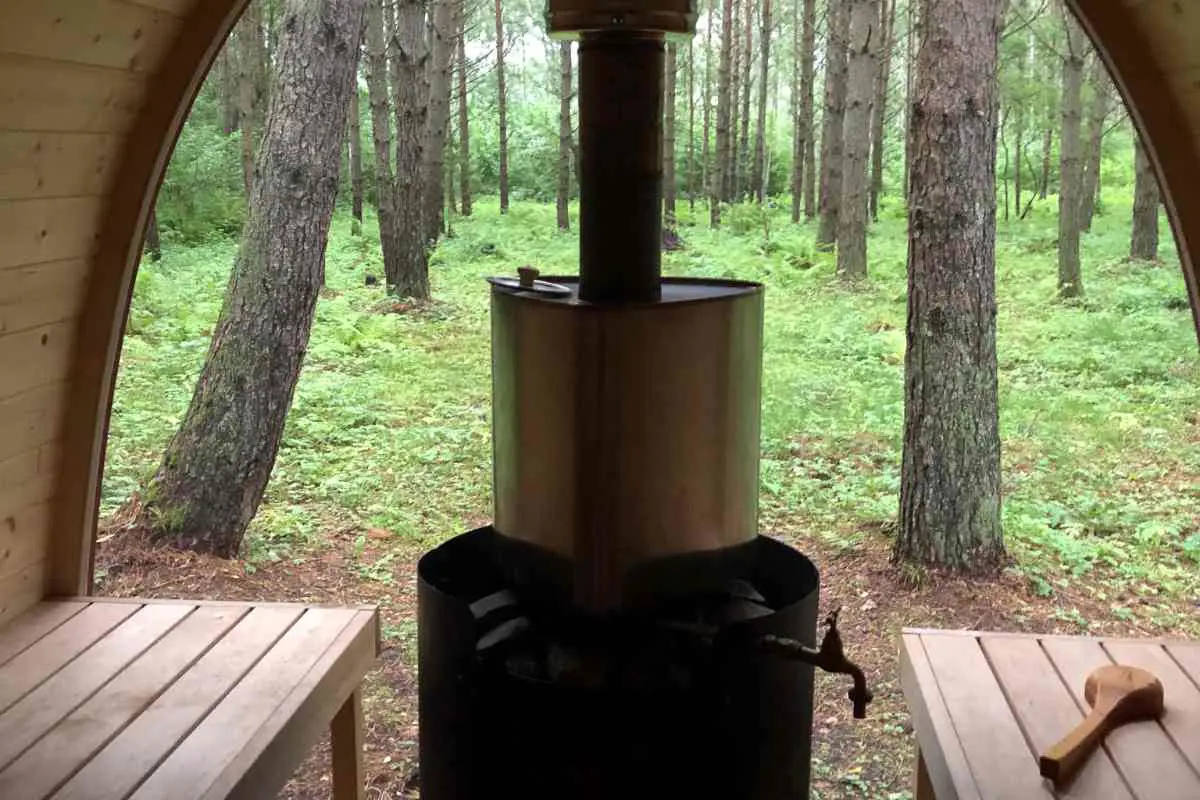
Where you go will change the experience, but you'll still enjoy yourself. Whether you choose to sauna in the capital, Tallinn, or visit a smaller village where you feel closer to nature, the experience is unique to the location. Sauna culture is a big part of Estonian life, and you will find that many places you stay will have a sauna, and this is especially magical when you stay in a rural region in the heart of the forest. Several cabins sit deep in nature or along the calm coastline, offering visitors a unique place to unwind. Staying in the Estonian woodlands offers a more tranquil wellness setting, and you can sometimes enjoy it with a dip in the sea or a frozen lake in winter.
What makes Estonia different from Finland?
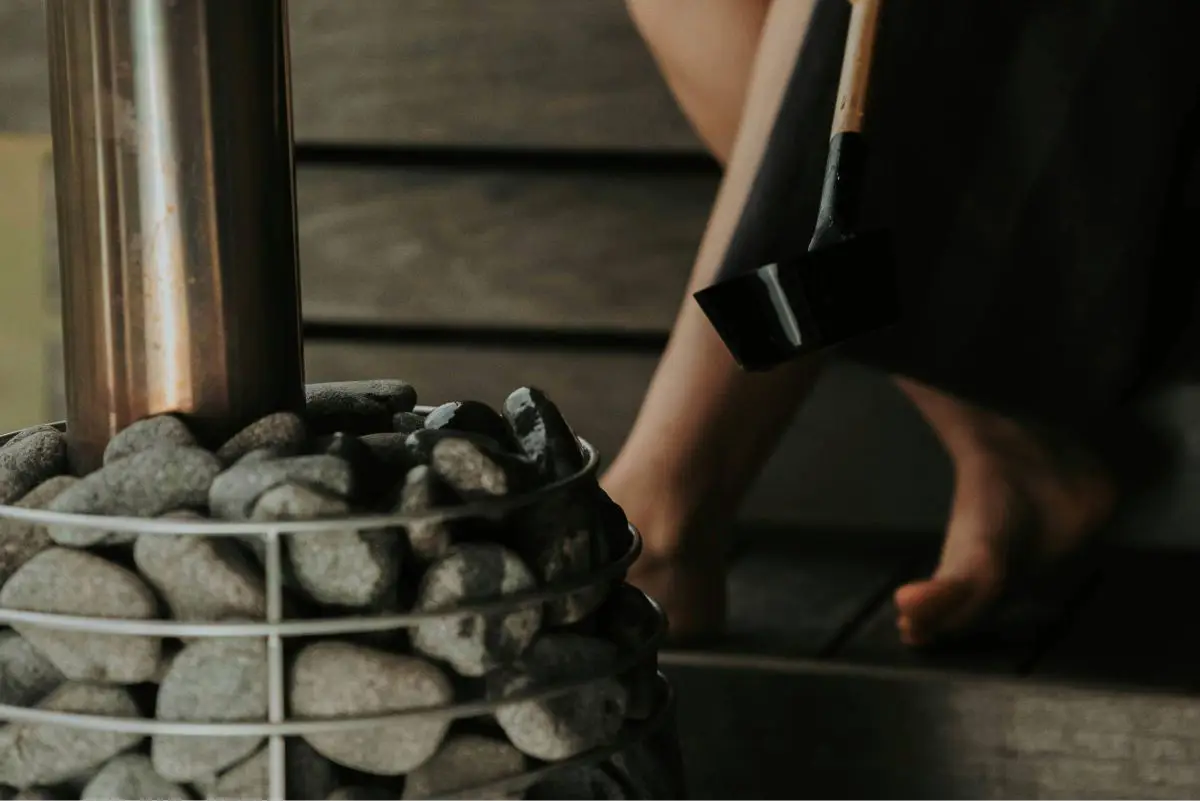
While Estonia and Finland share many similarities in sauna culture, each country has unique elements that define its traditions. Both countries believe the sauna is about more than just getting warm. It is a place for relaxation, socialising, connecting with nature and cleansing. A key difference in Estonian culture is the smoke sauna, which is a UNESCO-recognised tradition. The big difference between a smoke sauna and a traditional sauna is that there is no chimney, so the smoke from the burning wood circulates in the room. People also use a birch whisk as part of the cleansing ritual. People usually dip them in water, then whisk them across the body in the sauna to stimulate the skin. This tradition goes back to Estonian folk culture and the nation's connection to the natural World.
While Finland is known for saunas and wellness retreats, Estonia offers just as great experiences but without the crowds. As an up-and-coming destination, Estonia is quietly becoming a European tourism hub, and sauna culture attracts many visitors every year.
How to plan a trip to Estonia in winter
The best time for sauna experiences is in winter, especially when it's snowing. However, you can still enjoy a sauna year-round, and you won't be disappointed visiting in summer, too. Planning a winter trip can be challenging because of subzero temperatures and snowfall, but it creates a magical setting when you are sitting in a small, remote cabin, warm by the fire.
Getting there
Start in Tallinn, the capital, which has many flights to international destinations. From Tallinn, you can easily reach a woodland sauna as part of a cabin stay within an hour's drive, but if you want to go deeper into the forest, that is also possible by renting a car. Tallinn's transportation is excellent, with taxis and public transport. This makes getting around easy and keeps your journey simple.
Where to stay
Choosing where to stay in a new country can be challenging, but several options can help you decide where to stay in Estonia. If you don't want to travel too far from the capital, there are plenty of places you can stay in Tallinn to experience sauna culture. For example, you could rent a home in the old town, an Airbnb or stay in a hotel and still visit one of the sauna locations in the city.
If you are looking for a rustic cabin experience, a variety of cabins are designed for community use. They aren't fancy, but they are fantastic for groups that just want to enjoy being a master in nature. Many homes are also available for rent and include their own saunas. Several wellness hotels across Estonia also offer Spa facilities and are a fantastic option if you are celebrating a special anniversary or looking for an upmarket getaway.
From my experience, I have really enjoyed visiting and staying in cabins around the Peraküla area, a 1- 2-hour drive west of Tallinn, and on the island of Hiiumaa, as the cabins here offer a tranquil, remote setting. During the winter months, they may be challenging to get to due to heavy snowfall, but once you are there, it really feels like you are in a true winter wonderland.
When to visit
Winter in Estonia can vary greatly, so the best time to visit depends on what you want to experience. In December, it may start to snow, but temperatures won't be quite as low yet; as you move further into winter, February brings subzero temperatures, parts of the sea freeze, and ice roads open. This can also add to your adventure and create a wonderful setting for an excursion, but it also brings transport challenges. Summer months offer warmer temperatures, which means you can comfortably move from the sauna to swimming in Estonia's bogs, lakes and sea.
Best wellness locations
If you want a quick getaway and prefer to stay in Tallinn, then a visit to the Iglupark will tick all the wellness boxes. With cute private saunas and sea access for a cooling dip, it is a great place to get a taste of Estonian sauna culture, without going too far. Logi Saun is another option in Tallinn for a more rustic experience of a public wood-fired sauna by the sea.
A little farther from the city is Vihula Manor Country Club and Spa, where visitors can enjoy a luxurious stay surrounded by nature. Pretty much any home rental, cabin, or cottage will have its own sauna, and some Airbnbs and homes even include one.
There are several creative sauna experiences across the country, from a sauna boat in Tallinn's harbour to a tree house sauna as well as a sauna marathon! Discover more creative ways to sauna through the Estonian tourism board.
Why should you go to Estonia?
If you want a well-known, traditional sauna experience, Estonia could be a good option to avoid crowds and overtourism. You will be immersed in Estonia's magical woodlands while enjoying traditional bathing culture, cuisine, and more. As an up-and-coming destination, it offers an authentic experience that brings you close to nature and traditional culture.
Travelling sustainably doesn't have to be expensive. Choosing trains or coaches instead of flights, staying in locally owned accommodation, travelling during the off-season, using public transport, carrying reusable water bottles and shopping bags, and eating at local restaurants can often save money while reducing your carbon footprint.
Sustainable tourism involves travelling in ways that minimise environmental impact while supporting local communities and preserving cultural heritage. This includes choosing eco-friendly accommodation, reducing waste, respecting wildlife, using public transport, supporting local businesses, conserving water and energy, and following responsible travel guidelines at your destination.
In many cases, driving can produce fewer emissions than flying, particularly if you're travelling with several passengers in one vehicle. However, trains are often the most environmentally friendly option for short and medium-distance journeys. Whenever possible, compare transport options before booking to find the most sustainable choice.
Walking and cycling are the most environmentally friendly ways to travel because they produce virtually no carbon emissions. For longer journeys, trains are generally the most sustainable option, followed by coaches and buses. If flying is unavoidable, choose direct flights, fly economy, and consider offsetting your emissions through certified carbon offset programmes.
You can calculate your travel carbon footprint using online carbon footprint calculators. These tools estimate your emissions based on factors such as your mode of transport, travel distance, accommodation, and activities. Many calculators also allow you to compare different travel options, helping you make more sustainable choices before you book.
The first step to tackling emissions that can't be fully avoided is to cut down as much as possible by making thoughtful choices, such as opting for low-carbon transport options or staying in environmentally friendly accommodation. Once you have reduced your emissions as much as possible, you can offset the remaining amount by contributing to initiatives such as reforestation efforts or renewable energy projects.
For offsets to make a real difference, they must be additional, permanent and properly verified. This ensures they contribute to real, measurable change. Exploreo plays a part in this by planting trees and supporting projects that curb emissions and benefit local communities.
Focus on third-party-verified certifications rather than marketing claims, which are often unclear or exaggerated. Look for seals from reputable, independent organisations that thoroughly assess environmental practices. Be wary of generic terms such as 'eco-friendly' unless they are backed by proper certification. Specific labels or standards can confirm that the hotel adheres to recognised sustainability benchmarks.