


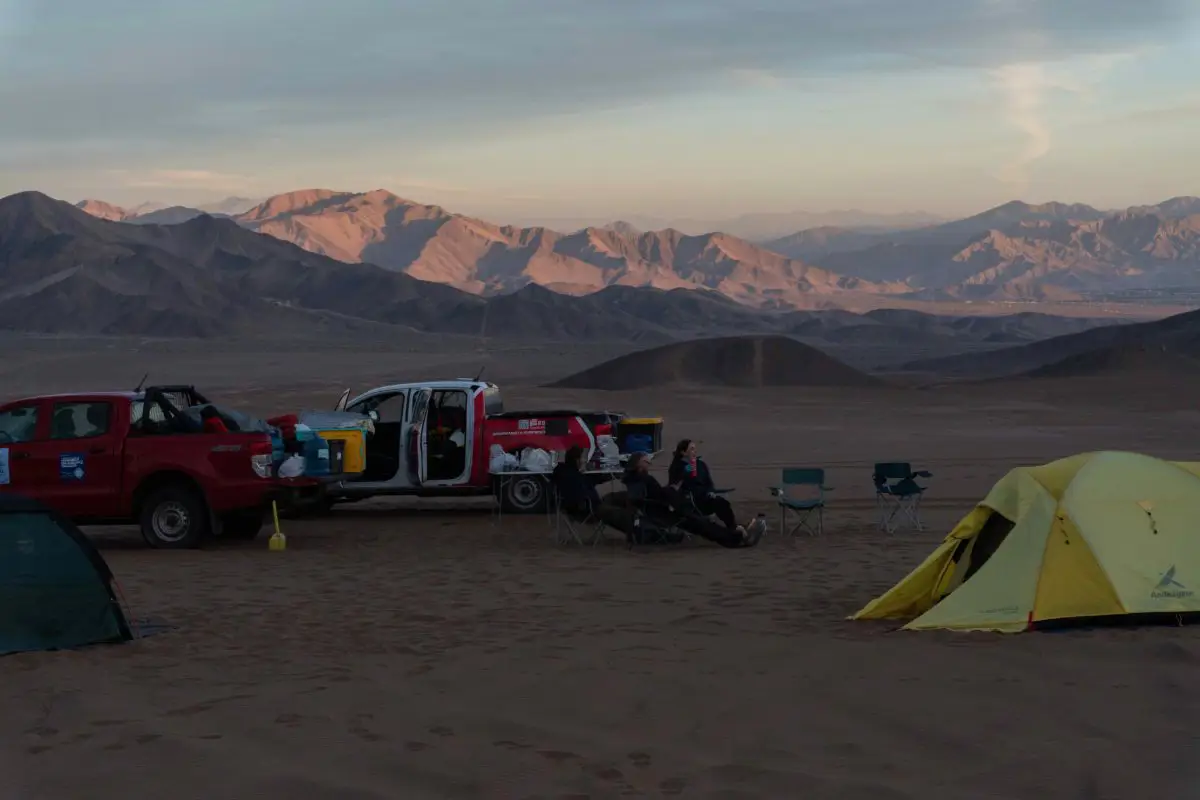
The sky turned pink as the sun set behind the dust-covered horizon of the desert in Copiapó, Chile. Although it was a calm moment, I could feel myself turn a little anxious but excited as butterflies began to flutter in my stomach. The next day, we would be heading out into the Atacama desert, following tracks for the next 5 days until we would reach the next town, San Pedro de Atacama. Just us and our supplies, we would have no idea if we would encounter another human on our route. Our objective was to determine if we could successfully have an enjoyable off-road experience using biofuel in our vehicles and solar power to charge our equipment. What could possibly go wrong?
The Expedition Outline
The idea behind the Into Clean Air expedition was to see if it is possible to conduct an off-road adventure while being carbon-conscious. Now, this was not a zero-emissions trip, as we had to fly the team out there; however, the hope is that it will highlight possibilities for reducing carbon emissions when overlanding and spark conversation within the scientific community about data collection and how it can be gathered in a more carbon-conscious manner. It is also an opportunity to show the overland community what can be done as a simple measure to help reduce your impact.
Conducting this test in some of the world's harshest environments, it demonstrates that even in the most challenging conditions, it is still possible to reduce your carbon footprint and use alternative fuel sources effectively.
The expedition also focused on exploring alternative fuel sources and the efforts being made in South America to combat climate change by producing biofuels. As a continent rich in natural resources, this part of the world is paving the way for the production of biofuels.
On The Road
We used 2023 Ford Rangers for our experiment; one served as our test vehicle, and the other as the control. The aim was to test different percentages of biofuel blended with diesel and record the performance at various altitudes and temperatures to determine if it could work as efficiently as using 100% fossil fuels.
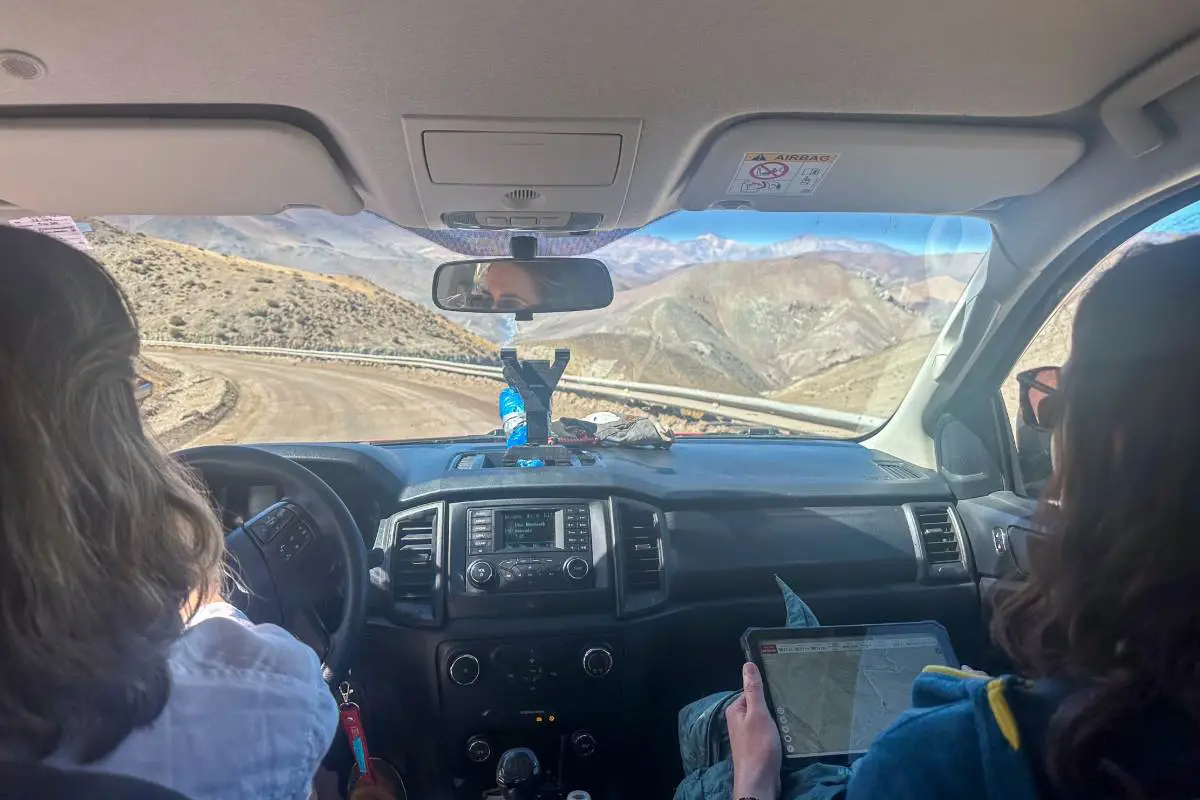
Alongside the biofuel, we were supplied with two solar panels, which we planned to use to power our equipment, such as cameras, phones, and navigational devices.
The team spent around a week in Santiago, gearing up and getting ready to hit the road. We ensured we had all the necessary supplies to sustain ourselves in the wilderness. Our first leg would last around 5 days before we reached the next village, so we needed to calculate the water and food requirements for this period.
As we left Copiapó, the landscape changed from a built-up city to dust tracks and dirt roads. Buildings became few, and wildlife took over. The vast mountain ranges went far into the distance, with a volcano on every corner. We planned our route using road maps, Google Earth and a few apps to help us navigate pre-defined tracks.
There was, however, a risk that these tracks could have disappeared from roads being washed out or other unforeseen changes in the landscape. But for us, this was part of the adventure.
Our route took us through Chile, into Bolivia and then back into Northern Chile, where we would start our slow drive back down to Copiapó. All in all, we had three weeks to cover over 3,000 kilometres, which was an enormous task, given that our driving was almost entirely off-road.
Using Recycled Cooking Oil as Fuel
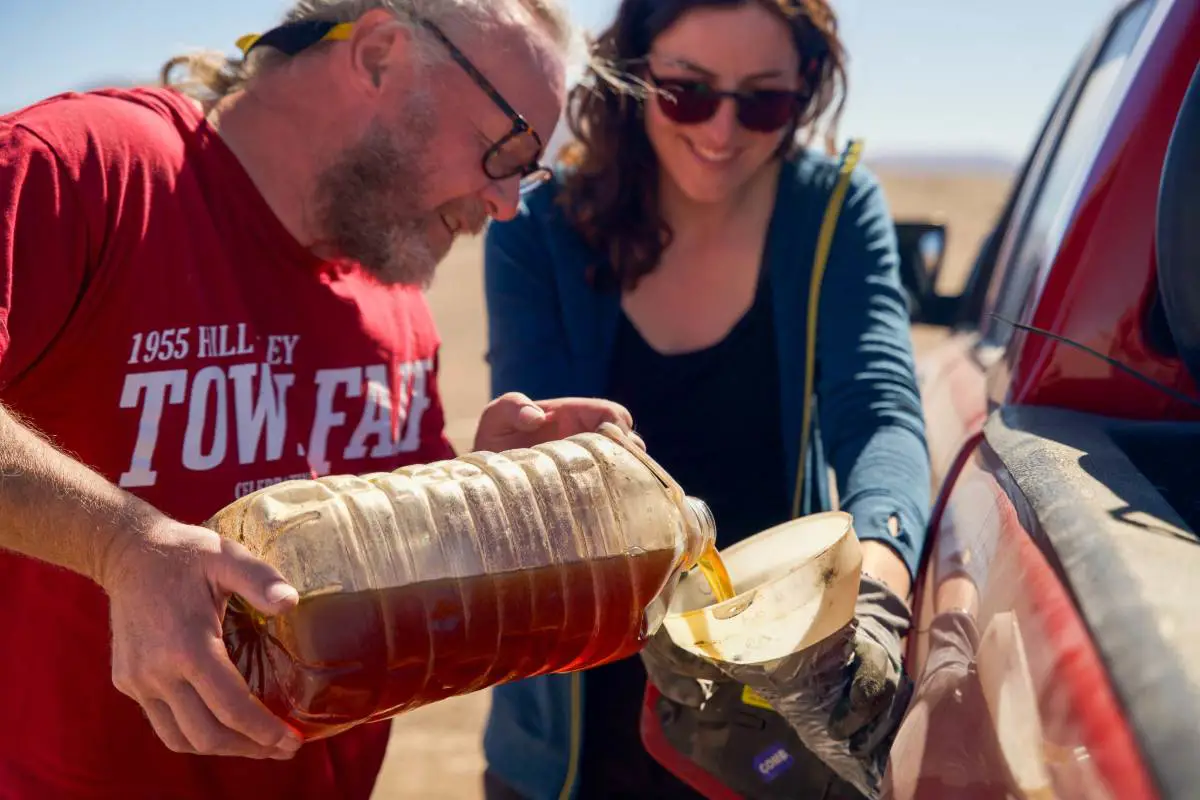
We began with recycled cooking oil, donated to us by Rodolfo Rada, an environmental advocate in Chile. Rodolfo converted his camper van to run 100% on recycled cooking oil, so if he can do it, then why can't we all? Read more about Rodolfo's project called the “Educamper” to find out why it isn’t so simple.
Our initial mix was 7.5% recycled cooking oil to diesel, and we tested this amount up to an altitude of around 4,500 meters. The lower oxygen levels and dropping temperatures were good stresses to see if the cars would perform as efficiently as when using 100% diesel. Initially, there were no observations that suggested it wouldn’t work.
The altitude certainly took a toll on us and the vehicles as we did not allow much time for acclimatisation, but we pushed on through. The days were long, covering around 50 kilometres per day, with driving times of up to 8 hours at a time. However, our reward was the natural environment in which we were.
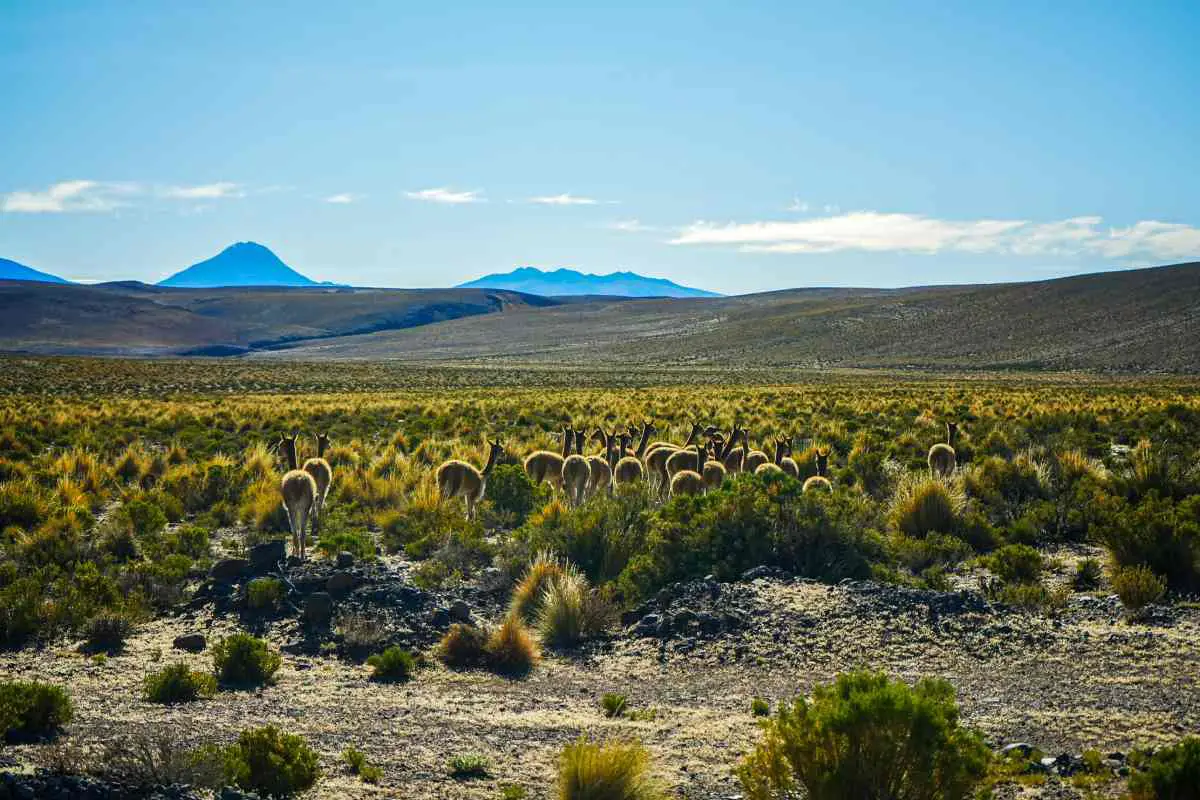
As we left the main roads, we were able to reach remote areas of the Atacama that are rarely traversed by tourists and often forgotten. Wildlife thrived in these areas, from flamingos paddling in the crystal-clear salt lakes to vicunas bounding across the volcanic landscape.
It was a wonderful experience, and with the correct permissions, we were permitted to cross this desolate area along the border between Chile and Argentina.
There were no significant changes in performance, so we decided to up our percentage to almost a 9% mix of cooking oil to diesel. Despite temperatures dropping to -15 degrees C, the engines fired up immediately, and fuel consumption between the test and control vehicles was relatively the same.
Bolivia's Alternative Biofuel
After a week of navigating through Chile, we arrived at the Bolivian border. We made our way to Uyuni, where we met with Chris, a representative from the British embassy, who provided us with some of Bolivia's biofuel to test. The Bolivian government is already producing BD20, a synthetic diesel blend with pure diesel, and we were kindly donated some by the British Embassy in Bolivia to test.
The synthetic diesel is made from micro-algae and soy, which is then processed to produce artificial diesel. This mixture is then combined with diesel, resulting in a biodiesel-to-diesel ratio of 20:80. This standard fuel is sold to the public across Bolivia, demonstrating that when manufactured correctly, a 20% bio component can be effectively mixed with diesel.
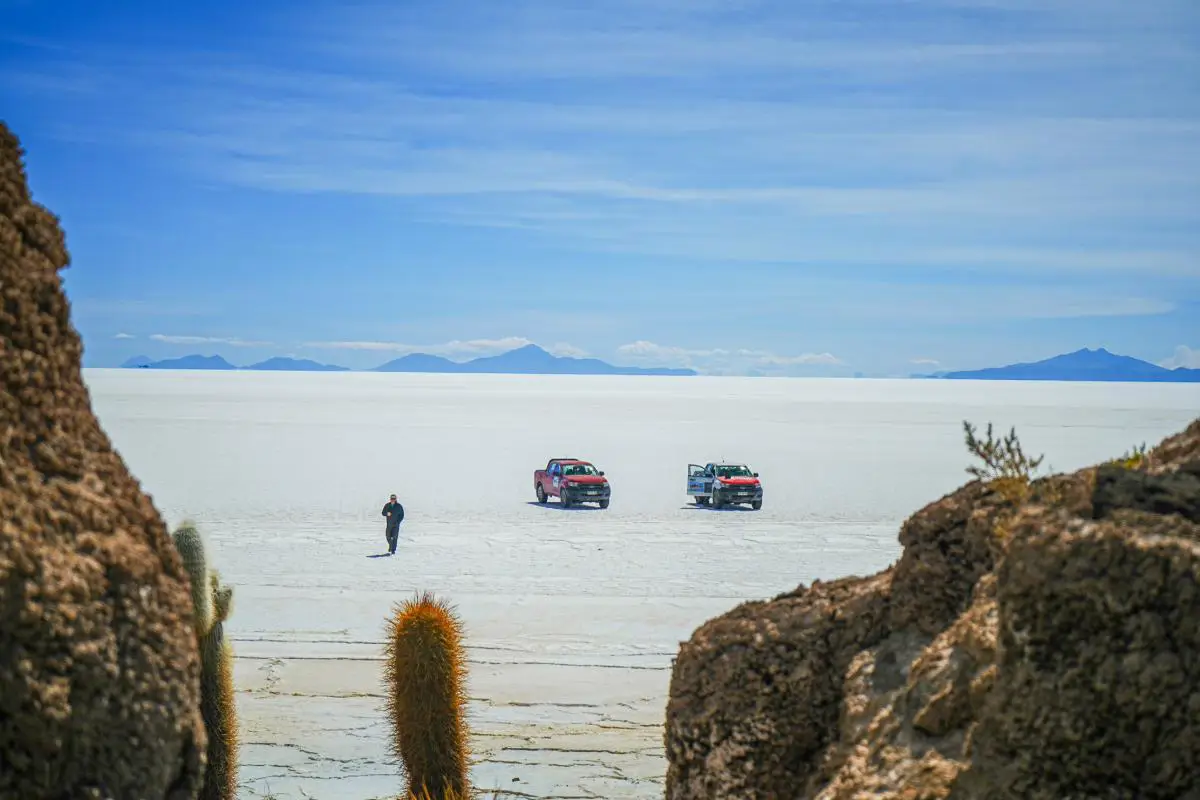
Once we had picked up the fuel, we filled our tanks and headed to the Salar de Uyuni—the world's largest salt flat. Driving at over 3,500 meters across a white desert can be tiring on the eyes, and it felt like we drove for miles before seeing anything that stood out from the empty horizon.
Halfway across, we found an island, covered in cacti, which made for a nice stop for us and the cars. The cars were covered in salt, and even the engines had a light white crust, but this didn't impact their efficiency. After a short break, we continued to the other side, where we found a suitable campsite in the crater of a dormant volcano.
We were almost halfway through our journey, and despite pushing these cars to the limits, we didn't see any negative impact of using alternative fuels.
Why Should I Consider Using Biofuels?
The outcome of our experiment showed that it is still possible to have a successful off-road adventure in remote and challenging landscapes when using carbon-conscious methods.
Using biofuels can reduce your emissions, although it does not make your vehicle zero-emissions, it does lower the amount of carbon produced. Using a substance that has already served its purpose is a great way of recycling.
Not only does using recycled cooking oil reduce the amount of fossil fuels you use, but it also reuses an item that is often not properly disposed of, which can, in turn, pollute water systems.
Is There a Future For Biofuels?
Biofuels still have a long way to go in terms of production to be used both commercially and by the public. However, it was interesting to see that many countries in South America are investing significantly in making this a viable fuel source.
All Good Journeys Come to an End
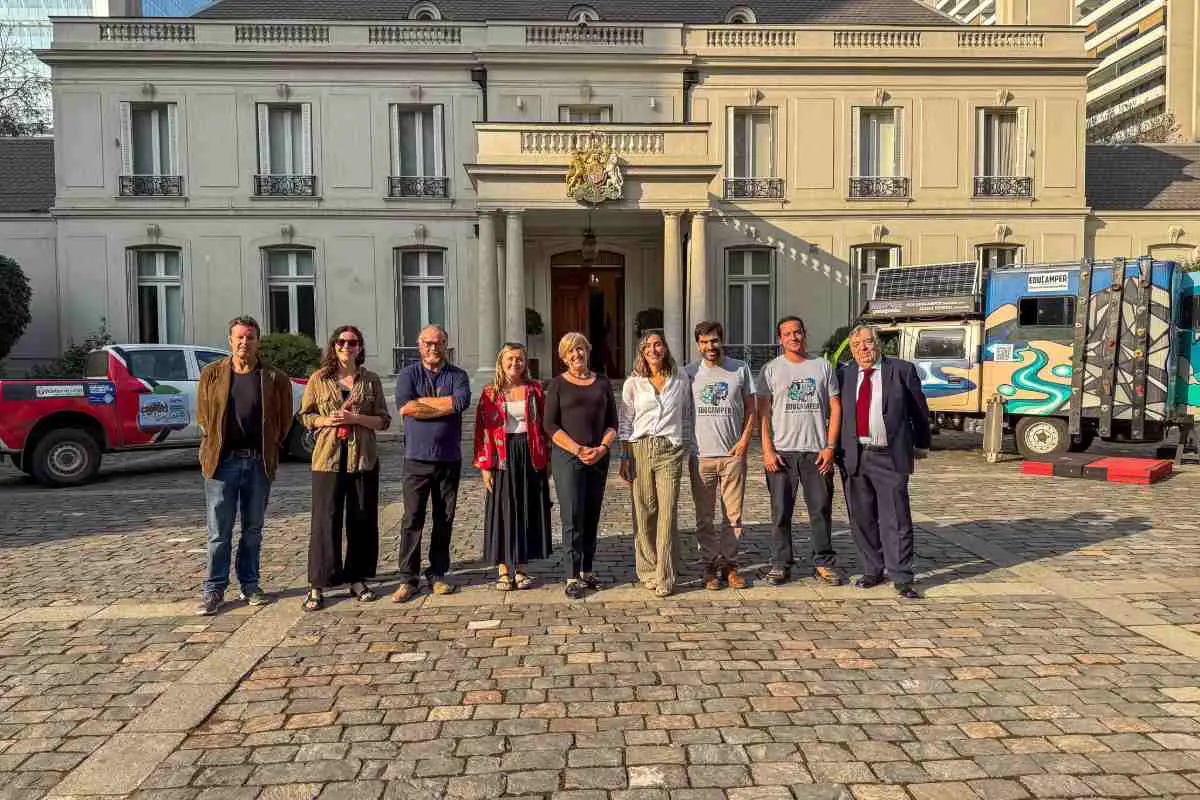
Upon our return to Santiago, we were warmly welcomed by the British Embassy in Chile for a reception, where various representatives in climate action, sustainability, and the environment came to hear about our journey.
Proving that it is possible to reuse cooking oil in a standard diesel vehicle in some of the most challenging environments can inspire others to make a change in their next off-road adventure. From scientists to off-road enthusiasts, we want to influence the future of biofuel use and production.