


The Benefits of Off-Season Travel in Europe
Travelling during the off-season offers more than just smaller crowds. It creates opportunities for meaningful connections and a more relaxed experience. With fewer tourists around, you're more likely to enjoy authentic interactions with locals and have easier access to attractions. Cities such as Vienna, Copenhagen, Prague and Rome are just some examples of cities that are lively year-round, making them perfect for off-season visits.
The key to maximising the benefits of off-season travel lies in choosing the right time to travel.
How to identify the off-season
In Austria, for example, the off-season usually occurs in early November and mid-March. Across Europe, the off-season generally runs from October to March, particularly in coastal regions where tourism slows considerably outside August. However, major capital cities often experience steady tourism year-round.
When planning your trip, it's important to check transport schedules and consider factors that could be affected by the season, such as where you go and what you do. For instance, public transport and boat trips may be available in peak seasons, but may not operate in winter in some countries due to freezing temperatures.
Bear in mind that daylight hours are shorter during this period, usually ranging from 08:00 to 16:30, depending on your location in Europe. As well as the weather, seasonal events such as Christmas and New Year could influence where and when you visit, as these are generally busier times of year. Being aware of these details can help you align your trip with your low-impact travel goals and avoid unnecessary disruptions.
Tips for more environmentally-friendly travel
Choosing eco-friendly destinations
Opting for eco-friendly destinations helps reduce carbon footprints while supporting local economies, which is a great option for an off-season trip. For travellers in Europe, choosing locations that can be reached by train is an excellent way to avoid flying and reduce emissions. Many regions that embrace eco tourism focus on preserving nature and maintaining low-impact infrastructure, making them perfect for sustainable travel.
Another smart move is to look for areas focusing on seasonal local produce. These destinations prioritise local supply chains, creating authentic connections between visitors and producers. This enhances your travel experience and ensures that your spending directly benefits the local community.
Check for transport incentives
Many countries in Europe offer tourist cards that include discounts on public transport when you book accommodation with participating partners, and this can sometimes include free transport around the city. Opting for local public transport reduces environmental impact and saves you money. Before finalising your plans, check if your destination offers such schemes as they're becoming increasingly common in areas committed to sustainable tourism.
Below are some fantastic, low-impact travel destinations in Europe that adhere to these principles.
Destinations in Europe for low-impact travel
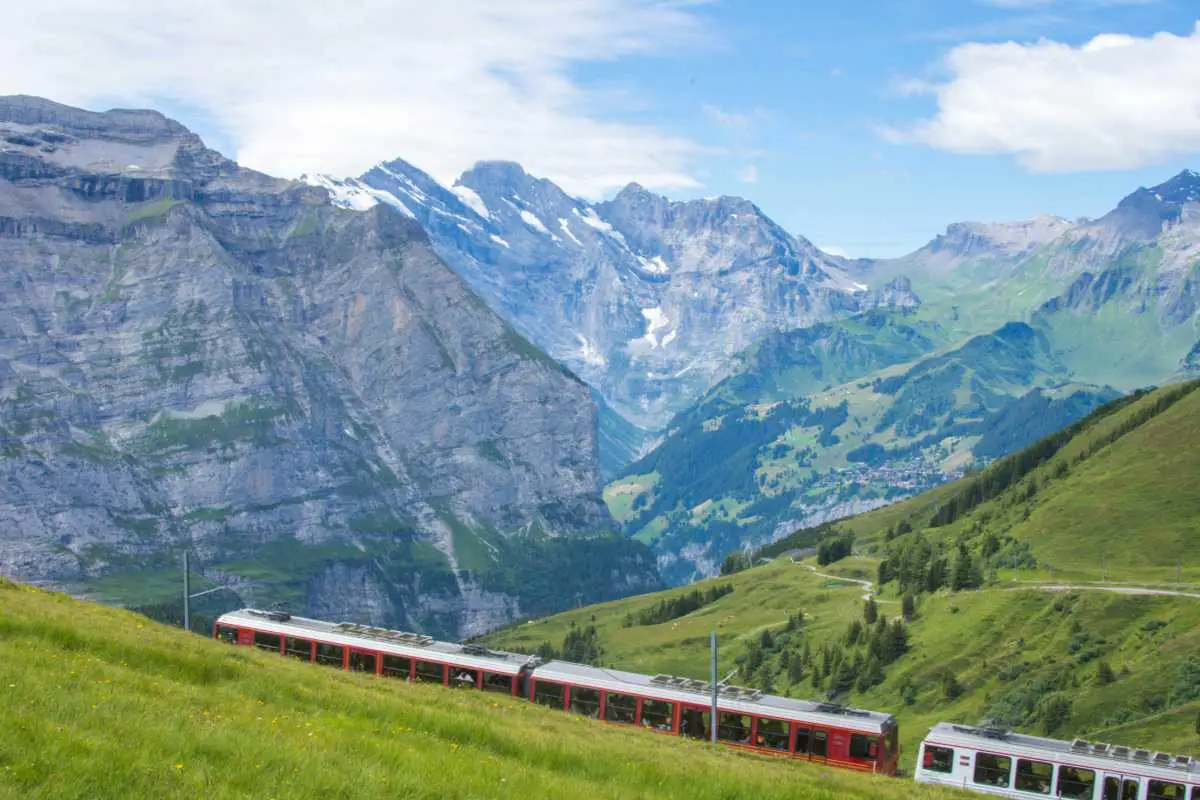
Mallnitz in Carinthia is an excellent choice for car-free alpine holidays. Situated on the Tauern Railway between Salzburg and Villach, it is easily accessible by public transport. It is also a gateway to the Hohe Tauern National Park, the largest in the Alpine region, spanning 1,856 square kilometres. The park boasts more than 266 peaks over 3,000 metres. Rather than promoting traditional skiing infrastructure, the area offers "soft winter tourism", featuring ranger-led snowshoeing and wildlife observation tours.
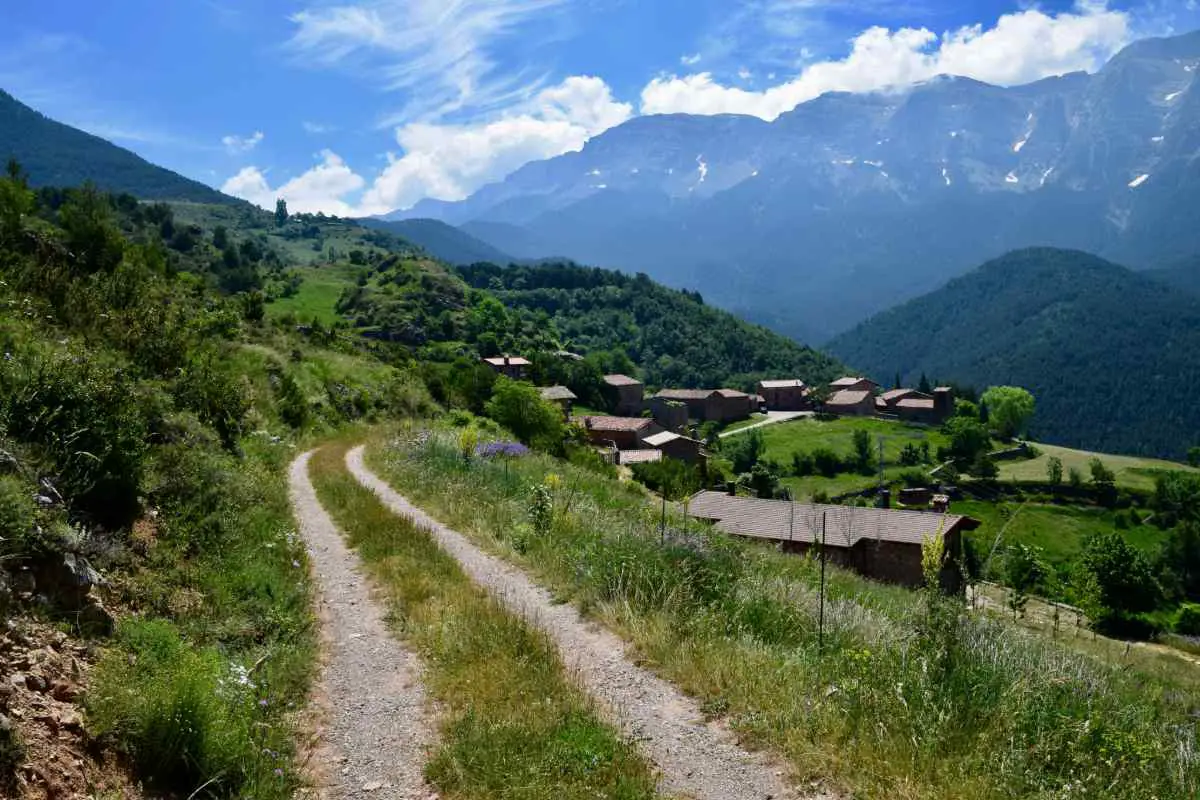
For a local food experience, Navarre, in northern Spain, is a popular destination for agrotourism, offering visitors the chance to experience rural life, local traditions, and beautiful natural landscapes. From the Pyrenees to fertile valleys and vineyards, the region offers scenic routes tied to agriculture and food production. Tourists can visit sheep farms, traditional farmhouses, cheese factories, wineries, and olive oil museums while learning about local farming practices. Navarre is also known for its truffle heritage and interpretation centres, giving visitors an authentic insight into the region's culture, gastronomy, and countryside lifestyle.
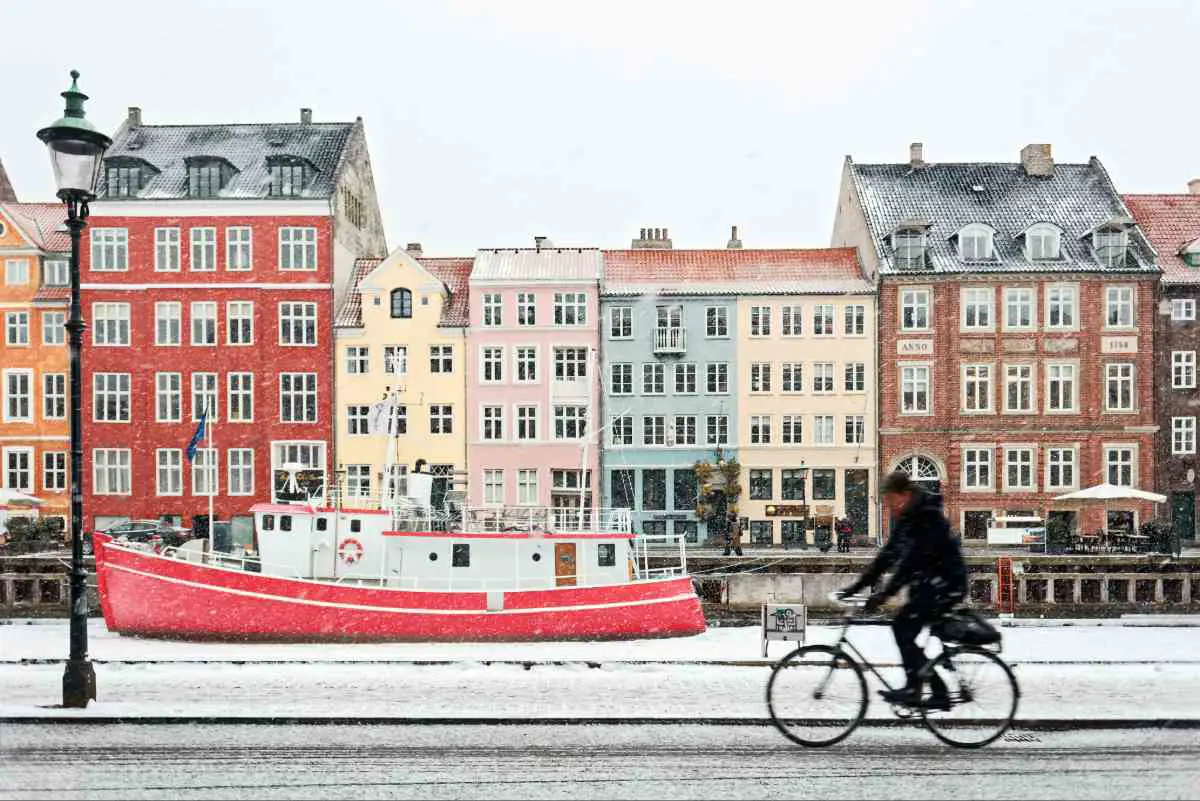
Copenhagen is an attractive off-season destination during winter, offering cosy experiences and cultural activities away from peak tourist crowds. Visitors can explore festive Christmas markets, enjoy seasonal food and warm drinks in traditional cafés, or experience the city's famous concept of "hygge," centred around comfort and relaxation. Popular attractions such as museums, palaces, and galleries remain open, while the colourful harbour area and historic streets create a charming winter atmosphere. Travellers can also enjoy ice skating, winter shopping, and seasonal events, making Copenhagen a welcoming and memorable destination during the colder months.
Opting for Green Transportation
Train vs flight emissions: Eco-friendly travel in Europe
Once you have chosen your eco-friendly destination, the next step is to consider how you will travel there. Your choice of transport can significantly impact your carbon footprint, but Europe offers plenty of options to help you make an informed decision.
One standout feature is Europe's well-connected rail network. Major cities such as Paris, Rome, Amsterdam and Berlin are efficiently connected, enabling you to explore each country and its neighbours without needing a car. For instance, the journey from Vienna to Budapest takes around 2 hours and 30 minutes. The journey from Innsbruck to Munich takes approximately 2 hours and 45 minutes. This reliable, fast-paced schedule helps you avoid delays and lets you use your travel time productively.
High-speed trains are a game-changer for reducing emissions. Compared to flying, they can reduce travel-related emissions by approximately 80–95%. If you're travelling during the off-season, typically from March to May or September to November, regional day tickets and weekend tickets are often appealing, as they offer special discounts when booked in advance. Many train operators offer discounted tickets as an incentive to travel off-peak. These cost-effective options provide access to quieter areas, such as small towns and natural spots, away from major cities. For longer journeys, consider the ÖBB Nightjet services, which connect Central European cities. These night trains allow you to rest while travelling, making them an efficient, eco-friendly choice.
Train and bus travel
Regional trains and local bus or tram travel can be a great way to cut emissions while getting around a city. Regional day tickets and short-term tram passes are a great way to save money and simplify your travel plans. They are particularly useful for combining urban trams with regional trains to reach destinations such as hiking trails, lakes or spa towns. During quieter months, such as March and November, it's also easier to bring sports equipment, such as skis or bikes, on public transport. When public transport isn't an option, there are other green alternatives to consider.
Electric Vehicles
Electric vehicle rentals are a sensible choice for rural areas where public transport may be limited. However, in cities, it is better to walk, cycle, or take the metro than to rent a car. If you opt for an electric vehicle (EV), plan your routes to maintain steady speeds, as this helps conserve energy. Opting for smaller EV models and grouping your errands can further improve efficiency. To be as eco-friendly as possible, consider staying in neighbourhoods with good public transport links and amenities within walking distance, reducing the need to drive altogether.
Cycling and walking generate zero emissions during use and provide a unique way to immerse yourself in your surroundings. Whether you're strolling through a charming village or cycling along scenic trails, these modes of transport reduce your environmental impact and enhance your connection to the local landscape. If you plan to cycle, check the rules for taking bikes on regional trains, as they can vary by operator and time of day. During the off-season, be prepared for colder or wetter conditions by dressing appropriately and packing light to make transitions between walking, cycling and public transport easier.
Booking eco-certified accommodation
Once you have arranged your transport, the next step is to find places to stay that align with a low-impact lifestyle. Across Europe, the number of accommodation providers that meet verified environmental standards is growing. To avoid greenwashing, always check for third-party certifications rather than relying on marketing buzzwords. Choosing certified accommodation is a perfect fit for a sustainable travel plan.
Look out for labels such as the EU Ecolabel, as these certifications guarantee high standards in areas such as resource efficiency, waste reduction and social responsibility. A great example is the Congress Centrum Alpbach, which proudly holds two Austrian Ecolabels. This venue uses geothermal energy, 100% locally sourced green electricity and photovoltaic panels to minimise its environmental footprint.
Another globally recognised certification is the Green Key, which evaluates over 8,500 properties across 90+ countries. It focuses on areas such as energy efficiency, water conservation, waste management and raising guest awareness. When booking, check official websites for certification details and research their sustainability practices, such as whether they have replaced single-use plastics or switched to renewable energy.
Eco-certified hotels and lodges
In addition to EU labels, certifications such as Travelife, Green Globe, and Green Sign also evaluate hotels based on their environmental and social practices. To make searching easier, platforms such as Exploreo help you filter hotels by certification or eco rating. Additionally, reviews on sites such as TripAdvisor and Google Reviews can provide insight into how well a property lives up to its green claims.
Agritourism and local stays
For a more immersive and low-impact experience, consider staying on a farm or in a small guesthouse. These types of accommodation often use fresh, seasonal and locally sourced ingredients, reducing food miles while supporting local agriculture. They also offer opportunities for genuine cultural exchange, enriching your travel experience.
Planning low-impact activities
When you arrive, choosing activities with minimal environmental impact and that benefit local communities can make your trip more meaningful. Going off-season might affect your activity choices due to weather and availability, but you are likely to find a selection of green activities you can do year-round.
Nature-based activities
Europe's stunning national parks and nature reserves are perfect for low-impact adventures. Take Hohe Tauern National Park, for example, at 1,856 km², it is the largest in the Alpine region in Austria. Here, you can easily spot wildlife such as chamois, ibex and golden eagles in September and October, when the crowds thin out.
Traverse scenic routes along the Fisherman's Coastal walk in Southern Portugal as an alternative to the famous Camino de Santiago trails across Northern Spain and Portugal.
The last 10 days of May and the first three weeks of September are ideal for hiking enthusiasts seeking stable weather and fewer people. Trails at lower elevations (1,000 to 1,800 metres) are especially inviting during these times. Consider the picturesque lake circuits in Pirin, Bulgaria, where snow-capped mountains dominate the views across the valley. These remain accessible even when the higher trails are snowbound. In winter, swap busy ski slopes for snowshoeing. This quieter activity allows you to wander through pristine landscapes without relying on infrastructure such as ski lifts or snow cannons. Choose certified wildlife tours and small group sizes to minimise stress on the ecosystem.
If you're looking for more than just nature, immerse yourself in the local culture for an equally rewarding experience.
Local experiences and traditions
Travelling out of season creates opportunities to connect more deeply with local traditions, as smaller crowds allow for more personal interactions. Seek out traditional markets, local pastimes and workshops. For example, watch the country turn orange during King's Day celebrations in the Netherlands in April, harvest mushrooms in Lithuanian forests in autumn, or dip into icy lakes in Estonia before warming up in a traditional wood-fired sauna in February. These activities enrich your experience and provide a steady income for local businesses, helping to preserve age-old skills and traditions.
Support local agriculture by enjoying seasonal produce, think of the autumn squash in Italy or the apricot blossom that brightens Austria's Wachau Valley in spring. Off-season festivals, such as harvest celebrations or religious events, offer an authentic insight into local life. You could even go a step further by participating in environmentally friendly activities such as beach cleanups or tree planting.
Offsetting your carbon footprint
Even if you travel in the off-season, your carbon footprint doesn't disappear. Although visiting during quieter months can help to distribute tourism more evenly and give ecosystems a break, it doesn't eliminate the emissions produced by transport or accommodation. Offsetting should be your final step, not a replacement for reducing emissions wherever possible.
The process is straightforward. First, calculate your trip's emissions. Next, focus on avoiding unnecessary travel, reducing emissions wherever possible, and choosing greener alternatives. Only after taking these steps should you consider offsetting the emissions you can't eliminate. This approach ensures that you actively reduce your environmental impact rather than just paying for peace of mind.
Exploreo.com follows this philosophy by offsetting trips through initiatives such as tree planting and advanced carbon removal projects. In partnership with Ecologi, Exploreo funds projects such as renewable energy, clean cookstove programmes, forest conservation and methane capture. When choosing offset projects, look for those verified by trusted standards such as the Gold Standard, the Verified Carbon Standard, or Puro. earth. The most effective programmes combine nature-based solutions, such as reforestation, with community-driven efforts and engineered methods like biochar or mineralisation. Additionally, ensure that carbon credits are retired in your name to make your carbon-neutral claims traceable.
Transport is often the biggest contributor, accounting for at least 70% of a holiday's emissions. Switching to high-speed rail, for instance, can reduce emissions by 80–95% compared to flying. By prioritising low-carbon transport options in the off-season and only offsetting unavoidable emissions, you can help protect the destinations you visit and support their long-term sustainability.
As you plan your trip, remember that responsible packing and considerate behaviour are also key to sustainable travel.
Packing and Behaving Responsibly on Your Trip
Once you have chosen eco-friendly transport and accommodation, the way you pack and behave can significantly impact your travel footprint.
Eco-friendly packing tips
What you pack is as important as where you go. Did you know that travelling can generate up to 2.1 kilograms of waste per person per day? Thoughtful packing can help reduce this. For instance, swap liquid toiletries for solid options, such as shampoo bars. These last for 50–75 washes, far outlasting the 10–15 uses you'd get from a plastic bottle. They're also flight-friendly and eliminate plastic waste.
Choose multi-purpose items to keep your luggage light and efficient. A sarong, for example, can be used as a towel, blanket or picnic mat. Merino wool clothing is another great choice, as it naturally resists odours, allowing you to wear it for several days without washing. To avoid single-use plastics, pack a bamboo or titanium dining kit, collapsible containers and mesh produce bags. These are perfect for shopping at European markets or enjoying street food. Don't forget to pack an insulated stainless steel water bottle with a UV steriliser. With apps like Droply, you can locate over 800,000 drinking water sources worldwide.
Invest in durable luggage made from recycled materials and take a sewing kit for quick clothing repairs. Another space-saving essential is a compact microfibre towel, which dries quickly and is incredibly lightweight. Lastly, research local dress codes before you go. This will help you to pack appropriately and avoid making unnecessary last-minute purchases that could lead to waste.
What you bring is only part of the equation; your actions on the ground are just as important.
Responsible traveller practices
Your eco-friendly packing should be paired with thoughtful behaviour. Always bear in mind that your destination is someone's home. This perspective is particularly important during the off-season, when the local population is not dealing with peak tourist crowds.
Support local businesses by hiring local guides and buying souvenirs directly from community shops instead of chain stores. When dining out, the Happy Cow app can help you find plant-based restaurants, significantly lowering the environmental impact of your meals. Refuse single-use plastics wherever possible, take your own reusable cutlery for takeaway meals, and use beeswax wraps at the butcher's.
Finally, make sure that your choices align with genuine sustainability efforts. Look for certifications such as B Corp, EarthCheck, Green Globe or Green Key when booking accommodation. This is particularly important given that almost half of travellers are still unsure what sustainable travel actually involves.
Why travel off-season?
Off-season travel is a smarter, more thoughtful way to explore the world. Travelling during quieter months eases pressure on local infrastructure, enables natural ecosystems to recover and supports local communities all year round. The benefits extend beyond environmental considerations; there are clear financial advantages, too. Travelling off-season can reduce accommodation costs by 30–50% in many destinations. You can then redirect these savings towards more meaningful choices, such as staying at eco-certified accommodation, participating in local conservation initiatives or offsetting your carbon footprint through platforms like Exploreo.com. Exploreo.com collaborates with Ecologi to plant trees and fund renewable energy projects.
Every decision you make contributes to a more sustainable journey. From transportation to packing, small changes add up. For example, you could take the train rather than fly, pack reusable items made from sustainable materials such as merino wool, and buy produce from local markets. When booking accommodation, look for certifications such as B Corp, EarthCheck or Green Key, to ensure your stay aligns with eco-conscious values.
Start planning now by identifying the best opportunities in the shoulder season, such as late March in Southern Portugal, winter in Copenhagen or September in Estonia. Booking eco-friendly accommodation in advance not only supports environmental efforts but also helps to preserve the character and vitality of local communities.
Off-season eco-travel offers authentic experiences, cost savings and a positive environmental impact. So, when will you take the first step?
The first step to tackling emissions that can't be fully avoided is to cut down as much as possible by making thoughtful choices, such as opting for low-carbon transport options or staying in environmentally friendly accommodation. Once you have reduced your emissions as much as possible, you can offset the remaining amount by contributing to initiatives such as reforestation efforts or renewable energy projects.
For offsets to make a real difference, they must be additional, permanent and properly verified. This ensures they contribute to real, measurable change. Exploreo plays a part in this by planting trees and supporting projects that curb emissions and benefit local communities.
Focus on third-party-verified certifications rather than marketing claims, which are often unclear or exaggerated. Look for seals from reputable, independent organisations that thoroughly assess environmental practices. Be wary of generic terms such as 'eco-friendly' unless they are backed by proper certification. Specific labels or standards can confirm that the hotel adheres to recognised sustainability benchmarks.
A green travel kit typically includes a reusable water bottle, eco-friendly toiletries, a reusable shopping bag, reef-safe sunscreen, reusable cutlery, and digital travel documents to reduce waste and make travel more sustainable.
The best way to reduce carbon emissions in Europe is to make the most of alternative modes of transport, such as trains and ride-sharing. Consider a cycling holiday or hiking.
Carbon offset programs can help tackle climate change, but they work best when paired with direct efforts to cut emissions. Simply relying on offsets isn’t enough to fully address the environmental impact of human activities. That’s why reducing emissions at their source is so important.
For instance, using sustainable aviation fuels can help lower the carbon footprint of air travel. Switching to renewable energy sources such as solar or wind for homes and businesses is another significant step. At the individual level, choosing public transport, cycling, or driving an electric vehicle can make a substantial difference. Even everyday choices, such as buying locally produced goods or reducing meat consumption, can significantly reduce one’s carbon footprint.
Combining these practical actions with offset programs allows both individuals and organisations to play a stronger role in meeting global climate goals while supporting a more sustainable way of life.
To ensure a carbon offset program is actually making a difference, it’s essential to choose one that’s certified by well-known third-party organisations. These certifications ensure that the program adheres to strict emission-reduction protocols.
Additionally, prioritise programs that provide transparent, detailed reporting. This means they should explain exactly how your funds are being spent and demonstrate measurable results from their projects. Check for specifics about the initiatives they support - like reforestation efforts or renewable energy projects - and make sure these match your own environmental priorities.
Be wary of programs that make vague promises or provide little to no documentation. A reliable program will clearly outline its methods, goals, and the long-term impact of its work. Transparency is key.
When you book your travel through Exploreo, you not only contribute to sustainability efforts such as tree planting and carbon offsetting, but you also have the opportunity to stay informed and involved through our magazine and participate in various eco-initiatives we support.
Exploreo offers a wide range of adventure experiences including trekking, safaris, skiing, snowboarding, mountain biking and more. Our focus is on sustainability to ensure eco-friendly adventures for all.
No, there is no extra cost for carbon offsetting when you book through Exploreo. The platform includes free carbon offsetting as part of its commitment to sustainable travel.