


Who are solo travellers?
Solo travellers can be anyone of any age, from any country or ethnicity, who chooses to travel by themselves for a given reason. Many people choose solo travel because it pushes them out of their comfort zone; it can help them grow, meet new people, and have experiences they might not encounter when travelling with a group. There can sometimes be a stigma around solo travel, and many people assume it's lonely, but it can be incredibly rewarding when done right. And the right way is the one that suits you best!
Statistics from a Hostelworld 2026 survey suggest that around 66% of solo travellers are aged 18-30, and that those identifying as female are more likely to take a solo trip. According to Hostelworld, over half of solo travellers say they would travel by themselves again.
There also seems to be a trend among solo travellers: they tend to make last-minute bookings, perhaps adding to the freedom of going on a whim, not having to spend months planning, and instead going with the flow, which for some people can be a very freeing experience.
Why travel solo?
While solo travel can be quite daunting and perhaps isn't for everyone, those who choose to embrace it will experience something entirely different to travelling with a group or partner. Many people solo travel so they can better connect with other cultures. It is perhaps more likely that you will be taken under the wing of someone if you are travelling alone than if you are travelling in a group, and this can lead to more meaningful experiences and deeper local connections.
Others travel solo for the sense of adventure and unique experiences. Travelling by yourself, especially for the first time, can be quite scary, but once you get into a flow and rhythm, it can be incredibly rewarding and feel like an epic adventure. You don't have to do anything crazy like go skydiving; just visiting a city in another country by yourself could be a real adventure for someone who has not travelled alone before.
This challenge is sometimes the reason travellers decide to go solo: to push themselves out of their comfort zones for growth, and sometimes to reconnect with themselves. Stepping away from the known into the unknown can be a humbling experience and one that many travellers seek.
What countries attract the most solo travellers?
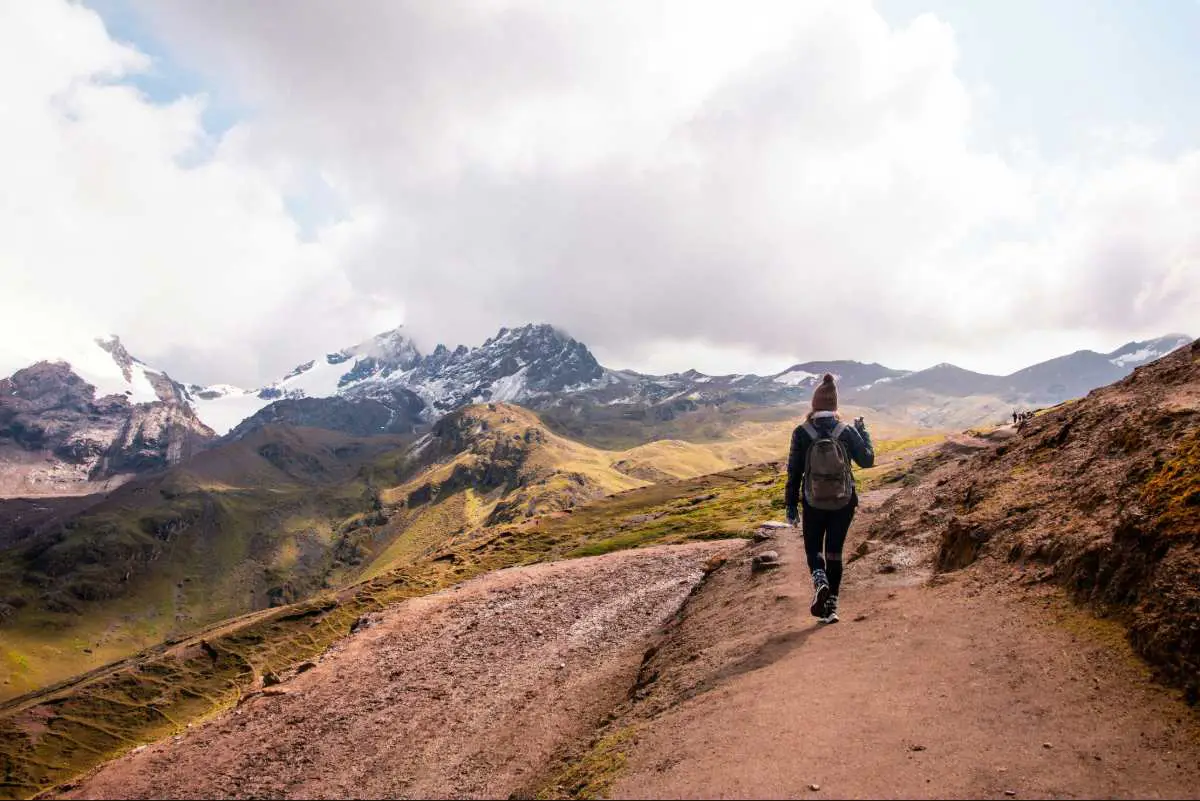
Several countries come up year after year on solo travellers' lists, whether for safety, legacy, or something else. Recurring destinations are Thailand, Spain and Italy, all providing a different take on solo travel. Thailand has long been known as a backpacking destination for its affordability and sense of escape. Both Spain and Italy are well suited to solo travellers, as they are well connected by public transport and have been welcoming tourists for many years, meaning the industry is very well run in these countries. Portugal, Hungary and Romania are also becoming new destinations that backpackers and solo travellers enjoy.
Countries that offer familiarity, through hostels or well-organised tours, tend to attract solo travellers, as they know they will not feel alone upon arrival. Some destinations with less tourism infrastructure can be intimidating, even for those who solo travel a lot, as they can make trip planning and meeting other tourists challenging.
It is definitely about balance, and these key destinations allow solo travellers to have an enriching experience with access to some comforts or community when needed. As tourism develops and becomes an industry for alternative income sources, many countries are turning their attention to it. Some up-and-coming solo travel destinations are Japan, Sri Lanka, Vietnam, Peru and Brazil. While they are quite well known in the backpacking world, more solo travellers are choosing these destinations to explore.
Where are the safest locations for solo travellers?
Wherever you travel in the world, there is always the possibility you may face danger, whether it be through theft, petty crime or natural disaster. It is impossible to escape; even at home, there are risks, and the same is true abroad. Many travellers fear the unknown and worry about safety when abroad, as receiving help may be more challenging for several reasons, such as language barriers.
Many destinations could be considered safe, and much of it will depend on your experience and personal feelings, too. Japan ranks among the safest destinations for solo travellers, along with Sri Lanka, Iceland, Portugal, Spain, Peru, New Zealand and Australia. But a lot of it comes down to personal experience. Even in some of the safest countries, you may have a negative encounter.
With political changes, war, weather, and economic and financial factors, safety levels in any country can change at any moment. While these destinations are voted as feeling safe, it is always best to check the latest news before booking a trip.
What can I do to stay safe when travelling alone?
The best things you can do to make sure you have an enjoyable experience and avoid potential danger are to follow these steps:
Always read reviews - Make sure to check hostel, tour and transport reviews. If there are red flags, they will likely be highlighted through previous experiences. If you feel safer, request a bed in a same sex dorm; most hostels will respect this and will accommodate your preferences. When booking homestays or joining volunteer programs, reviews can help you decide if it is a good fit for you.
Check for updated country information - Most government websites provide up-to-date information via country profiles, and it is best to check this before planning a trip. It is a good idea to check tourism seasons and weather patterns so you avoid visiting when it is not advised.
Share travel plans - Send your plans or itinerary to someone you trust back home, so they know where you are and where you should be. Consider sharing your live location, too, and having someone you can contact in case of an emergency.
Listen to local advice - Even in the safest places, it is always a good idea to listen to local advice on areas to avoid visiting alone and, in general, on areas you should not walk alone at night.
Research the destination - It is always a good idea to have a basic understanding of local customs and what is acceptable to help you stay safe. For example, if you are visiting a country where locals dress more conservatively, then it is best to respect this and join in to avoid unwanted attention.
Have a backup plan - It is best to make digital copies of your important documents and distribute your cash across your luggage, so that if something does happen, you are in a better position to handle the situation.

What are the social benefits of solo travel?
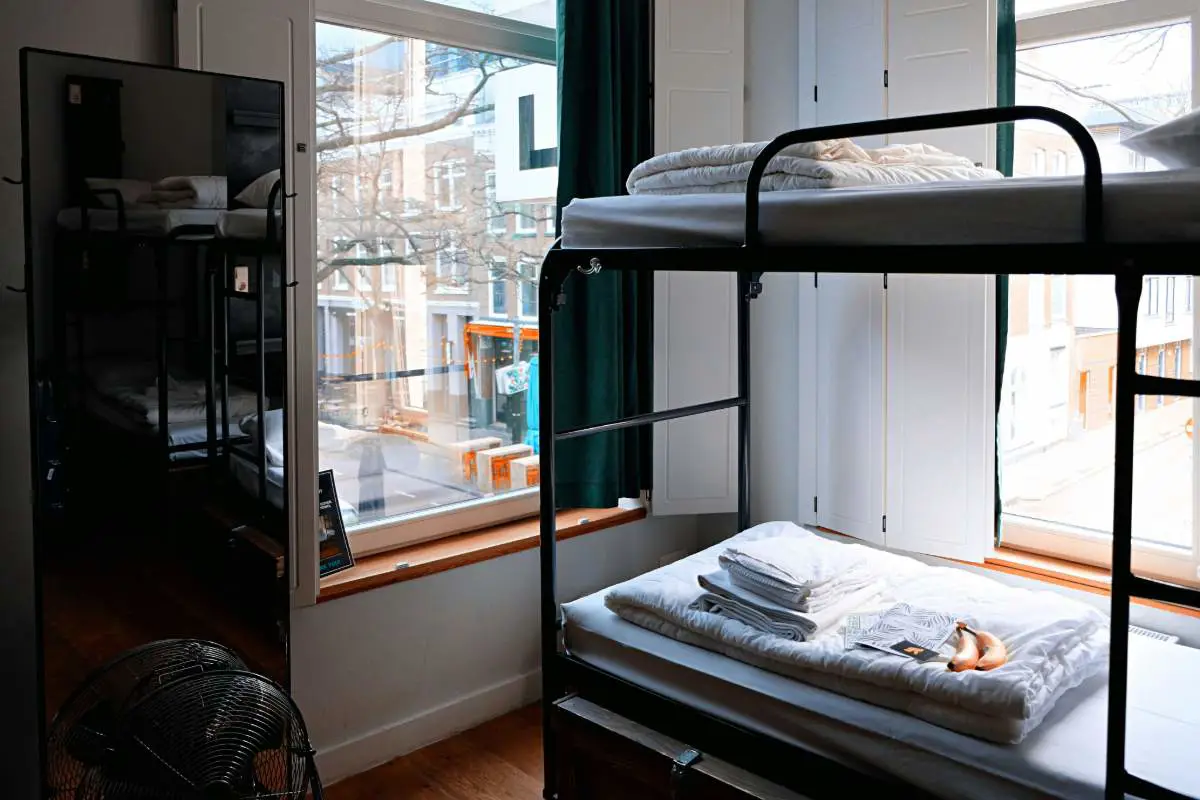
There are many benefits to solo travel aside from experiencing a new place. Many people travel solo to meet new people, and the most popular forms of accommodation are hostels and homestays. Hostels are social playgrounds for budding adventurers, and as popularity in staying in communal dorms grows, so does the choice of where to stay. There are many types of hostels, from boutique city hostels to more rugged, adventure-style guesthouses; you will find your people in the most social places.
Homestays can be a great way to connect more deeply with local communities. Using platforms such as Exploreo to book holiday homes can provide a more authentic experience than staying in a hotel.
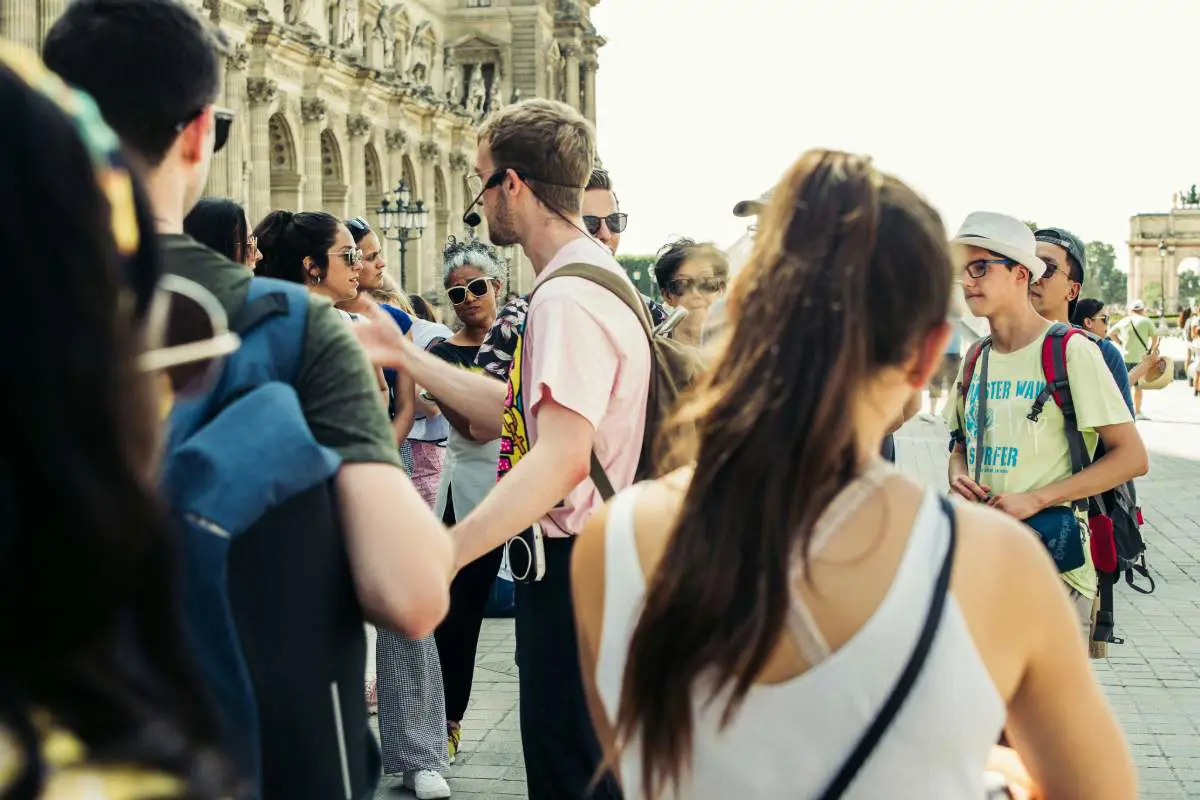
Many people who travel solo are looking to make new friendships, and hostels do a great job of hosting several events to get people talking and hanging out together. For example, you might be staying at a hostel in a city, and they will likely host some sort of pub crawl for those who want to see the city by night, but they will also put on walking tours during the day, as well as cultural or active tours for those who seek adventure.
Meeting new people can be a little scary, but in these environments, everyone feels welcome, and you may find you make friends for life. When people come together over a shared interest, it can be a great way to build lasting friendships and have a good time.
How to plan a solo adventure
Planning your first solo adventure might seem like a mammoth task, but it doesn't have to be, thanks to an abundance of tools and advice. Here are some simple tips to get you started and build your confidence in planning a solo trip.
Identify where you want to go
Think about what interests you and what you want to get out of your adventure. Are you looking for a city break where museums and culture come to life, or would you prefer to be closer to nature, perhaps for a more rugged outdoor adventure?
Planning, booking and going
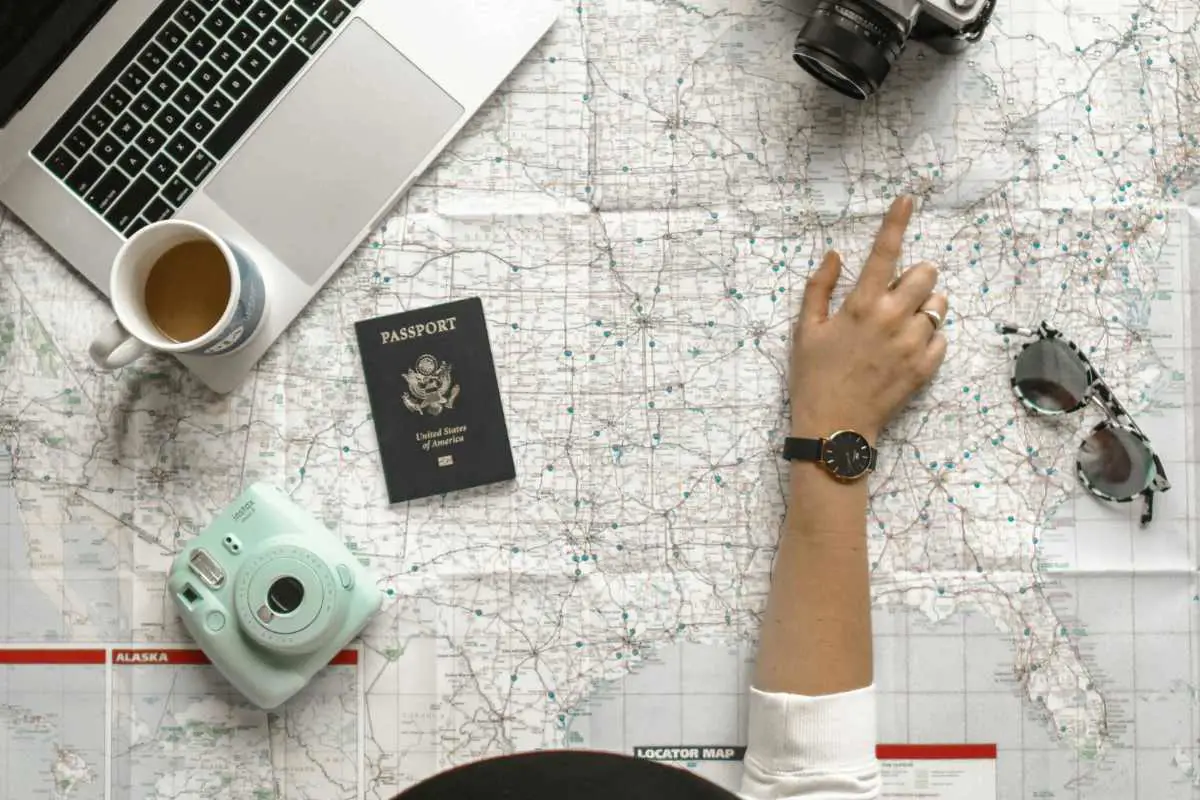
Once you have an idea of where you want to go, start looking online using research tools to find out what you want to do. You can also find tourism boards' social media accounts that provide detailed information about destinations. Once you have a good idea of where you want to go and what you want to see, then you can start making your bookings.
If you want to consider the carbon emissions from your trip, it is a good idea to use a booking platform such as Exploreo, which calculates trip emissions and automatically offsets them through tree-planting initiatives.
Safety and Preparation
It doesn't hurt to be prepared, and taking a few simple steps can help make your experience smoother. Making digital copies of your documents and emailing them to yourself is a good way to keep a copy in case something happens. You should always share your itinerary or location with a trusted contact back at home, so that someone knows where you are. Make sure to read reviews before booking, as some places might not be suitable for your trip or might not be everything they advertise. If you are planning to stay in hostels, always take a padlock with you, as they often have lockers available but don't always provide locks.
Packing and Luggage
A good rule whenever you travel is to carry what you're comfortable with - don't overpack. Especially if you are planning to backpack, it is a good idea to keep luggage to a minimum so taking public transport is more comfortable. By bringing less, you also reduce your emissions, especially when flying, since luggage can contribute to them. Try to pack interchangeable items and natural fabrics such as cotton, linen, and wool, and consider bringing a reusable water bottle to help reduce your plastic waste. If you are worried about the cleanliness of drinking water, then bring a water bottle with a filter for added peace of mind.
How can AI help solo travellers?
AI is becoming increasingly popular among solo travellers, especially those who haven't travelled much in the past, as it can help you start building your dream trip. Tools such as Exploreo can help you decide where you want to go and what you want to do while making conscious choices about travelling sustainably. It has to be said that while AI can be a great research tool, it is best to ensure the information it provides comes from a reliable source. It is a great companion during the research stage and can even be helpful when booking.
Is it possible to travel sustainably as a solo traveller?
Travelling solo can be just as sustainable as travelling with friends or in a group, but it all depends on what you want to do, how you get there, and whether you offset. Taking public transport is the best way to keep emissions down when travelling solo, and many countries across Europe use electric power or renewable energy to power their networks. It can also be a more cost-effective way to travel. If you consider the carbon emissions your trip will produce, you can use offsetting programs to help reduce your impact.
Another very easy solution is to bring reusable items with you, such as a water bottle, coffee cup, and utensils, especially when staying in a city, as this reduces reliance on plastic for takeaway food.
When to book your solo adventure?
The beauty of travelling solo is that you can plan or book whenever you want, as you are not tied to someone else's plans or restrictions. However, it is always best to consider the time of year you want to travel.
Planning a trip during peak season can be more costly and difficult at the last minute, and you are much better off considering the off-peak season. It can provide a more peaceful experience, which is a bonus if you want to create meaningful connections. You may also find that hostels can be a bit quieter, but it doesn't mean you won't find people to hang out with.
So what is stopping you from taking the leap and making your first solo trip?!
Sustainable tourism involves travelling in ways that minimise environmental impact while supporting local communities and preserving cultural heritage. This includes choosing eco-friendly accommodation, reducing waste, respecting wildlife, using public transport, supporting local businesses, conserving water and energy, and following responsible travel guidelines at your destination.
Travelling sustainably doesn't have to be expensive. Choosing trains or coaches instead of flights, staying in locally owned accommodation, travelling during the off-season, using public transport, carrying reusable water bottles and shopping bags, and eating at local restaurants can often save money while reducing your carbon footprint.
In many cases, driving can produce fewer emissions than flying, particularly if you're travelling with several passengers in one vehicle. However, trains are often the most environmentally friendly option for short and medium-distance journeys. Whenever possible, compare transport options before booking to find the most sustainable choice.
Walking and cycling are the most environmentally friendly ways to travel because they produce virtually no carbon emissions. For longer journeys, trains are generally the most sustainable option, followed by coaches and buses. If flying is unavoidable, choose direct flights, fly economy, and consider offsetting your emissions through certified carbon offset programmes.
You can calculate your travel carbon footprint using online carbon footprint calculators. These tools estimate your emissions based on factors such as your mode of transport, travel distance, accommodation, and activities. Many calculators also allow you to compare different travel options, helping you make more sustainable choices before you book.
The first step to tackling emissions that can't be fully avoided is to cut down as much as possible by making thoughtful choices, such as opting for low-carbon transport options or staying in environmentally friendly accommodation. Once you have reduced your emissions as much as possible, you can offset the remaining amount by contributing to initiatives such as reforestation efforts or renewable energy projects.
For offsets to make a real difference, they must be additional, permanent and properly verified. This ensures they contribute to real, measurable change. Exploreo plays a part in this by planting trees and supporting projects that curb emissions and benefit local communities.
A green travel kit typically includes a reusable water bottle, eco-friendly toiletries, a reusable shopping bag, reef-safe sunscreen, reusable cutlery, and digital travel documents to reduce waste and make travel more sustainable.