


Europe is home to timeless classics such as Paris, London and Athens, but there is much more to the continent than some realise. With a few emerging capitals, tourists are choosing less-visited cities for smaller crowds and to explore a new side of Europe. Discover the best-kept secrets of Europe and what makes them the most distinctive destinations on the continent. Vilnius, Tallinn, Riga, and Warsaw are just some of the capitals seeing a rise in tourism, and these, in particular, combine medieval charm, Soviet history, and contemporary creativity; they need to be on your bucket list.
Where time stands still in a modern world
A common theme among these capitals is their deep history, with cobbled corners and beautifully preserved medieval buildings that embrace past and present. Each has its own personality and unique stories that are deeply woven into everyday life.
As you wander the streets, tales of monarchs, merchants and more are revealed at every turn, historic church or statue. From eras bygone, yet these capitals also reflect the lives of ordinary people, the hard workers, sailors, and soldiers whose resilience helped shape the communities visitors experience today.
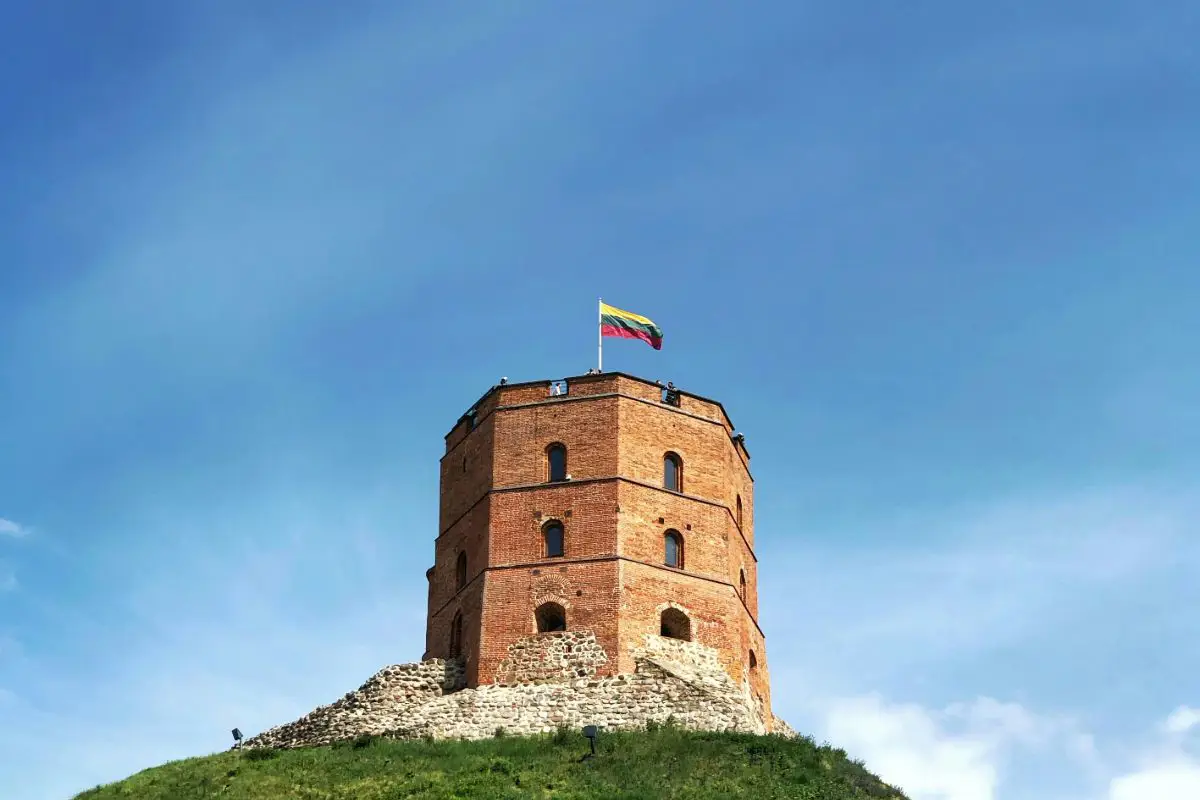
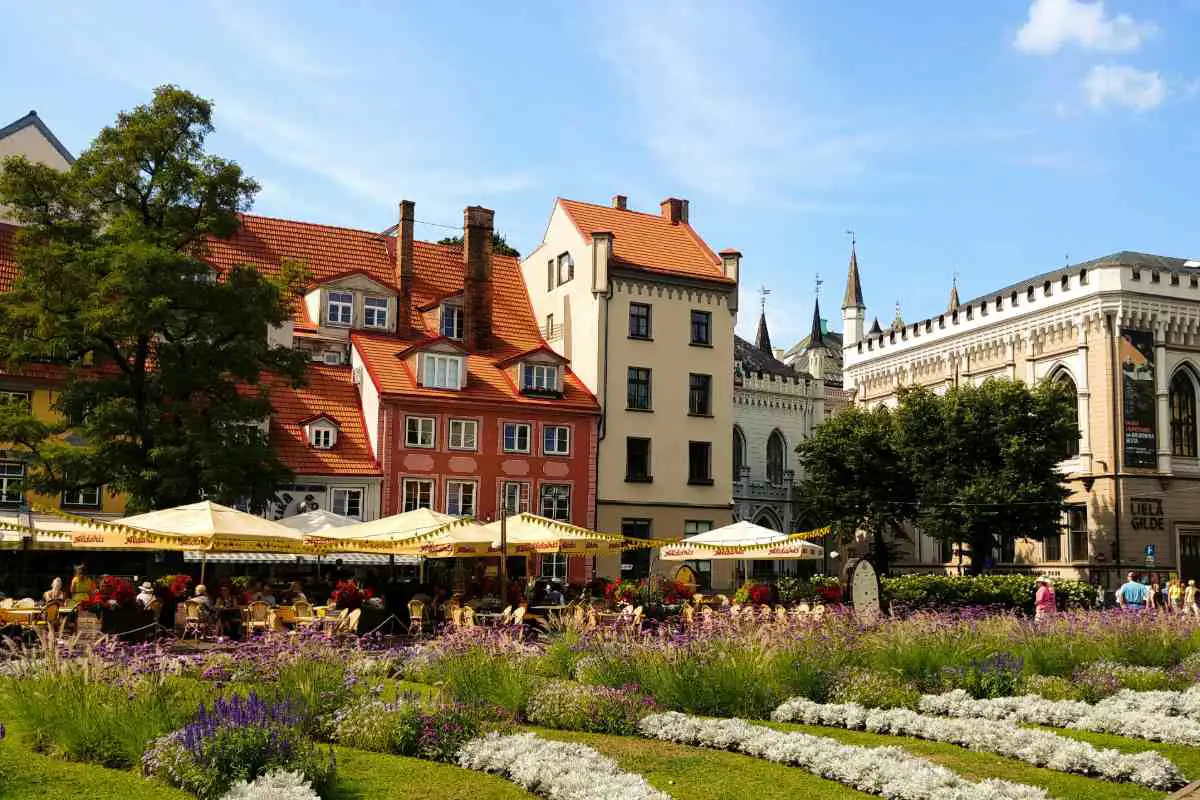
Each skyline tells its own story. In Riga, elegant Art Nouveau buildings decorated with ornate details stand beside Gothic architecture, reflecting centuries of prosperity and trade. Vilnius offers an intimate atmosphere, with landmarks such as Gediminas Castle Tower, which overlooks a mix of Gothic, Baroque, and modernist influences.
Tallinn is centred on a medieval core and preserves much of its character, with ancient defensive walls surrounding charming alleys and centuries-old buildings. Meanwhile, Warsaw demonstrates extraordinary resilience, with its carefully reconstructed Old Town standing proud despite enduring wartime destruction. Across these capitals, history remains a visible and living presence.
Traditions that still thrive
Traditional culture in these cities extends far beyond museums and monuments. Customs, folklore, music, and food continue to shape local identity and everyday experiences. There is a unique bond in this corner of Europe between its people and their traditions, largely due to its recent history under communism and the Soviet Union. Whilst Poland was not part of the Soviet Union, unlike its neighbours, it is still evident that people are passionate about staying connected with their traditions, as this was hugely discouraged during Soviet times.
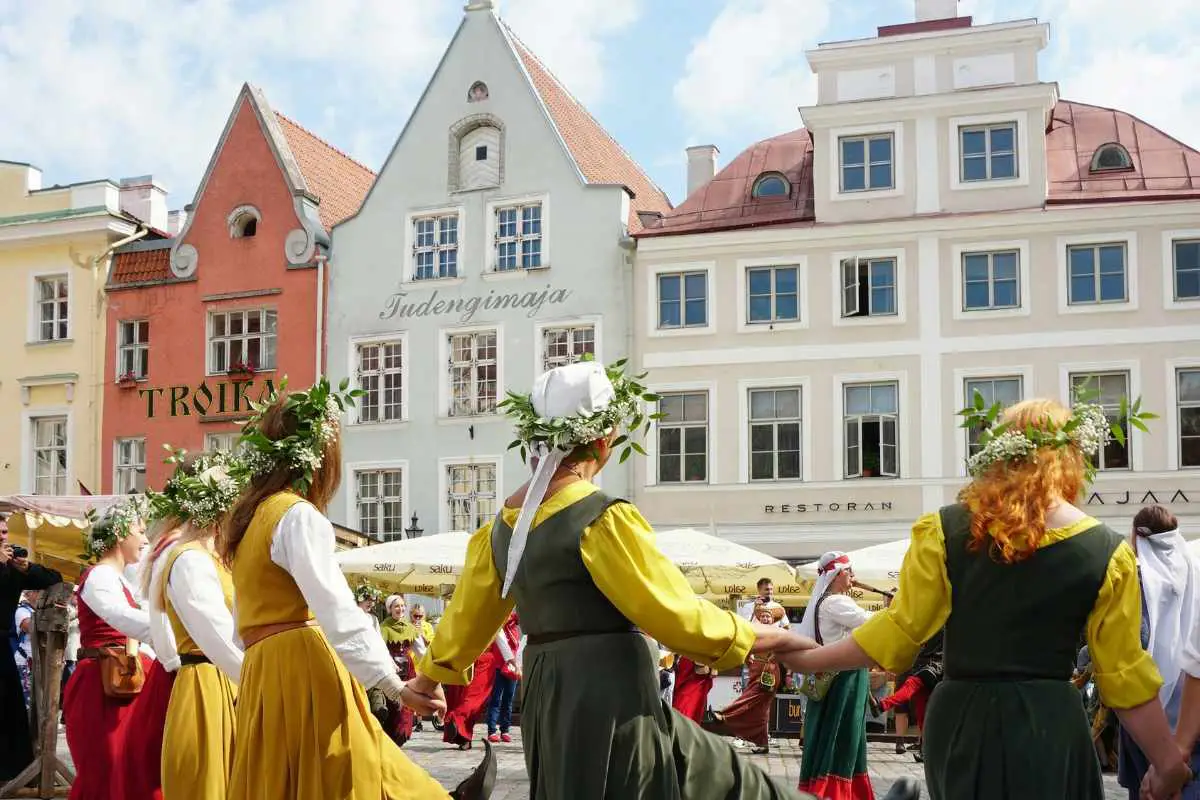
Riga proudly preserves Latvian heritage through institutions such as the National Library, which houses treasured folk traditions and historical archives. Warsaw continues to celebrate the legacy of composer Frédéric Chopin, whose influence still fills public spaces through concerts and performances dedicated to his music. Tallinn hosts an annual singing festival to preserve its native language, and Villinuis puts on one of the best summer solstice events in Europe, with wreath-making, dance, and more.
Food also offers insight into local traditions, and these countries go above and beyond to provide traditional dining experiences that transport visitors back in time.
Vilnius is known for šaltibarščiai, a vibrant cold beetroot soup beloved in warmer months and celebrated in cafés and at festivals. In Tallinn, traditional dishes such as hearty game stews and rye bread reflect Estonia’s rustic culinary roots. Riga is home to several traditional taverns where guests can join traditional dancing and sample local specialities. Warsaw’s food culture balances classic dishes like pierogi and żurek with contemporary dining experiences.
A growing spirit of creativity
Creativity fills the streets across these capitals and sometimes in the most unlikely of locations. As gentrification smothers many cities in Europe, these capitals have found a balance between preservation and change.
Visitors can opt for a more traditional experience by visiting grand venues across Tallinn, Riga, Vilnius and Warsaw. They host a variety of cultural performances from opera, ballet and theatre. However, there is a growing scene in art, music and gastronomy.
Telliskivi Creative City in Tallinn has turned the former Baltic Railway Factory complex into a thriving artsy district. Local artists have small boutiques selling crafts alongside seasonal exhibitions and craft breweries. Sample some of the best cuisine at restaurants such as F-Hoone, where experimental cooking takes over the kitchen, or sip a fruity sparkling wine from Nudist Winery.
Similarly, Vilnius, Lukiškės Prison has turned from a correctional facility into one of the most creative hubs and artistic venues in Lithuania. Over 250 artists work from the prison, showcasing their work. Visitors can enjoy a drink, watch a show or tour the spectacular building whilst creativity fills the halls.
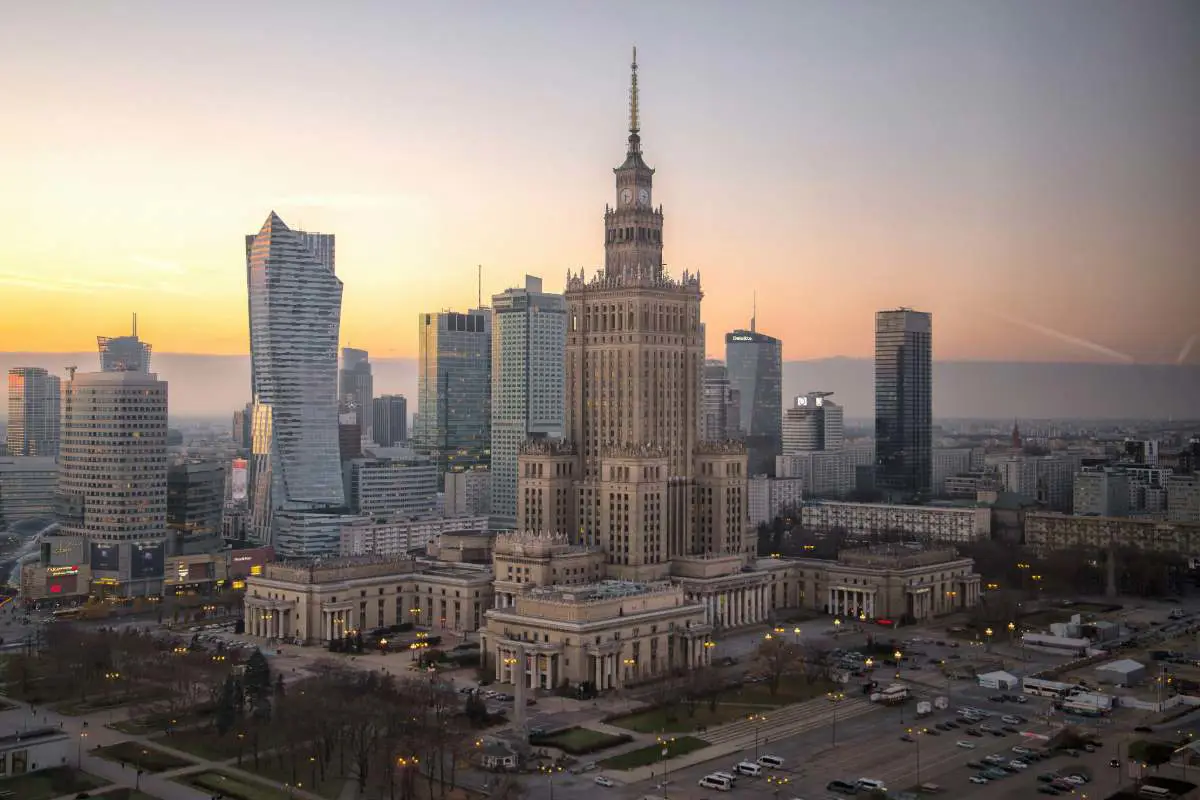
Warsaw's Palace of Culture and Science was once associated with Soviet influence, and now it is home to theatres, exhibitions, and entertainment spaces. Artists have transformed the venue in a way that demonstrates the city's evolving identity while preserving parts of its brutal history. For creative gastronomy, visitors can head to the Nocny Market (night market), where a huge variety of food is served in creative ways.
Riga’s Miera iela district (Peace Street) is lesser-known, but it is where you will find vintage shops, cute cafes, and local artists. Here, creativity flows through the streets; craft breweries offer fantastic Latvian beer, and delicious food is available along the way. It is a quieter district where creatives have found a home amongst a bustling city.
A growing trend in creativity is evident across all four of these wonderful capitals.
Markets and Local Produce
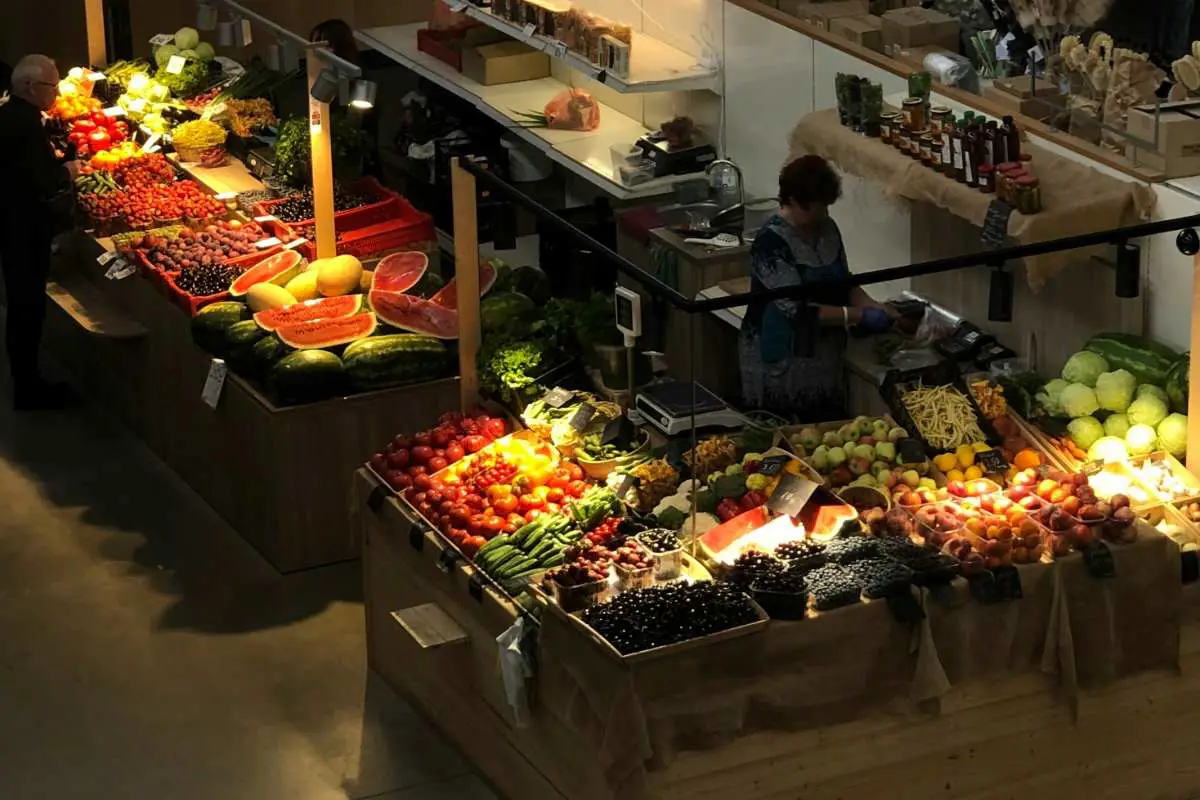
Markets remain important gathering spaces for both farmers and customers. There is a strong focus on seasonal eating and locally grown food across the Baltics, best reflected in their markets. There will always be a bustling atmosphere where visitors can witness local life and customs.
Riga’s restored Āgenskalns Market is fantastic for fresh regional products such as fresh fish, meat, and vegetables. Balti Jaam Market in Tallinn offers a similarly dynamic atmosphere, combining antiques, international street food, and fresh local ingredients.
Vilnius is home to Halės Market, where vendors have been selling cheese and meat products since the early 1900s. Now the variety of food has expanded to include locally made pickles, breads, and even other goods such as clothing and accessories.
Hala Mirowska in Warsaw is where you will see people and food from all walks of life come together. Fresh local produce is sold here alongside a modern food-court-style area where visitors can sample some of the best food in Warsaw.
Green spaces woven into city life
Nature plays a vital role across all four capitals, with rivers, coastlines, and parks providing balance to urban life.
Vilnius offers breathtaking views from hot air balloons, revealing a landscape where historic rooftops merge seamlessly with forests and green spaces, as access to nature remains central to life in Lithuania.
Riga stretches along the Daugava River, where bridges connect neighbourhoods and scenic riverbanks invite visitors to take long, peaceful walks. Parks throughout the city provide tranquil escapes from the hustle and bustle.
Situated on the Baltic Sea, Tallinn offers coastal promenades and refreshing waterfront scenery for visitors to enjoy. The rustic old town is surrounded by patches of green and beautifully maintained flower beds in the summer months.
Warsaw’s connection to the Vistula River gives the city a distinctive rhythm and sense of calm. Cyclists, walkers, and kayakers gather along its banks, while stretches of natural shoreline offer an unexpectedly wild contrast to the urban skyline. These green spaces create opportunities to slow down, recharge, and experience another side of city life.
A refreshing side of Europe
Tallinn, Riga, Vilnius, and Warsaw reveal a side of Europe that often escapes the spotlight, creating a compelling mix of destinations. In this north-eastern corner, centuries of history coexist with modern innovation, celebrating past and present.
Visiting any of these capitals, or combining a multi-city trip between them, can provide a rejuvenating experience where culture feels authentic and tradition is a way of life.
For travellers seeking more than the usual destinations, these cities offer an opportunity to experience Europe through a fresh perspective, one shaped equally by heritage, creativity, and curiosity.