


2026 is the year travellers become more conscious of the potential negative impact travel can have on destinations and the environment. Clear trends are emerging for 2026, such as monitoring your carbon footprint when travelling and choosing land travel. With a focus on green travel and a slower pace, tourism in Europe will see fewer flights, longer stays, and more green holidays.
Both green and slow travel have become popular over the past few years, as travelling in this way can provide a more fulfilling experience that is less harmful to the planet. Eco-tourism, supporting local communities, and nature-first experiences have become popular topics when searching for your next holiday.
Here are 10 European destinations to help you plan a sustainable, green trip for 2026.
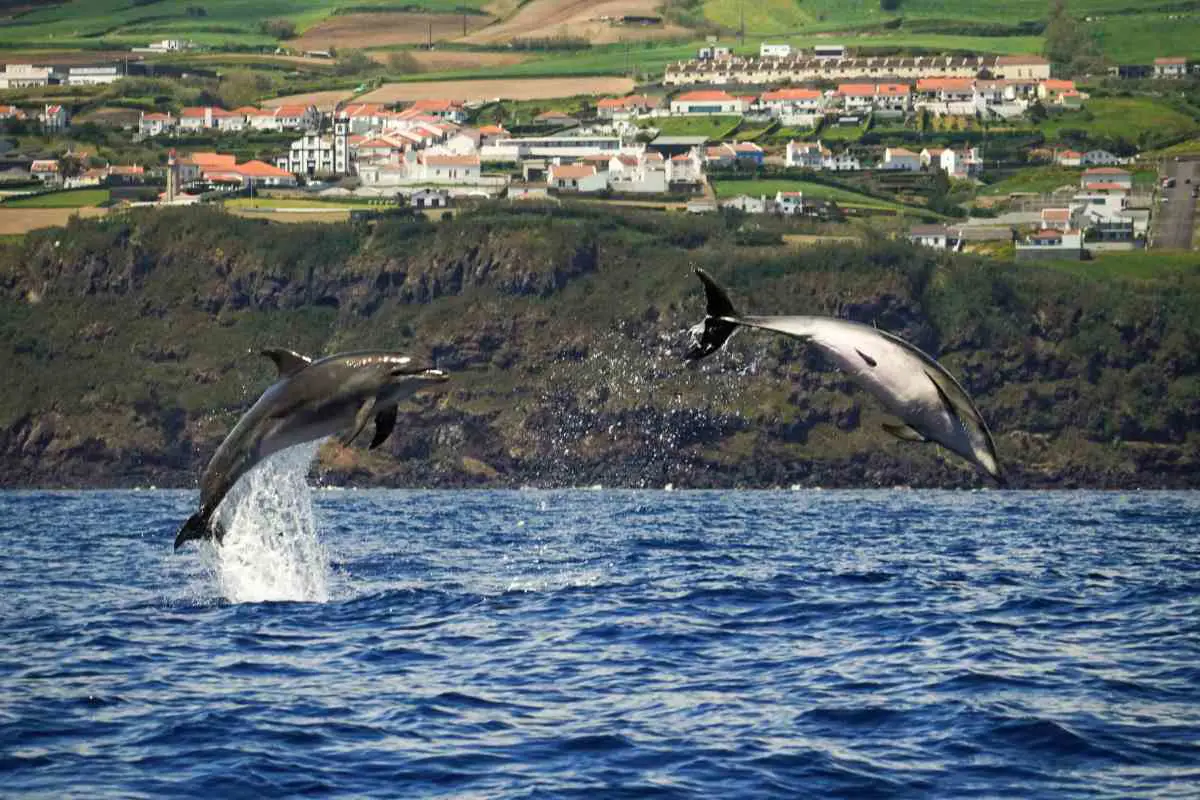
1. The Azores, Portugal
The Azores are setting a new standard for ocean protection and have become a marine conservation leader in Europe. With plans to expand their marine protected areas, the islands are becoming one of Europe’s most important biodiversity hotspots. Whale watching with strict ethical guidelines, geothermal energy use, and limits on overdevelopment make the Azores a standout eco-destination.
As well as experiencing marine wildlife in a way that promotes conservation over mass tourism, visitors can also enjoy sipping local produce, wines and sampling locally farmed goods while learning more about this Portuguese nation.
2. Brittany, France
Brittany has quietly become a model for low-carbon tourism, thanks to its remote beaches, simple way of life, and preservation of local traditions. Visitors are encouraged to travel by train, with incentives and discounts on tickets, or to consider cycling along the coastline, following one of the Eurovelo routes.
There are several eco-certified rural gîtes, farm stays, and locally owned guesthouses that promote sustainable tourism benefiting locals. Brittany is known for its farm-to-table dining, strong fishing culture, local cider production, and fresh, locally grown produce. Visitors can truly enjoy a slower pace of travel in Brittany by walking along its protected coastal paths, dining at locally owned restaurants and visiting its historical sites.
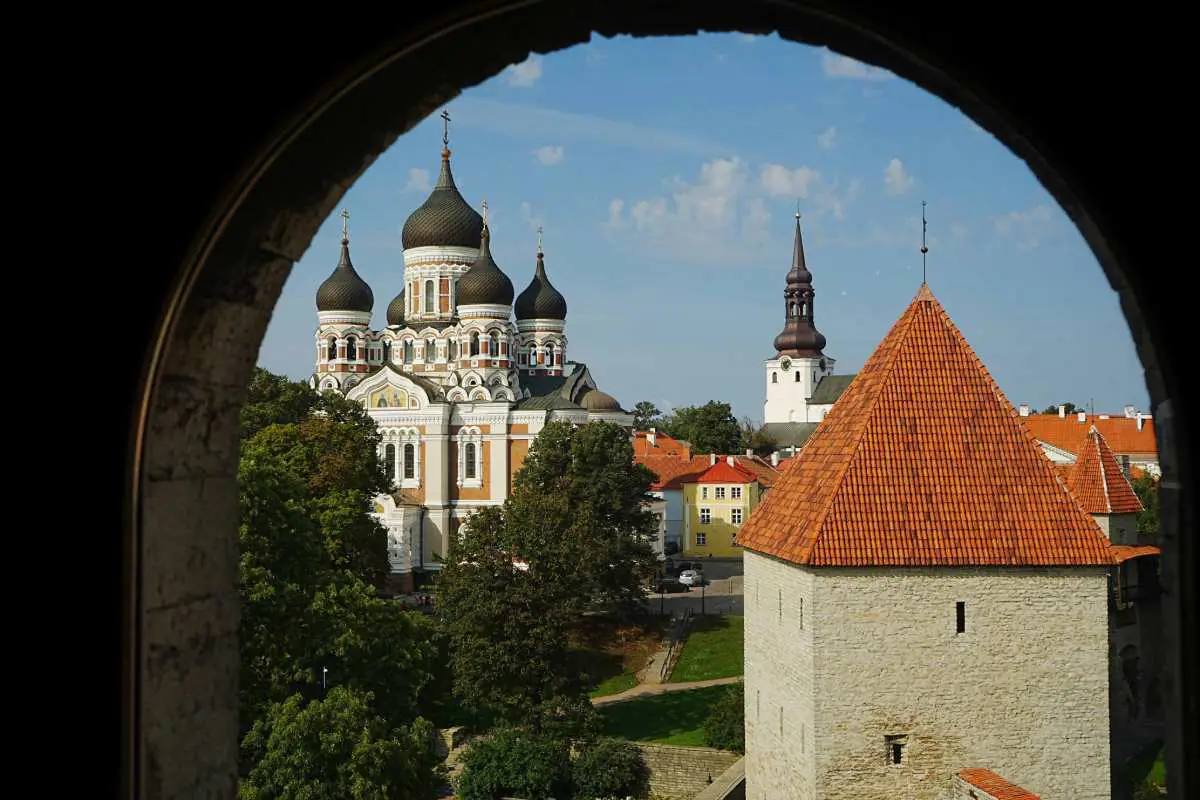
3. Estonia
As one of Europe's leading tech hubs, Estonia should be on everyone's green travel list. Estonia is proud of its traditional culture, and visitors can experience this through food, museums and more. A connection with nature is deeply rooted in the Estonian way of life, through activities such as foraging, summer swamp swimming, ice skating, and sauna use in winter.
Tallinn combines digital innovation with environmental responsibility alongside its medieval charm. The Old Town encourages visitors to walk or use the extensive public transport network to explore its cobbled streets. As a walkable city, it's easy to explore the surrounding forests with a low carbon footprint.
4. Scotland
Scotland’s vast Highlands, islands, and national parks are perfect for travellers seeking space and sustainability. With an incredible focus on dark sky reserves and rewilding projects, Scotland is a fantastic place for nature lovers who appreciate an untouched, rugged space.
With a strong push toward renewable energy and a focus on promoting slow adventures such as hiking, kayaking, and rail journeys, Scotland is an ideal destination for carbon-conscious travellers. Enjoy a day scrambling across the moors before warming up with a hearty meal at a local pub.
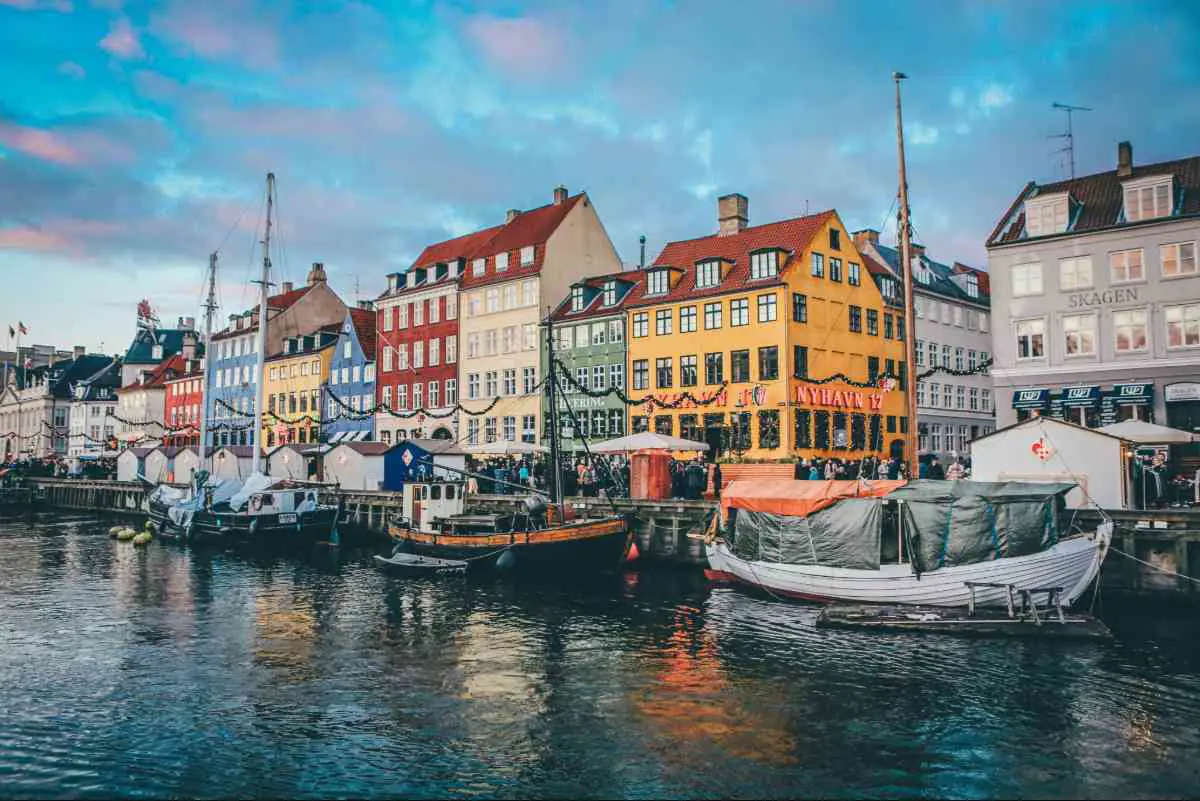
5. Denmark
Copenhagen continues to set global standards for sustainable urban living. With its goal of becoming carbon-neutral, the city offers clean harbours for swimming, bike-first transport, and world-class plant-forward cuisine. It’s a destination where green choices come effortlessly to visitors. Copenhagen presents opportunities for a variety of green travellers, for those seeking historical architecture blended with outdoor activities in the city.
6. Portugal
Although Portugal is already a well-known top destination, its North Atlantic coastline offers a great opportunity for green travellers to explore a less-visited side of the country. Small fishing villages welcome visitors with platters of locally caught seafood and traditional music in local bars. Walk along the rugged coastline where only the bravest take on the epic waves. With a strong focus on locally produced goods, Portugal is becoming an attractive destination for green travellers.

7. Greece
In contrast to crowded hotspots, Greece’s smaller islands and regions, such as Pylos in the Peloponnese, are embracing slow tourism. Emphasis on local food, traditional architecture, and renewable energy initiatives allows travellers to experience Greek culture while supporting smaller communities and reducing environmental strain.
Smaller islands such as Thasos also offer visitors a unique chance to experience Greek culture at a slower pace, where fresh locally caught fish can be sampled alongside a golden sunset.
8. Northern Germany
Germany’s northern coast is redefining sustainable seaside travel with its sandy beaches away from the crowds. The East Frisian island of Langeoog is car-free, relying on bicycles and electric transport. At the same time, Stranddorf Augustenhof, a Baltic Sea holiday village, emphasises nature protection and low-impact accommodation, offering 30 holiday homes. These destinations prove that beach holidays can be both relaxing and responsible, whilst still being great fun.

9. Northern Spain
A forgotten corner of Europe, Northern Spain offers an alternative destination for sustainable travellers, with small fishing villages and quaint mountain towns providing a unique escape. There is a slower pace of life in this region, where visitors can hike one of the many Camino de Santiago trails, visit remote towns and villages with traditional architecture, or sip locally made sangria by the coast.
10. Austria
Austria’s Alps are a leader in sustainable mountain tourism with car-free villages, efficient train connections, and eco-friendly ski resorts focused on year-round tourism. These, combined with epic landscapes, make Austria ideal for travellers seeking nature without excess. Hiking, wellness retreats, and local craftsmanship encourage longer, slower stays, allowing visitors to enjoy a taste of local culture and cuisine.
Why These Destinations Matter in 2026
Green and slow travel is no longer a niche; it’s becoming the new standard within travel. These destinations show how tourism can protect ecosystems, reduce emissions, and still offer rich, unforgettable experiences. In 2026, the most meaningful journeys won’t be about how far you go, but how thoughtfully you travel.