


For adventurers who want to minimise their environmental impact, there is a great variety of destinations and options. From car-free islands to energy-efficient cities, here are the top 10 locations that prioritise nature, conservation, and responsible tourism:
- Nankoma Island, Malawi: The Blue Zebra Island Lodge is helping preserve the island's diverse ecosystem. As a well-known birdwatching hotspot that lies within Lake Malawi National Park, this lodge needs to be on your checklist.
- Cabo Polonio, Uruguay: Spend a night under the stars at Uruguay's National Park with protected people, wildlife and traditions.
- Caiman House, Yupakari, Guyana: Located in the heart of Guyana, this indigenous-run conservation project encourages visitors to learn about local life and support research on caimans.
- Yunguilla, Quito, Ecuador: This nature lover's paradise supports local projects and indigenous communities sustainably.
- Tobago Cays Marine Park, St Vincent and the Grenadines: Often referred to as the jewel within the crown, a day visit to the reefs here will demonstrate responsible tourism in a delicate ecosystem.
- Kulu Safaris, Yala National Park, Sri Lanka: Kulu is making headway with sustainable practises in one of Sri Lanka's most popular national parks.
- The Moonlit Sanctuary, Victoria, Australia: Tourism at Moonlit Sanctuary funds science-led conservation in the area, encouraging sustainable tourism.
- Ljubljana, Slovenia: After banning vehicles in the capital and focusing on green initiatives, Slovenia is a leading destination in Europe for green travel.
- Hikurangi Marine Reserve, Kaikoura, Aotearoa/New Zealand: As a famed place to whale watch, this marine reserve is doing what it can to encourage sustainable tourism and conservation.
- AYANA Komodo Waecicu Beach, Indonesia: Indonesia has many islands that promote sustainable tourism, and this luxe resort helps local communities preserve their home.
What makes a destination eco-friendly?
There are many factors that contribute to a destination's eco-friendliness, so deciding where to go can be challenging. Opting for an eco-friendly destination enables travellers to offset emissions and contribute positively to the planet. It also enables tourists to enjoy their travels while staying true to their environmental values.
Protecting nature and wildlife lies at the heart of any eco-conscious location, and these 10 destinations actively work to reduce their environmental impact by managing waste responsibly, cutting carbon emissions, and reducing plastic use. At the same time, they focus on conservation and protecting their local environment.
Efficient use of resources is another hallmark of eco-friendly destinations. They often prioritise renewable energy, conserve water and source goods locally to reduce their carbon footprint. By supporting local communities and using locally grown produce, these resorts and lodges show tourists how to live with minimal power.
Eco-certified accommodation also plays a significant role, and hotels and lodges with recognised green certifications often adopt energy-saving practices and offer initiatives such as 'green rooms', where guests can opt for reduced resource use during their stay.
Sustainable transport options also add to a destination's appeal, whether it's efficient public transport, availability of electric vehicles, or well-designed cycle paths; these locations make it easier for visitors to explore while minimising their carbon footprint.
But it's not just about the environment; it's about the people too, and eco destinations work with local communities and put local needs first.
As travellers increasingly seek out sustainable options, destinations are stepping up, and industry professionals are finding innovative ways to provide meaningful experiences that conserve the environment and uplift local communities. As demand increases, so do the options available.
1. Nankoma Island, Malawi
Nankoma Island is located in Lake Malawi National Park, the world's first freshwater park. Its boundaries were established under the National Parks and Wildlife Act in 1980, and in 1984, it was declared a UNESCO World Heritage Site. One of the best places to visit is the Blue Zebra Island Lodge, which welcomes visitors while helping protect and preserve the lake's diverse ecosystem.
Sustainable island living
As part of a protected national park, the island's tourism and accommodation prioritise minimising environmental impact through energy-efficient practices and responsible resource management. Blue Zebra Island Lodge primarily uses solar energy for power, and its water is pumped from the lake and filtered for use at the lodge. Their off-grid setup means they are less reliant on using diesel generators.
Low-impact travel
Access to Nankoma Island is primarily by boat, which naturally limits vehicle traffic and reduces transport-related carbon emissions in the area. Once on the island, walking is the main mode of transportation, allowing visitors to explore the environment in a low-impact way. This slower pace of travel encourages a closer connection with nature and reduces disturbance to local wildlife within Lake Malawi National Park.
Eco-friendly accommodation
Accommodation on Nankoma Island focuses on balancing visitor comfort with the need to ensure local needs are not compromised. Blue Zebra Island lodge uses locally sourced produce and fish caught from the lake, helping reduce the environmental costs of imported food while supporting local farmers and fishermen. By prioritising local sourcing, tourism on the island has helped strengthen regional livelihoods while encouraging sustainable food systems.
Biodiversity protection
Nankoma Island plays an important role in conserving one of the world's most biologically diverse freshwater ecosystems and in combating overfishing and poaching. Tourism projects help to educate both locals and visitors on the importance of wildlife conservation and biodiversity protection.
Lake Malawi is home to several rare cichlid species, making it attractive to visitors, particularly snorkellers, and it has become a key destination for snorkelling, diving and conservation tourism. Visitors are encouraged to respect protected habitats and participate in activities that support biodiversity preservation.
Community involvement
The long-term sustainability of Nankoma Island depends on collaboration between conservation organisations, tourism operators, and surrounding communities. Tourism must benefit all, so employing local guides, boat drivers, and hosts means the benefits are more evenly distributed within the community.
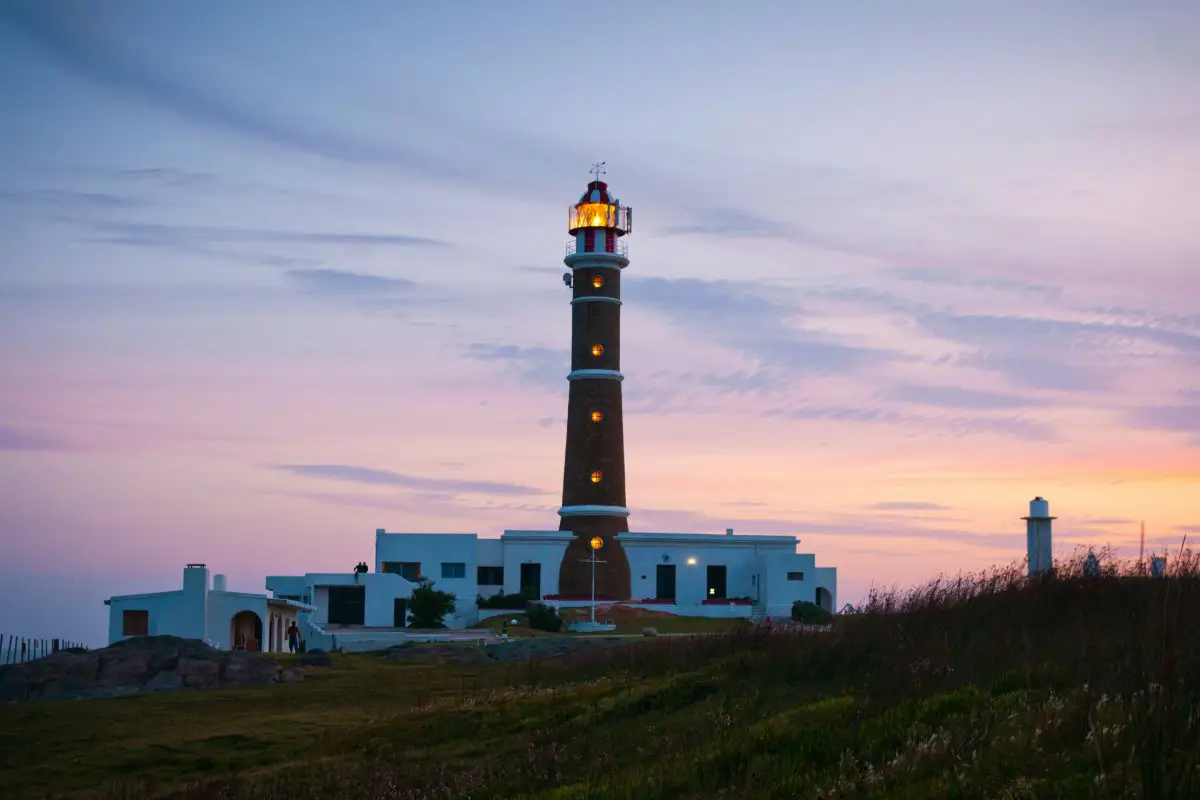
2. Cabo Polonio National Park, Uruguay
Situated on the remote Atlantic coast of Uruguay, Cabo Polonio is a fantastic example of low-impact, nature-based tourism in South America. The small village is built on a small scale from debris that washes ashore, in contrast to nearby coastal cities. It has become known for its commitment to environmental preservation and a slower, more sustainable way of life. Its off-grid nature provides visitors with a unique chance to experience a place where the environment remains largely unspoilt.
Protected natural areas
Cabo Polonio National Park is known for its ecological importance, rich biodiversity, and status as a protected area. The area boasts expansive dunes, rocky coastlines and native vegetation, as well as one of the largest sea lion colonies in South America. The protected ecosystems surrounding the village provide habitats for migratory birds, marine life, and rare coastal species, making Cabo Polonio an important conservation and ecotourism site.
It is also one of the best sites in Uruguay for stargazing due to the lack of light pollution, and the area has become a hot spot for night sky enthusiasts.
Eco-friendly stays
Unlike many beach destinations, Cabo Polonio has no electricity grid, paved roads, or large-scale development, as it was built over time from items that washed ashore. Visitors often stay in rustic cabins, eco-lodges, or locally run guesthouses that are powered by solar energy.
The village's simplicity encourages travellers to disconnect from their routines and embrace a more mindful pace of life, with nature on their doorstep. Local seafood and regional dishes further connect visitors to the area's coastal traditions and small-scale economy.
Community involvement
What makes Cabo Polonio especially unique is the close relationship between its residents and the surrounding environment. The local community has adapted to the area's remote conditions while maintaining traditions centred on conservation, fishing and sustainable living. Tourism has become a source of income that benefits locals, while educating visitors and sharing with them a slice of paradise amongst the dunes.
3. Caiman House, Yupakari, Guyana
Located deep in the North Rupununi region of Guyana, Caiman House in Yupukari is a community-led ecotourism and wildlife conservation destination. Surrounded by vast savannahs, wetlands, and tropical forests, this lodge combines scientific research, Indigenous knowledge, and sustainable tourism to create meaningful experiences for visitors.
Wildlife conservation
Caiman House is best known for its black caiman conservation programme, which has become a focal point of the community's environmental efforts and identity. Visitors can join a guided expedition in which researchers set out at dusk to study caiman populations and monitor their numbers. In addition to caiman, there are efforts to increase the population of the yellow-spotted turtle, as its numbers have suffered in the past from overhunting.
Community-led tourism
Caiman House is situated in Yupukari, a Macushi community, and staying here offers guests the chance to learn about local customs and traditions. The lodge is community-owned and operated, meaning that all profits go directly to the local people. When visiting, guests can dive deeper into traditional culture with a tour of the village to see the local way of life, guided nature walks or through a culinary experience sampling local specialities.
Protected natural spaces
Located in one of Guyana's most biologically rich regions, Caiman House promotes tourism that harmonises with the surrounding environment and local community. The Rupununi ecosystem supports an extraordinary variety of wildlife, including giant river otters, giant anteaters, jaguars, and hundreds of bird species. Guyana's Rupununi region is perhaps one of the most biologically diverse areas in the country.

4. Yunguilla, Quito Ecuador
Northwest of Quito in the misty cloud forest, Yunguilla is a humble community-based sustainable tourism project in Ecuador. The area was threatened by deforestation and unsustainable land use. This rural community has transformed the land into a model for conservation, environmental education, and responsible travel.
Environmental restoration
Restoration in Yunguilla began with a community-led effort to restore its surrounding cloud forest ecosystem. Over many years, residents have worked hard to protect native habitats, reforest degraded land, and promote responsible farming practices. These initiatives have helped preserve biodiversity while creating new opportunities for ecotourism, allowing visitors to experience one of Ecuador's most ecologically rich regions.
Community-based tourism
Yunguilla is a tourism project designed to directly benefit the local community, whether through work opportunities, education, or financial support. Visitors can stay with local families and sample dishes using a farm-to-table approach. A highlight here is learning about sustainable agricultural practices such as organic farming and artisanal food production, which is ideal for foodie travellers. Revenue from tourism and visitors goes directly back into educating the community and investing in the land, ensuring its preservation for years to come and future generations.
Indigenous connections
A key aspect of Yunguilla is its strong connection to local traditions and rural Ecuadorian culture, which creates a meaningful experience for visitors. Guests will have the opportunity to interact with community members to learn about traditional ways of life and gain insight into the region's cultural heritage. By supporting community-led experiences, visitors can give back and help locals preserve their cultural identity.
These projects show how tourism can bring together visitors and locals in ways that benefit both by encouraging indigenous people to showcase their traditions and share them with guests who are passionate about learning and meaningful experiences.
5. Tobago Cays Marine Park, St Vincent and the Grenadines
Located in St. Vincent and the Grenadines, Tobago Cays Marine Park is widely regarded as one of the Caribbean's most pristine marine environments, comprising five uninhabited cays surrounded by turquoise waters and vibrant coral reefs. The park serves as a leading example in the region of successful marine conservation and sustainable tourism projects.
Marine conservation
The marine park was established to protect delicate ecosystems and provide refuge for a diverse range of marine species, including coral reefs, seagrass beds, and, in particular, nesting areas for sea turtles. By introducing strict conservation measures, such as designated mooring areas and protected zones, it has helped to minimise human impact while still allowing visitors to experience the rich biodiversity.
Eco-friendly experiences
Visiting the Tobago Cays is centred on low-impact activities that encourage visitors to appreciate and protect the marine environment while still experiencing the crystal-clear waters. Several activities such as snorkelling, sailing, kayaking, and wildlife observation can be enjoyed on a day visit to the cays. These activities allow visitors to experience the area's rich biodiversity without damaging or disturbing the delicate ecosystems.
Community involvement
The marine park has become an important protected area for nearby communities throughout the Grenadines. The prospect of tourism and education on the importance of the cays has encouraged local boat operators, guides and small business owners to play their part in sustainable travel. Through education, conservation initiatives, and community engagement, residents have become active partners in protecting the resources that support both their livelihoods and the region's tourism industry.

6. Yala National Park, Sri Lanka
Located in the Southeastern corner of Sri Lanka is the renowned Yala National Park. The region has gained significant attention on social media for often overcrowded tours; however, Kulu Safaris is doing something a little different. Kulu offers a respectful approach to wildlife tourism that combines luxury camping with environmental responsibility.
The camp offers visitors the opportunity to be immersed in nature, surrounded by diverse ecosystems ranging from dry forests and grasslands to coastal lagoons. This immersive experience encourages visitors to respect the local habitat while getting away from the crowds.
Sustainable accommodation
Kulu Safaris provides glamping experiences that prioritise guest comfort while remaining sustainable by respecting the environment. The camp focuses on responsible resource use, appropriate waste management, and sustainable practises while still providing a high-level service. This approach encourages travellers to connect with nature without contributing to large-scale development in sensitive wildlife areas.
Responsible safaris
Located near Yala National Park, Kulu Safaris provides opportunities to observe leopards, elephants, sloth bears, crocodiles, and a large variety of bird species in Sri Lanka. The guided safaris adhere to responsible wildlife viewing practices and ensure that animal welfare is a top priority.
By promoting ethical tourism practices and environmental awareness, the camp helps foster appreciation for the ecosystems that make Yala one of the country's most celebrated conservation areas.
Community engagement
Kulu's work aims to support local communities and businesses by creating job opportunities, education, and more. The camp works with local guides, suppliers, and staff, ensuring that tourism generates economic opportunities for the people who need it most. This also means that guests can experience more authentic Sri Lankan culture through locally inspired cuisine and regional hospitality, creating meaningful connections between visitors and the surrounding community.
7. The Moonlit Sanctuary, Victoria, Australia
Situated on the Mornington Peninsula in Victoria is the Moonlit Sanctuary Wildlife Conservation Park. This park is a leading example of how wildlife tourism can help promote environmental stewardship, fund conservation projects and empower local communities. The area is home to a diverse range of native Australian species, and the sanctuary provides visitors with immersive wildlife experiences while actively protecting threatened species.
Species protection
Moonlit Sanctuary's core mission is to conserve Australia's unique and threatened wildlife. The sanctuary facilitates several programs, such as breeding and recovery, for several threatened species in the area. Their projects help support populations facing ongoing challenges in the wild and increase their chances of thriving. In addition to these programs, they do what they can to protect the natural habitats where these animals live.
Sustainable tourism
Moonlit Sanctuary offers visitors the opportunity to experience the area's wildlife through guided excursions, educational presentations, and evening tours that showcase nocturnal species in their natural habitats. These experiences are designed not only to engage visitors but also to educate guests on the issues faced in the area and how tourism can positively impact and fund local projects.
Community engagement
The sanctuary works with conservation organisations, educators, and local communities to promote environmental responsibility and wildlife protection, and this level of commitment makes it a great place for tourists. Tourism funding projects at the sanctuary create a direct link between visitor experiences and positive environmental outcomes.

8. Ljubljana, Slovenia
Slovenia has made a name for itself as one of Europe's leading green destinations, and Ljubljana is gaining international recognition after becoming one of the few pedestrianised capitals. With ambitious environmental policies, green urban planning, and a strong commitment to improving the quality of life for residents and visitors alike, Slovenia is paving the way to a greener future in travel.
Green urban planning
Ljubljana's commitment to sustainability is most visible in its people-focused city centre, where large areas of the historic centre have been pedestrianised. This has not only reduced traffic congestion, air pollution, and noise but also created a more enjoyable environment for residents and tourists. The city also promotes cycling, walking, and public transportation through an extensive network of bike paths, electric vehicles, and environmentally friendly transit options.
Environmental conservation
Despite being a capital city, Ljubljana is a great place to visit to witness conservation in an urban environment. Parks, riverside pathways, and urban forests are woven throughout the city, providing habitats for wildlife and recreational areas for the community. There has been a strong focus on the River Ljubljanica, and restoration efforts have been made to make it a safer habitat for wildlife.
Community engagement
Sustainability in Ljubljana extends beyond infrastructure and planning to include an active community. Tourism guides, local business owners, and educators have come together to make Ljubljana a sustainable tourism hotspot. Initiatives that support the local economy have been prioritised, putting people first, and the response has been incredible. It is a fantastic demonstration of getting people together to achieve great things.
9. Hikurangi Marine Reserve, Kaikōura, Aotearoa/New Zealand
Just off the coast of Kaikōura on New Zealand's South Island, the Hikurangi Marine Reserve protects a unique stretch of ocean, renowned for its rich marine biodiversity. It has attracted whale watchers for many years. Deep-ocean trenches meet nutrient-rich coastal waters, making the reserve one of the country's most important marine ecosystems.
Biodiversity protection
The Hikurangi Marine Reserve was established to safeguard a diverse range of marine habitats, which are primarily rocky reefs, kelp forests, and deep-sea environments. These waters provide refuge for species such as dolphins, seals, seabirds, and whales that migrate through the region year-round, making it an attractive destination to whale watchers. Long-term conservation of marine biodiversity is achieved within the reserve by limiting extractive activities to minimise ecosystem damage and prioritising sustainable tourism by enforcing limits on tour operations.
Responsible experiences
Kaikōura has become internationally recognised for its wildlife encounters, offering visitors opportunities to observe a wide variety of sealife responsibly. There are strict environmental guidelines in place that tour operators in the region must abide by to minimise disturbance to marine life. Educating visitors and sharing this information are signs of a good tour operator, and you will still have a fantastic experience, all while knowing your visit is minimising disturbance to the ecosystem.
Community stewardship
The collaborative approach at the marine reserve involves local communities, conservation organisations, Māori guardianship principles, and teamwork. There is an emphasis on respect for the natural world and cultural traditions in the area, which play a significant role in efforts to ensure the marine reserve remains intact. Responsible waste management, sustainable tourism, community inclusion, and education are core priorities, and this focus may have contributed to its success as a community-led project.
10. AYANA Komodo Waecicu Beach, Indonesia
AYANA Komodo Waecicu Beach offers a luxurious getaway in Indonesia's spectacular Komodo region while prioritising sustainable practises. Situated in Komodo National Park, the resort combines top-tier hospitality with a commitment to sustainable tourism. Visitors get to enjoy turquoise waters, tropical landscapes, and abundant wildlife thanks to a strong commitment to conservation and sustainability.
Environmental conservation
The Komodo National Park is UNESCO-listed, meaning the area has become recognised for its beauty, and alongside this, tourism has become important for the region, as it provides funding opportunities and allows locals to share their stories and knowledge of the coral reefs, marine life, and, of course, the iconic Komodo dragons.
Sustainable hospitality
AYANA Komodo integrates sustainability into many aspects of its operations and prioritises reducing environmental impact while maintaining high standards of guest comfort. With a focus on conscious tourism, the resort has worked hard to reduce its waste production. It ensures it uses locally sourced ingredients, which have helped minimise its negative impact on the surrounding environment. The resort also offers low-impact activities such as snorkelling, diving, and other nature excursions to educate and showcase the rich biodiversity.
Local economic support
The resort plays an important role in supporting local communities by creating employment opportunities. This is done through direct employment at the resort and by sourcing products and services from regional suppliers whenever possible. AYANA Komodo Waecicu Beach demonstrates how luxury hospitality can contribute to environmental stewardship and community development.
Why sustainable tourism matters?
As travellers seek meaningful and environmentally responsible experiences, these destinations stand out as some of the top places to visit in 2026. From Cabo Polonio's rustic charm to Caiman House, where community-led conservation efforts provide an unforgettable experience, each destination has its own approach to sustainable tourism.
These destinations prioritise community-led projects in which local people benefit from tourism. In addition to a focus on community, each location is working hard to protect its natural environment, whether through conservation projects, responsible waste management, or carefully planned tours and excursions.
As sustainability is prioritised, many destinations are working to ensure they provide a fulfilling and meaningful experience for visitors while not compromising the well-being and protection of their people, wildlife and ecosystems.
So, where will you choose as your next eco destination?
Focus on third-party-verified certifications rather than marketing claims, which are often unclear or exaggerated. Look for seals from reputable, independent organisations that thoroughly assess environmental practices. Be wary of generic terms such as 'eco-friendly' unless they are backed by proper certification. Specific labels or standards can confirm that the hotel adheres to recognised sustainability benchmarks.
The first step to tackling emissions that can't be fully avoided is to cut down as much as possible by making thoughtful choices, such as opting for low-carbon transport options or staying in environmentally friendly accommodation. Once you have reduced your emissions as much as possible, you can offset the remaining amount by contributing to initiatives such as reforestation efforts or renewable energy projects.
For offsets to make a real difference, they must be additional, permanent and properly verified. This ensures they contribute to real, measurable change. Exploreo plays a part in this by planting trees and supporting projects that curb emissions and benefit local communities.
A green travel kit typically includes a reusable water bottle, eco-friendly toiletries, a reusable shopping bag, reef-safe sunscreen, reusable cutlery, and digital travel documents to reduce waste and make travel more sustainable.
To ensure a carbon offset program is actually making a difference, it’s essential to choose one that’s certified by well-known third-party organisations. These certifications ensure that the program adheres to strict emission-reduction protocols.
Additionally, prioritise programs that provide transparent, detailed reporting. This means they should explain exactly how your funds are being spent and demonstrate measurable results from their projects. Check for specifics about the initiatives they support - like reforestation efforts or renewable energy projects - and make sure these match your own environmental priorities.
Be wary of programs that make vague promises or provide little to no documentation. A reliable program will clearly outline its methods, goals, and the long-term impact of its work. Transparency is key.
Yes, the Exploreo Eco-Travel Magazine is a valuable resource that provides sustainable adventure stories, travel guides, exclusive offers and equipment reviews. Its purpose is to help travellers make eco-friendly choices.
No, there is no extra cost for carbon offsetting when you book through Exploreo. The platform includes free carbon offsetting as part of its commitment to sustainable travel.
Carbon offset programs can help tackle climate change, but they work best when paired with direct efforts to cut emissions. Simply relying on offsets isn’t enough to fully address the environmental impact of human activities. That’s why reducing emissions at their source is so important.
For instance, using sustainable aviation fuels can help lower the carbon footprint of air travel. Switching to renewable energy sources such as solar or wind for homes and businesses is another significant step. At the individual level, choosing public transport, cycling, or driving an electric vehicle can make a substantial difference. Even everyday choices, such as buying locally produced goods or reducing meat consumption, can significantly reduce one’s carbon footprint.
Combining these practical actions with offset programs allows both individuals and organisations to play a stronger role in meeting global climate goals while supporting a more sustainable way of life.