


Sustainable travel tips you can actually use
- Offset emissions using platforms like Exploreo to book carbon-neutral trips that fund impactful projects.
- Choose low-carbon transport, such as trains, buses, or electric vehicles, instead of flying or driving alone.
- Pack light, as less weight means less fuel consumption, especially for flights.
- Stay at green-certified accommodation: Look for EU Ecolabel, Green Key or BIO HOTELS certifications.
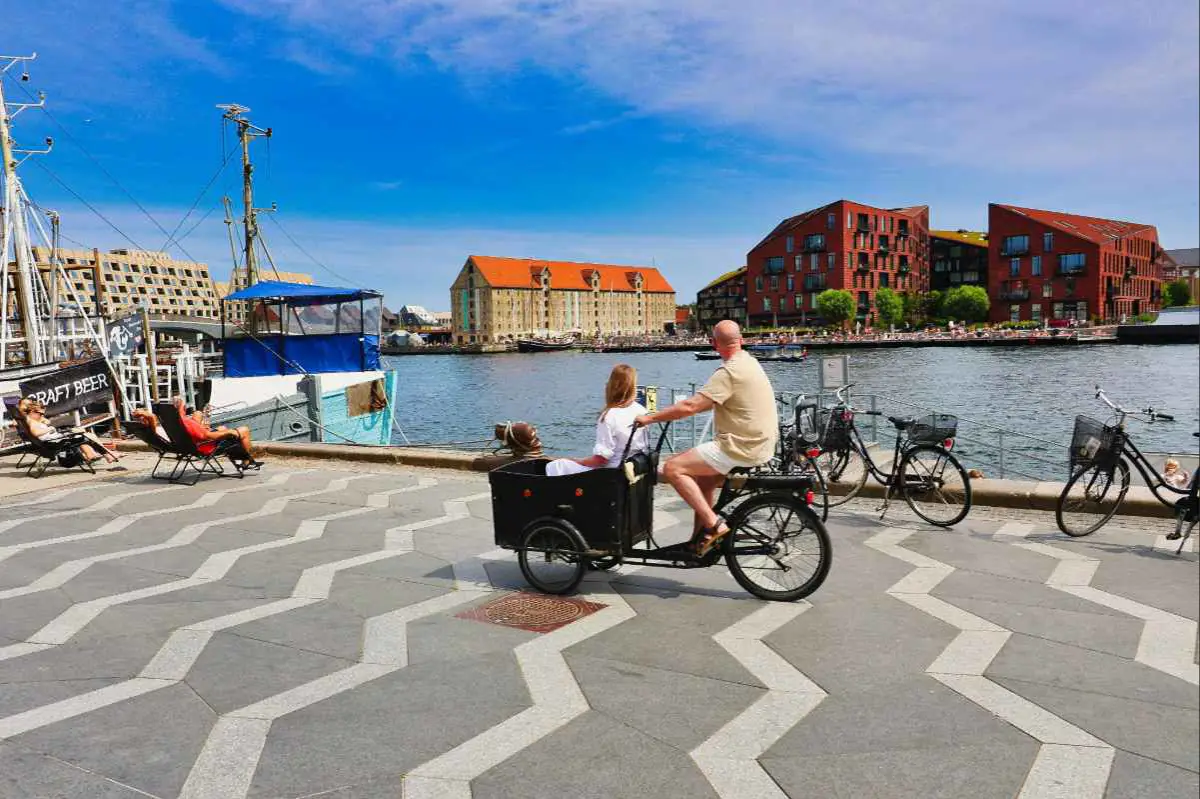
- Use public transport, cycle or walk. Reduce emissions by avoiding private cars and exploring cities on foot or by bike.
- Eat locally sourced food and support local farmers to reduce food-related emissions.
- Minimise waste by carrying reusable water bottles, bags and containers to avoid single-use items.
- Book direct routes: Non-stop flights and direct train routes save fuel and cut emissions.
- Pick low-impact activities. Enjoy walking tours, cycling and other non-motorised activities.
- Calculate and offset travel emissions. Use tools such as ICAO calculators and certified offset projects to make informed decisions.
1. Book carbon-neutral travel with offset programmes
Using carbon offset programmes is a practical way to offset the emissions from your travels, and some booking platforms such as Exploreo handle this automatically for you. They allocate funds to initiatives that either remove greenhouse gases or prevent their release while the platform integrates carbon offsetting into its booking system.
Exploreo is a good starting point, as the platform supports a range of high-impact projects, including tree planting, renewable energy development, forest conservation, and methane capture. These efforts tackle emissions and bring meaningful benefits to the communities involved, while making your booking simple.
2. Choose low-carbon transportation options
The way you travel can significantly affect your carbon emissions, but fortunately, many environmentally friendly travel options can help to reduce your environmental impact. Choose trains for journeys across Europe and even take advantage of night trains for longer journeys. Coaches and buses are budget-friendly, low-carbon alternatives, and they're a practical way to travel between cities and emit significantly less CO₂ than flying.
Electric vehicles are a great option for road trips, and with an ever-growing network of charging stations and an increasing reliance on renewable energy, hiring an electric car is an intelligent way to reduce your emissions.
3. Pack light to reduce fuel consumption
Not only is carrying extra weight a hassle, but it also increases fuel consumption and emissions, particularly when flying. Airlines, in particular, are greatly affected by baggage weight, as heavier baggage burns more fuel. Burning more fuel increases carbon emissions, but you can help reduce this by packing smartly. This also applies to trains and buses.
To help you lighten your load, choose versatile clothing that can be mixed and matched, so that one item can serve multiple purposes. Adjust your packing to suit the length and nature of your trip. Heading off for a quick weekend getaway? Stick to the essentials, and don't overpack.
4. Choose green-certified accommodation
Opting for eco-certified accommodation is one of the easiest ways to reduce your environmental impact while travelling. Hotels often use a lot of energy for heating, cooling, lighting, and water, but eco-certified lodgings actively minimise resource use and their environmental footprint.
Across Europe, there are several trusted eco-certifications to help you make more sustainable choices. One such certification is the EU Ecolabel, the official European Union label for environmental standards. This certification ensures reduced energy and water consumption, better waste management, lower transport emissions and minimised food waste. Impressively, there are over 800 EU Ecolabel-certified accommodation options available to travellers across Europe.
5. Use public transport and active travel
Using public transport, walking or cycling is an excellent way to reduce your carbon footprint and save money. These methods produce far fewer emissions per passenger than private cars and are good for your health, too! They also align perfectly with the other low-emission transport options we mentioned earlier.
Walking and cycling are especially impactful, as they produce zero direct emissions. Beyond the environmental and health benefits, active travel lets you discover hidden spots and experience local culture in ways that are impossible by car.

6. Eat local foods
The food choices you make while travelling can have a significant impact on your carbon footprint, since food production accounts for a large proportion of global greenhouse gas emissions. Meat and dairy products have a much larger environmental impact than plant-based alternatives, and out-of-season imported foods contribute to carbon emissions.
Using locally sourced ingredients helps to reduce emissions and ensures meals are fresher and more seasonal. When restaurants collaborate with nearby farms, they reduce transportation emissions by shortening supply chains.
Plant-based meals are another excellent way to reduce your environmental impact, as these dishes generally require fewer resources and generate fewer greenhouse gases. Even switching to more sustainable meats, such as chicken, can make a difference.
Many traditional cuisines naturally incorporate plant-based dishes that showcase local produce. For example, Lithuania is known for its pink beetroot soup, and Mediterranean regions are famous for their vibrant tomatoes and olives, which make dishes such as Greek salad.
Look for restaurants that prioritise farm-to-table practices or offer seasonal menus, as they are likely to use locally sourced ingredients. Another great way to discover seasonal specialities and support local farmers is to visit food markets and grocers in your area.
7. Minimise waste by ditching single-use items
Single-use items are a major contributor to waste and pollution. From production to disposal, these products leave behind a significant carbon footprint, and one way to reduce this impact is to replace disposables with reusable alternatives.
One sturdy stainless steel or glass bottle can replace many plastic ones during your travels, and if you're a coffee lover, a reusable cup is a great addition to your travel kit. Reusable shopping bags are another essential item, and opting for bags made from recycled materials adds an extra layer of eco-friendliness.
When it comes to meals on the go, reusable food containers and cutlery are a real game-changer. Collapsible silicone containers and durable utensils help you avoid wasteful takeaway packaging.
There are many items you can take, so make sure to choose multi-use ones, such as a water bottle, which is useful both in the mountains and in the city.

8. Book direct routes and avoid connections
As take-offs and landings are the most fuel-intensive parts of a flight, choosing non-stop flights can reduce your emissions by up to 63% compared to itineraries with multiple legs.
Direct flights also cover shorter distances. For example, a direct flight from Berlin to Barcelona (approximately 1,500 km) avoids the extra distance often added by connecting flights. This approach is ideal for reducing unnecessary, fuel-intensive travel processes.
The same logic applies to train travel. Trains already have a much smaller carbon footprint per passenger than planes, but direct high-speed services, such as Deutsche Bahn's ICE, save even more time and energy. Travel apps can help you identify routes with minimal transfers, making your journey smoother and more eco-friendly.
9. Choose low-impact, local activities
The activities you choose while travelling can significantly impact both your experience and your environmental footprint. Opting for low-impact, local activities reduces your carbon footprint and allows you to develop a deeper connection with your destination.
Walking tours and urban hikes are an excellent way to explore cities, allowing you to discover hidden neighbourhoods, admire unique architecture, and visit cultural landmarks without increasing greenhouse gas emissions.
Dive into local culture by visiting organic farms, local markets, or enjoying farm-to-table dining experiences. These are just some examples of community-based tourism that can have a lasting impact on you and the locals. Supporting smaller businesses and exploring local areas can provide an authentic experience while cutting your reliance on public transport.
Similarly, water-based activities such as canoeing or kayaking enable you to enjoy nature without incurring the environmental costs associated with motorised equipment.
When planning your trip, consider destinations that are car-free or easily accessible via public transport, bike-sharing schemes or on foot. Eco-tours and workshops, such as organic wine tastings or conservation-focused walks, offer meaningful experiences while keeping your environmental impact low.

10. Calculate and offset your trip's emissions
To understand the true environmental impact of your travels, you need to measure your emissions and take steps to reduce them. Calculating your trip's carbon footprint enables you to make informed choices about offsetting and contribute to meaningful environmental efforts.
To get started, gather all the details of your trip, such as flight and train routes, as well as any other modes of transport you might take. For example, you might take ground transport such as a rental car, taxi, train, or bus.
Next, use a trusted carbon calculator, such as those provided by ICAO or the UK government. These tools allow you to enter your specific travel routes and calculate your emissions, giving you a better understanding of your impact.
When it comes to offsetting, choose certified providers that adhere to standards such as the Gold Standard or the VCS. Look for projects that reduce emissions and provide additional benefits, such as renewable energy initiatives and wildlife conservation.
Platforms like Exploreo simplify the process for you by partnering with organisations such as Ecologi. These partnerships fund impactful projects, including tree planting, renewable energy development, forest protection, and methane capture. Offsetting through such platforms enables you to reduce emissions while contributing to social improvements.
Conclusion
Travelling with a lighter carbon footprint doesn't mean giving up the joy of exploring new destinations and having a great adventure. It's about making thoughtful decisions that help reduce the environmental impact of our adventures.
The ten strategies outlined here show that sustainable travel is both achievable and practical, and that it only takes a few adjustments to make a trip more eco-friendly. From using carbon offset programs and packing light to reduce fuel use to enjoying locally sourced meals on your journey, you can do so.
You may not realise it, but as a consumer, you can influence the tourism industry through your demand, and the more conscious you are about how you travel, the more the industry adapts. We are starting to see a shift towards sustainable travel, and you could be part of the movement by trying some of the strategies mentioned.
Exploreo is different from other travel platforms because we prioritise sustainable adventure travel. We provide eco-friendly accommodation and tours, and go the extra mile to offset the carbon emissions of your trip, making each trip carbon negative. This commitment to sustainability sets us apart from traditional travel platforms.
The first step to tackling emissions that can't be fully avoided is to cut down as much as possible by making thoughtful choices, such as opting for low-carbon transport options or staying in environmentally friendly accommodation. Once you have reduced your emissions as much as possible, you can offset the remaining amount by contributing to initiatives such as reforestation efforts or renewable energy projects.
For offsets to make a real difference, they must be additional, permanent and properly verified. This ensures they contribute to real, measurable change. Exploreo plays a part in this by planting trees and supporting projects that curb emissions and benefit local communities.
Focus on third-party-verified certifications rather than marketing claims, which are often unclear or exaggerated. Look for seals from reputable, independent organisations that thoroughly assess environmental practices. Be wary of generic terms such as 'eco-friendly' unless they are backed by proper certification. Specific labels or standards can confirm that the hotel adheres to recognised sustainability benchmarks.
A green travel kit typically includes a reusable water bottle, eco-friendly toiletries, a reusable shopping bag, reef-safe sunscreen, reusable cutlery, and digital travel documents to reduce waste and make travel more sustainable.
The best way to reduce carbon emissions in Europe is to make the most of alternative modes of transport, such as trains and ride-sharing. Consider a cycling holiday or hiking.
Carbon offset programs can help tackle climate change, but they work best when paired with direct efforts to cut emissions. Simply relying on offsets isn’t enough to fully address the environmental impact of human activities. That’s why reducing emissions at their source is so important.
For instance, using sustainable aviation fuels can help lower the carbon footprint of air travel. Switching to renewable energy sources such as solar or wind for homes and businesses is another significant step. At the individual level, choosing public transport, cycling, or driving an electric vehicle can make a substantial difference. Even everyday choices, such as buying locally produced goods or reducing meat consumption, can significantly reduce one’s carbon footprint.
Combining these practical actions with offset programs allows both individuals and organisations to play a stronger role in meeting global climate goals while supporting a more sustainable way of life.
Carbon offset programs face several hurdles that can weaken their role in addressing climate change. A key issue is that they might give polluters a free pass to continue emitting greenhouse gases without making genuine efforts to reduce emissions. Moreover, some programs exaggerate their environmental contributions or fail to ensure that their projects deliver lasting positive outcomes.
Another sticking point is the quality and transparency of certain carbon credits. Some programs lack oversight, raising doubts about their actual impact. There’s also the risk of harming local communities where these projects operate. In some scenarios, offsets don’t reduce emissions globally - they just move them around. These challenges make it clear how crucial it is to select trustworthy, thoroughly verified programs to ensure real, measurable progress in combating climate change.