


A new type of tourism is coming to Europe, where visitors can experience solar technology, explore repurposed industrial sites, and learn about energy systems while enjoying natural landscapes. Here's what makes these destinations appealing to curious travellers:
- Educational Tours: Guided visits explain solar energy, sustainable housing, and policies like feed-in tariffs.
- Nature Integration: Solar farms support biodiversity by creating habitats for wildlife, such as skylarks and lizards, and by using grazing animals to control vegetation.
- Community Impact: Many sites are community-owned and reinvest profits in local projects, such as bridges or museums.
- Recreational Activities: Cycling and hiking trails offer leisure options alongside energy education.
- Eco-Friendly Travel: Public transport, cycling paths, and e-bike rentals make visiting low-impact and simplify travel.
Germany is becoming a leading country with solar farms that showcase how renewable energy can blend with tourism, benefiting visitors, wildlife, and local communities alike. And many other countries in Europe are following in its path, creating tourism projects around wind farms and more.
Renewable energy: The Pioneers of Germany
Why Eco-Tourists Visit Solar Farms
Solar farms in Germany draw eco-tourists with their focus on renewable energy, educational experiences, biodiversity, and community-driven initiatives, and these sites offer more than just clean energy. They provide a window into sustainable living and environmental stewardship through tourism.
How Are Solar Farms Being Used For Guided Tours?
Solar farms across Germany are starting to host regular guided tours that showcase the ins and outs of renewable energy. For example, at the Schlierberg Solar Settlement in Freiburg, visitors can explore 59 PlusEnergy homes showcasing energy-efficient designs that generate more energy than they consume, achieving a CO₂-neutral footprint. During the tour, guides explain how these homes maintain a positive energy balance, offering a practical glimpse into sustainable architecture.
Another example is at the Straßkirchen Solar Park, where visitors can learn about Germany's feed-in tariff system, which has spurred the adoption of renewable energy and supported local economies.
For a more hands-on experience, farms like Biolandhof Braun allow guests to interact directly with farmers who integrate renewable energy into their daily operations, providing insights that extend beyond classroom learning and make sustainability tangible. Many sustainable projects now offer more options, and several European study tours provide an in-depth exploration of renewable energy systems.
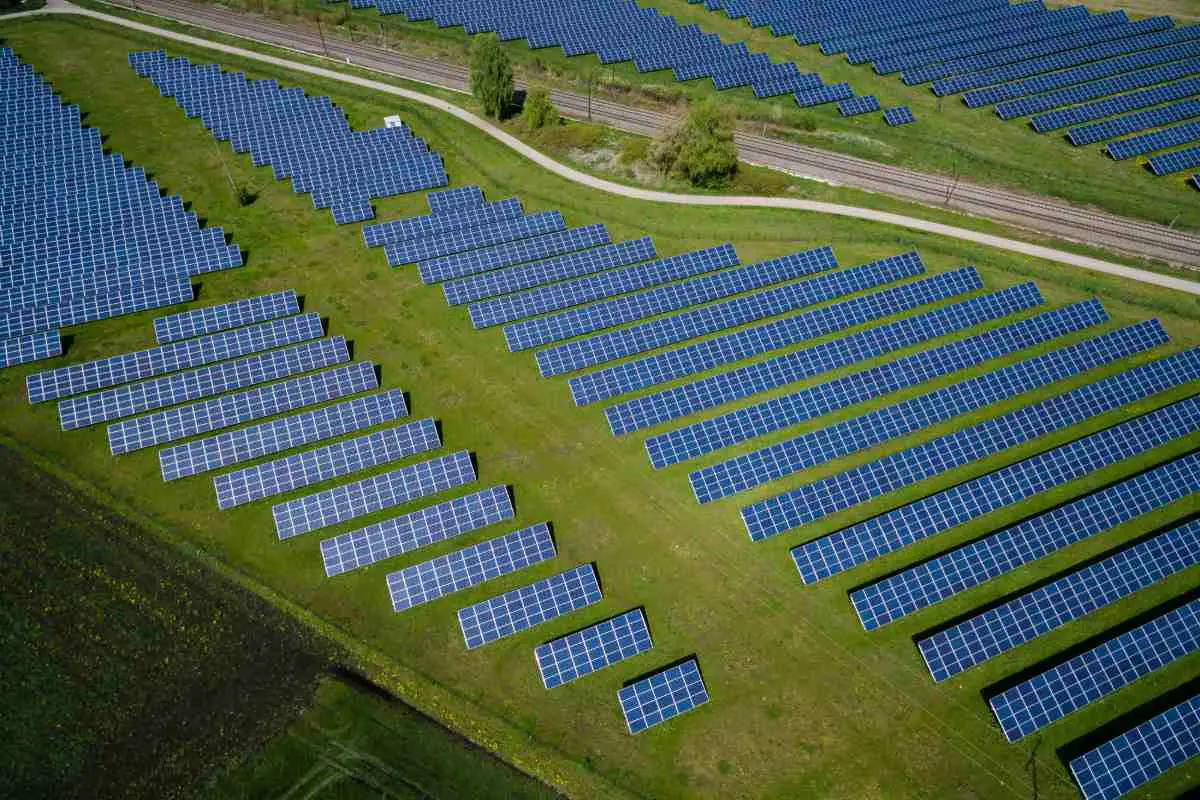
Wildlife Habitats and Landscape Features
Whilst it might sound more destructive than protective, many modern solar farms often serve as havens for biodiversity, blending energy production with ecological preservation. A great example of this is the 164-hectare park, the EnBW Werneuchen site in Brandenburg, which opened in November 2021. It includes 45 hectares of public pathways for hikers and cyclists and features native trees like maple, oak, and mountain ash, along with 16,000 bushes, creating habitats for wildlife such as foxes and rabbits.
The RWE Schönau Solar Farm in Saxony, which has been operational since February 2025, takes this concept further by supporting ground-nesting birds like skylarks and meadow pipits. There are multiple special features, such as deadwood piles and stone shelters, that provide habitats for sand lizards, and sheep graze between the solar panels to naturally maintain the meadows. These thoughtful designs turn former industrial sites into vibrant ecosystems for all to enjoy.
Local Community Benefits and Cultural Links
Solar farms not only benefit the environment but also create positive opportunities for local communities and cultural projects. Another example in Germany is Mörsdorf, where renewable energy projects have had a lasting impact, and income from wind and solar energy developed by ABO Energy helped fund the construction of the Geierlay Bridge, Germany's longest suspension rope bridge, which opened in 2015. Funds from the project also helped revitalise the local history museum by introducing the "energy stories" walking route, which highlights the village's journey toward renewable energy.
This is just one example of solar farms becoming a unique part of communities that need extra financial support, and of how tourism can positively contribute to local communities.
Planning Your Visit
When planning your ecotourism trip, use specialised guides and energy provider maps to ensure a smooth and enriching experience. These resources not only help you explore renewable energy sites but also contribute to the sustainability of your journey.
It can be challenging to know where to begin when looking into solar farm tourism, but the guidebook Baedeker Deutschland: Erneuerbare Energien erleben features 190 "Energiewende" excursions across Germany, making it an excellent starting point for your plans. Likewise, major energy providers such as RWE and EnBW offer online maps showcasing their renewable energy installations, complete with technical details and visitor information,o and as renewable energy tourism grows across Europe, it is possible to find more projects. There are now several boat tours in areas with wind farms, offering an alternative tourist attraction to a renewable energy site.
Finding Tours and Following Safety Rules
Booking guided tours in advance is a smart move to ensure safety and access to key areas. Many sites offer free guided tours, but specialist operators also provide in-depth tours that are sometimes focused on cycling or hiking.
As these are often industrial areas, it is important to go with a guide rather than go alone.
Getting There by Public Transport or Bicycle
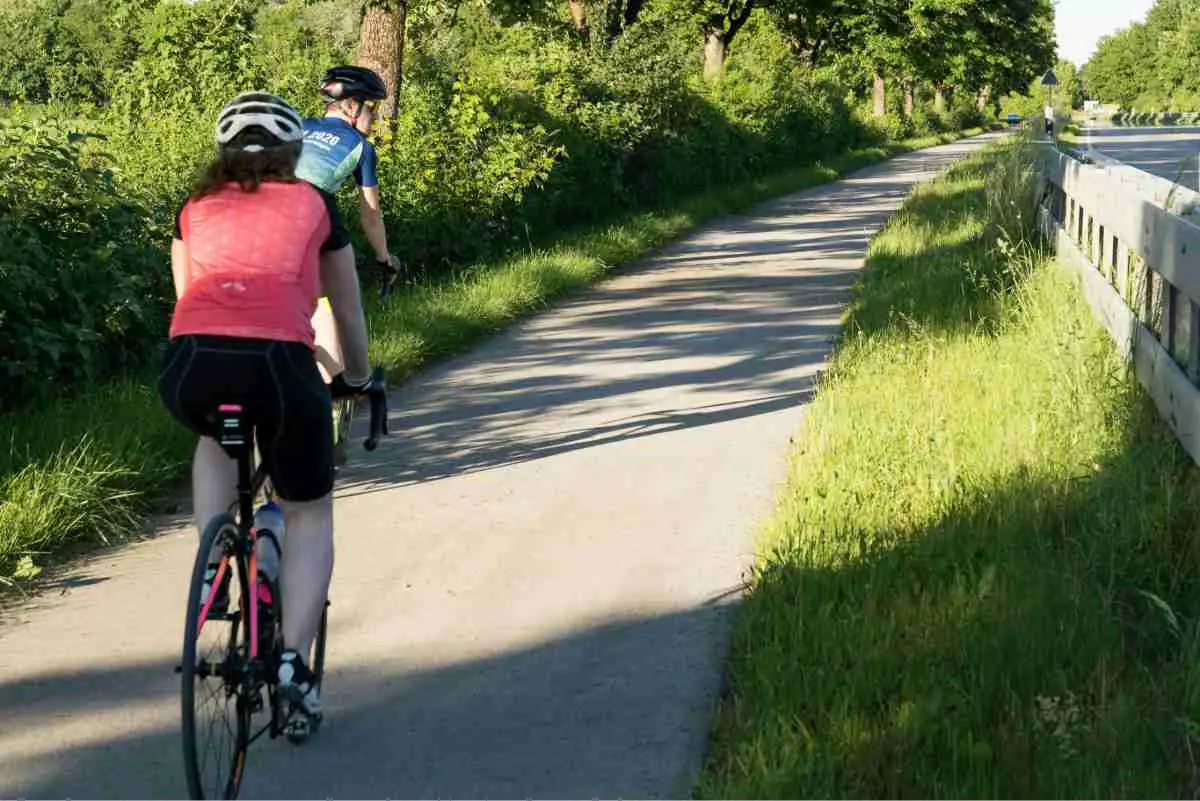
Many renewable energy sites are easily accessible by regional trains and buses, and cycling is another excellent way to reduce your carbon footprint while exploring. It is a great idea to consider how you will get to your chosen destination or tourist site. If you need to drive, consider renting an electric vehicle to help reduce your emissions.
Learning About Energy Output and Community Impact
Once you arrive at a site, take the opportunity to dive into the numbers and learn about the impact of renewable energy for the country you are visiting. Many European countries are turning to green energy, whether through wind, wave, or solar power, and your tour guides will likely be enthusiastic about sharing statistics with you.
Solar farms bring three standout advantages to communities: they provide hands-on education about renewable energy for locals and tourists, they boost rural economies, and they promote community-driven energy independence. They are also becoming safe havens for wildlife and rewilding projects, boosting species populations and habitats across Europe.
When planning your trip, remember that how you travel matters as much as where you go. Opting for low-impact transportation, such as cycling or e-bikes, can make a difference. For longer journeys, you can offset your travel emissions through platforms like Exploreo.com, which fund initiatives such as tree planting, renewable energy projects, and methane-capture programs to deliver measurable environmental benefits.
Solar farms that embrace a nature-friendly design take deliberate steps to safeguard and enhance local wildlife habitats. For instance, areas around the site are often planted with native wildflowers, hedges, and bushes, providing shelter and food for insects, birds, and small mammals. Solar panels are typically installed on elevated structures, allowing vegetation to grow naturally underneath and giving larger animals the freedom to roam.
To keep environmental impact to a minimum, regular ecological monitoring programmes are conducted. These programmes monitor biodiversity and track population changes, allowing adjustments to management when necessary. Wildlife corridors are also incorporated into the layout, ensuring animals can move through the area safely. Additionally, anti-reflective coatings on solar panels help minimise risks to birds.
Solar farms bring notable economic advantages to local communities. For landowners and farmers, leasing agreements offer a dependable source of income that can help alleviate poverty, particularly in rural areas. Beyond that, the development, installation, and upkeep of these solar farms generate local employment opportunities. The renewable energy they produce can also help lower electricity costs for residents.
Interestingly, solar farms are becoming popular tourist attractions, boosting local tourism. Visitors are drawn to guided tours, educational centres, and nearby businesses such as cafés and souvenir shops, all of which benefit from increased foot traffic. This trend, often referred to as "energy transition tourism", adds to a country’s tourism revenue.
Travelling sustainably doesn't have to be expensive. Choosing trains or coaches instead of flights, staying in locally owned accommodation, travelling during the off-season, using public transport, carrying reusable water bottles and shopping bags, and eating at local restaurants can often save money while reducing your carbon footprint.
Sustainable tourism involves travelling in ways that minimise environmental impact while supporting local communities and preserving cultural heritage. This includes choosing eco-friendly accommodation, reducing waste, respecting wildlife, using public transport, supporting local businesses, conserving water and energy, and following responsible travel guidelines at your destination.
Yes, electric vehicles (EVs) generally produce lower greenhouse gas emissions than petrol or diesel cars, especially when charged using renewable electricity. While long road trips may require additional charging stops, improved charging infrastructure is making EV travel increasingly practical and environmentally friendly.
You can calculate your travel carbon footprint using online carbon footprint calculators. These tools estimate your emissions based on factors such as your mode of transport, travel distance, accommodation, and activities. Many calculators also allow you to compare different travel options, helping you make more sustainable choices before you book.
Walking and cycling are the most environmentally friendly ways to travel because they produce virtually no carbon emissions. For longer journeys, trains are generally the most sustainable option, followed by coaches and buses. If flying is unavoidable, choose direct flights, fly economy, and consider offsetting your emissions through certified carbon offset programmes.
In many cases, driving can produce fewer emissions than flying, particularly if you're travelling with several passengers in one vehicle. However, trains are often the most environmentally friendly option for short and medium-distance journeys. Whenever possible, compare transport options before booking to find the most sustainable choice.