


This guide highlights several activities that prioritise low-carbon travel, support local communities, and preserve natural landscapes in Germany to help you plan a sustainable trip.
- Offset your trip's emissions with Exploreo's built-in tools.
- Hike in Berchtesgaden National Park with local guides.
- Cycle the Danube Cycle Path for a scenic, low-impact adventure.
- Try forest bathing in the Black Forest for a relaxing nature experience.
- Stay at organic farms (Biohöfe) to support green farming and local economies.
- Support local by shopping at Germany's weekly farmers' markets for fresh, regional produce.
- Join eco-themed walking tours in Berlin to learn about green initiatives.
- Explore Hamburg using its public transport system, including ferries.
- Visit car-free North Sea islands to enjoy unspoiled coastal beauty.
- Participate in wildlife monitoring projects to aid conservation efforts.
Germany's efficient public transport, eco-certified accommodations, and protected natural areas make it easier than ever to travel responsibly, no matter what type of break you desire. From hiking to cycling, or simply enjoying a city break, every trip can be enjoyed all while contributing to a greener journey.
Offsetting Trip Emissions with Exploreo
Every trip we take leaves behind a carbon footprint, but carbon offsetting offers a way to turn that impact into meaningful support for projects aimed at reducing greenhouse gas emissions.
Exploreo takes care of this automatically by calculating the emissions from your travel and offsetting them. This is done through initiatives like tree planting and investing in impactful carbon removal projects, in collaboration with organisations such as Ecologi. So when you book with Exploreo, you don't need to think about calculating the carbon offset for your accommodation or activities.
Reducing Your Environmental Impact
By supporting and funding projects that actively put the environment first and reduce or prevent CO₂ emissions, you are contributing to a greener future. There are many apps and tools for those curious about their travel footprint. These apps can provide detailed estimates based on your mode of transport and travel distance. With Exploreo, this process is simplified: offsetting is seamlessly integrated into your booking, and there is no need for extra calculators or separate platforms; it's all handled for you. This approach not only offsets emissions but also encourages travellers to consider more sustainable travel options.
Supporting Low-Carbon Travel
Germany's extensive rail network is one of the best in Europe, with high-speed trains connecting major cities and making it easier to choose sustainable alternatives over flights or car journeys. Trains and buses are a practical way to lower your travel emissions. If you choose to offset your travels, this complements the efforts of using public transport, ensuring that even unavoidable emissions are addressed.
Making Smarter Travel Decisions
Exploreo's built-in offsetting feature makes it easier to align your travel with sustainable values, which helps travellers tackle one side of greener travel. Making informed, responsible travel choices that support both the environment and local communities can easily be done by changing habits. While reducing emissions at the source remains crucial, integrating offsetting into your travel routine is a step towards taking responsibility for your footprint. With Exploreo, every journey becomes an opportunity to contribute to projects that protect the planet.
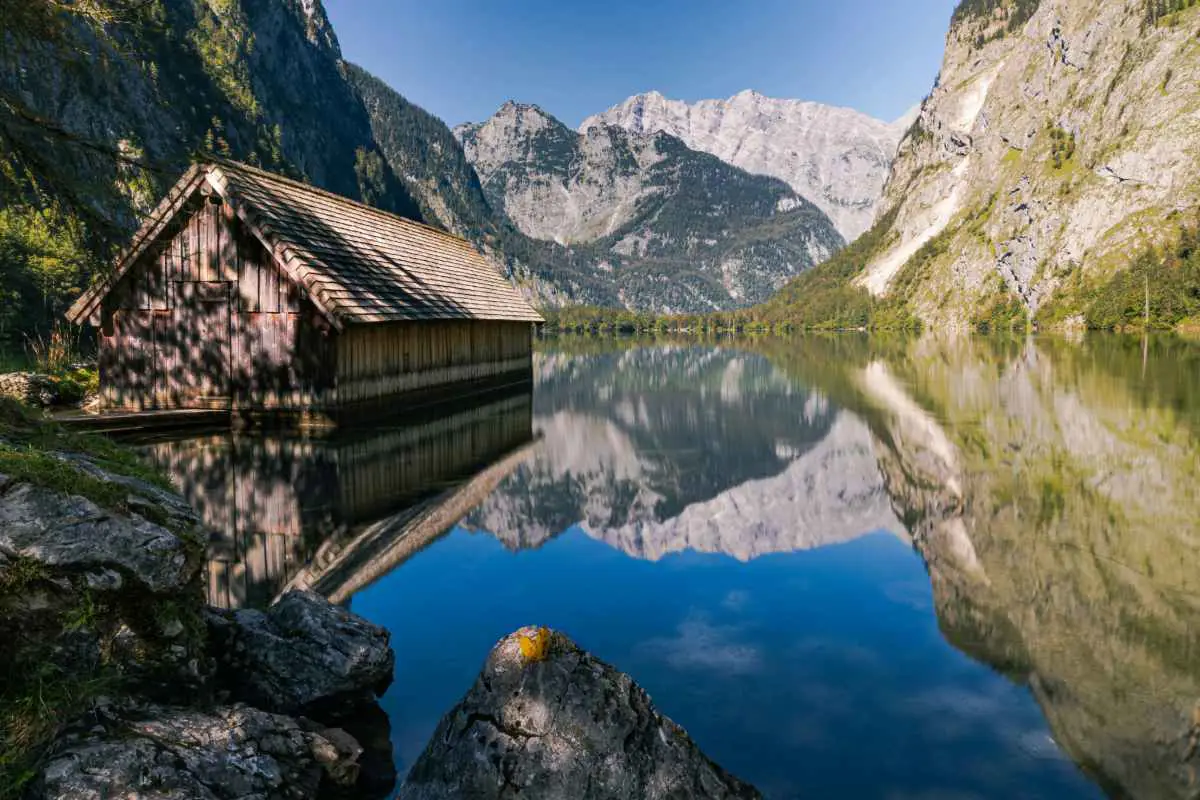
Guided Hiking in Berchtesgaden National Park
A great way to experience the mountains in Germany is through a guided hike, and one of the top places to do this in the Bavarian Alps near the Austrian border is Berchtesgaden National Park. The park offers breathtaking alpine landscapes perfect for eco-conscious adventurers. Not only do guided hikes immerse you in nature, but they also support conservation efforts and promote preservation of local traditions.
Deepening Your Connection to Nature and Heritage
Joining a guided hike provides an opportunity to learn whilst being outdoors and exercising. Local guides share captivating stories about the region's geological evolution, unique plants and wildlife, and age-old traditions. Their insights help you understand the landscape, the history and culture of those who settled for hundreds of years. By creating a deeper connection, it could inspire visitors to promote this form of sustainable tourism.
Treading Lightly on the Environment
Most hiking etiquette follows a "leave no trace" philosophy, keeping to designated trails to protect fragile ecosystems,s and this is especially promoted through guided hikes. If you are new to hiking or looking for an adventure that pushes you out of your comfort zone while having a positive impact, then a guided hike could be a great option for you.
A Low-Carbon Adventure
Reaching Berchtesgaden is simple and eco-friendly, thanks to Germany's excellent public transportation system,tem and even once you are there, hiking becomes a sustainable way to explore, keeping your environmental impact to a minimum while enjoying the fresh mountain air.
Supporting the Local Economy
You may not realise it, but by hiring a guide, your adventure is having a greater impact than just taking part in a green activity. By choosing local guides, you help sustain small businesses and strengthen community efforts that prioritise both cultural heritage and environmental care.
Cycling Along the Danube Cycle Path
If you enjoy being outdoors,oors then cycling is an exciting and sustainable way to explore Europe, and the Danube Cycle Path offers a perfect route for eco-conscious travellers. Stretching through Germany as part of the EuroVelo network, this long-distance path takes you through breathtaking landscapes while keeping your carbon footprint low. The Danube cycle path is just one example of where tourism is more localised, with charming guesthouses, regional restaurants, and local markets. Visiting places that are off the beaten track can provide more opportunities to make eco-conscious decisions that support local businesses than visiting some of the world's top destinations.
EuroVelo has an extensive network across Europe, encouraging visitors to take a less trodden path to explore some ofEurope'ss most wonderful places.
Forest Bathing in the Black Forest
Forest bathing, known as Shinrin-yoku in Japan, has found a welcoming home in Germany's Black Forest. This mindful practice encourages slow, intentional walks through the woods, and the Black Forest, with its sprawling 6,000 km² of lush landscapes, is the perfect backdrop for this calming and eco-conscious activity.
A Gentle Approach to Nature
Forest bathing is as simple as it is serene,e and by walking along designated trails at a relaxed pace, you can enjoy the soothing atmosphere of the forest. The benefits are that it can be done without disrupting local wildlife. It is simultaneously a low-impact approach to travel that generates no emissions or waste.
Boosting Local Economies
Engaging in forest bathing also supports the local community as guided tours often involve local experts and wellness practitioners. In these more remote areas, nearby guesthouses, restaurants, and shops benefit from the influx of mindful travellers. This form of tourism strengthens regional economies without the need for large-scale developments, making it a win-win for both visitors and locals.
Farm Stays at Organic Biohöf's
Organic farm stays offer a unique way to experience the country's agricultural roots while embracing eco-friendly travel, ranging from cosy family-run farms to certified Bio Hotels and providing a refreshing alternative to standard accommodations.
Minimises Environmental Impact
Organic BBiohöfefollow strict guidelines to ensure sustainability at every level.
"The requirements for this certification are strict: for example, all food served has to be organic, the electricity supply has to be 100% green, the bathroom cosmetics need to be natural and heating should come from heat pumps or similar." – Wanderlust Magazine.
Some farm stays, such as Berghotel Rehlegg in Berchtesgaden, prioritise locally sourced, organic foods. But other locations, such as Bio Hotel Schlossgut Oberambach on Lake Starnberg, operate as climate-neutral properties, powered by renewable energy and serving exclusively organic meals.
Some farms in the Freiburg area go a step further by using anaerobic digesters to turn waste into biofuel, showcasing how waste can become a resource. For those seeking something more rustic, the "hay hotels" (Heuhotels) offer straw beds, a hit with hikers and cyclists looking for sustainable yet simple accommodation with a traditional feel.
Supporting Local Communities and Economies
Most farm stays are family-operated, meaning your stay directly contributes to the local economy, and this setup fosters closer connections between visitors and residents, strengthening tourism in the region.
Many Biohöfe also prepare meals using ingredients sourced from nearby farms, creating a more sustainable supply chain that benefits local food producers and discourages buying from supermarkets.
Encouraging Cultural and Ecological Education
Farm stays go beyond offering a place to sleep for your weekend away, as they provide hands-on experiences that teach visitors about sustainable agriculture and local traditions. Guests can take part in activities such as foraging, organic farming workshops, or even joining in on daily chores. All the above provide guests with a chance to gain a deeper appreciation for eco-conscious living in Germany.
These experiences transform abstract sustainability concepts into real-life lessons, leaving visitors with practical insights they can carry home.
Shopping at Weekly Farmers' Markets
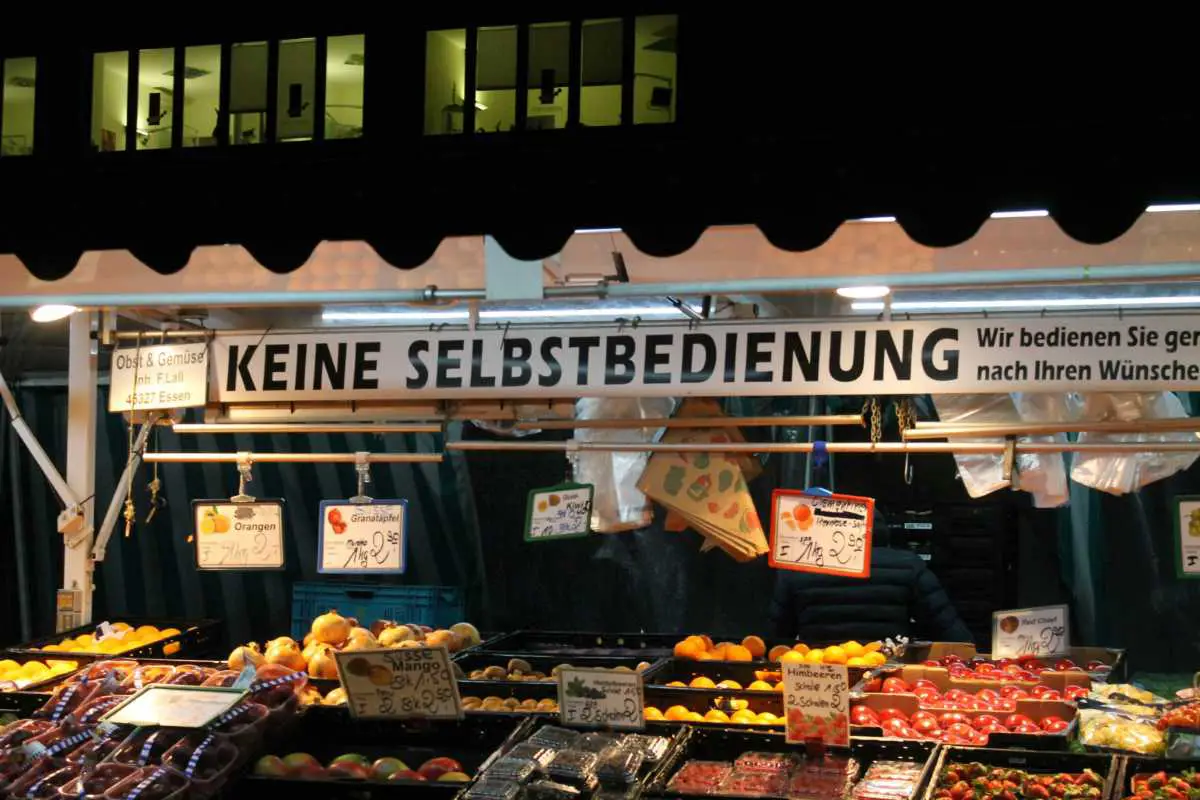
Germany's weekly farmers' markets, or Wochenmärkte, are a fantastic way for eco-conscious travellers to dive into local life while making thoughtful, sustainable choices. These bustling markets, found in towns and cities across the country, showcase fresh, regional produce straight from local growers. Sample local favourites while doing good.
Reduces Environmental Footprint
Unlike supermarkets, where produce is often wrapped in layers of plastic and grown on large-scale farms, farmers' markets offer fruits and vegetables in their natural, unpackaged state. Often promoting seasonal produce that is farmed sustainably is another benefit to purchasing fresh fruits and vegetables at farmers' markets.
Boosts Local Communities and Economies
The best thing about shopping at farmers' markets is that the profit goes directly to the farmers and producers, strengthening local economies while helping to preserve traditional farming methods. Often, the person selling you the goods is the same one who grew or made them, creating a personal connection that supermarkets simply can't replicate and a unique holiday experience. Foster Cultural and Ecological Understanding
Farmers' markets are more than just places to shop, as they are often vibrant hubs for cultural exchange, perfect for tourists. Chatting with vendors can give you a glimpse into local agricultural practices, seasonal eating habits, and unique regional specialities,s which promotes cultural exchange.
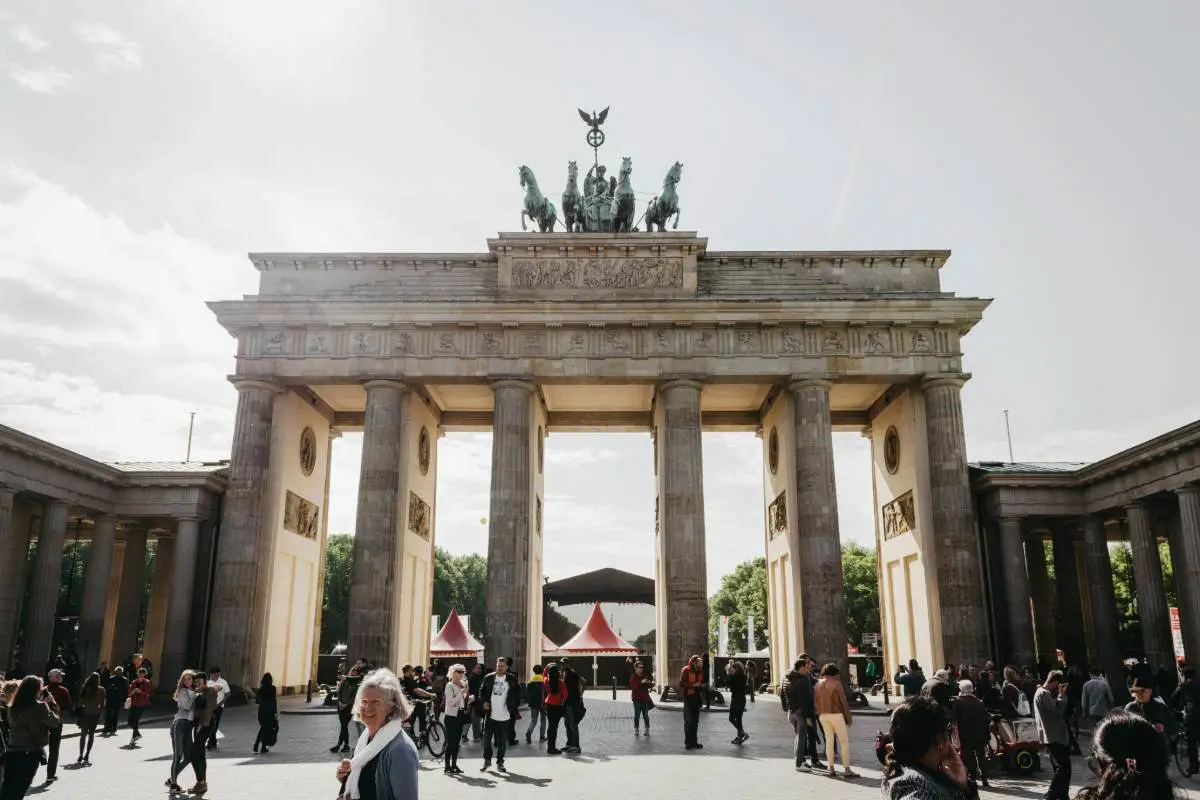
Eco-Themed Walking Tours in Berlin
As one of Europe's major capital cities, Berlin has recently started to offer eco-themed walking tours that blend the city's rich history with its commitment to sustainable practices. These creative tour options take visitors on a new journey that goes beyond traditional sightseeing. Weaving together stories of Berlin's past with its current ecological efforts creates a way to explore the city's landmarks while gaining a deeper understanding of its approach to sustainability.
A Focus on History and Sustainability
While the eco walking tours tend to focus on eco efforts, many of the destinations visited are iconic locations in Berlin, such as the East Side Gallery, displaying remnants of the Berlin Wall. Some tours, especially multi-day experiences, guide participants through famous spots like the Brandenburg Gate, Checkpoint Charlie, and the Reichstag. The guides often touch on Berlin's environmental policies and green urban projects, offering a fresh perspective on how the city integrates its historical identity with modern ecological goals.
Exploring Hamburg by Public Transport
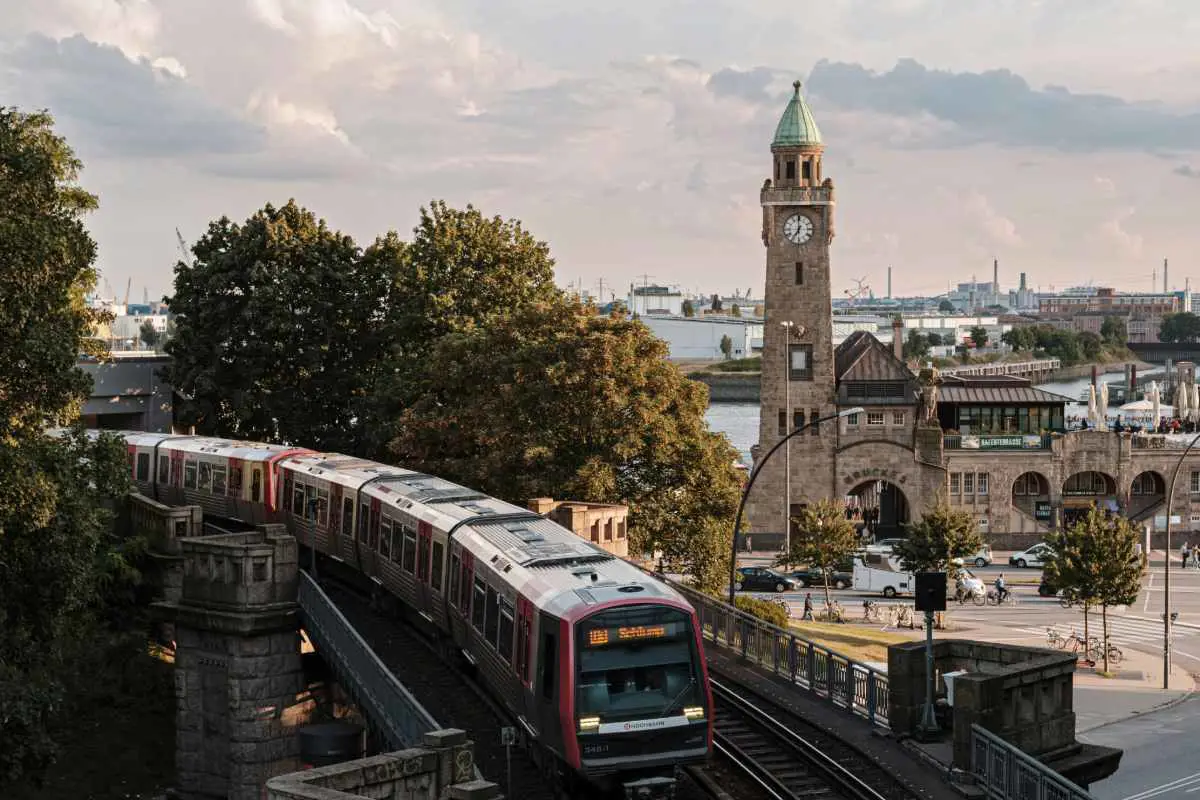
Hamburg boasts a well-connected public transport system that seamlessly integrates buses, the U-Bahn (underground), the S-Bahn (suburban trains), and ferries. This network not only makes getting around the city easy but also offers a more eco-conscious way to explore a broader area.
Reducing Environmental Impact
Although it might not be your first choice, opting for public transport is a smart way to cut down on emissions. Germany offers affordable day tickets that grant unlimited travel across central zones, making it very economical for travellers who want to cut their emissions. This applies to most cities in Germany, as public transport is efficient and sometimes subsidised during peak travel season to discourage visitors from using their own vehicles.
A Scenic and Convenient Way to Travel
Hamburg's public ferries are part of the HVV network, which provides a unique way to cross the Elbe River while enjoying stunning views of the harbour. The U-Bahn and S-Bahn systems connect you to major attractions like the historic Speicherstadt, HafenCity, and the iconic Elbphilharmonie.
Experience Local Life and Nature
Travelling by public transport offers the chance to experience the city's daily rhythm and observe life in its diverse neighbourhoods. Additionally, public transport makes it easy to reach Hamburg's green spaces, creating the perfect afternoon away from the hustle and bustle of the city.
Visiting Car-Free North Sea Islands
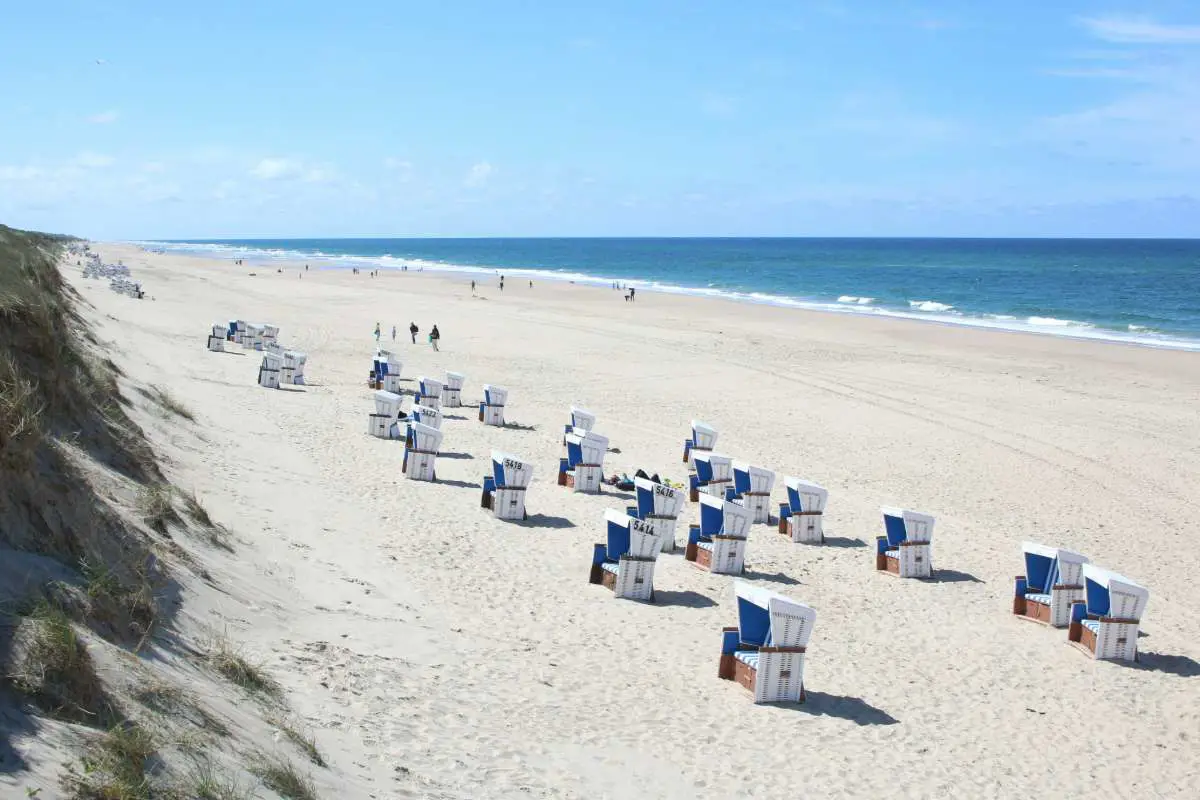
Germany's North Sea islands, which include parts of the Wadden Sea National Park, a UNESCO World Heritage Site, have embraced a car-free policy to encourage tourism that respects the environment. Without private cars, visitors can immerse themselves in the natural beauty of these islands while contributing to more community-focused benefits for travellers.
Cutting Emissions
Thanks to its no-vehicle policy, carbon emissions are significantly reduced on the island,d and visitors are encouraged to explore the island on foot or by bicycle. By creating convenient green ways to get around, it is not discouraging tourism, but making sure nature comes first. This slower pace also allows them to enjoy the stunning coastal scenery and tidal flats while leaving a minimal ecological mark.
Strengthens Local Communities
This tourism model directly supports the island communities as visitors are steered toward a slower-paced visit, staying in small, family-operated guesthouses, and eating locally. By operating in this way, it directly benefits local communities and those living on the islands.
Encouraging Sustainable Exploration
Well-maintained walking trails and bicycle rentals make it easy to explore without harming the environment. For those needing to move luggage or travel further, traditional options like handcarts or horse-drawn carriages are available, staying true to the islands' car-free ethos and honouring its traditions.
Participating in Wildlife Monitoring Projects
Wildlife monitoring projects offer a unique way to support conservation efforts while immersing yourself in nature; these initiatives allow travellers to go beyond being passive observers by working directly with researchers and conservationists.
A Learning Experience with Ecological Insights
Having an educational adventure will most likely give you hands-on experience with species identification and data collection techniques, learning about local wildlife and the challenges they face. Across Germany, these projects provide a practical understanding of ecological systems, making your participation both meaningful and enriching.
Low-Impact Activities with a Focus on Sustainability
Wildlife monitoring activities typically involve following designated trails, observing quietly, and using non-invasive methods to record data. The information collected plays a key role in long-term conservation efforts, helping scientists protect the natural environment further.
Comparison Table: Low-Carbon Urban Mobility Options
Urban Mobility Options at a Glance
|
Transport Method |
Carbon Impact |
Typical Cost |
Best Use Cases |
Accessibility |
|
Walking |
Zero emissions |
Free |
Short distances; exploring neighbourhoods |
Dependent on physical ability and weather |
|
Cycling |
Very low (minimal lifecycle impact) |
Low (via bike-sharing schemes) |
Moderate distances; urban commuting |
Requires cycling infrastructure |
|
Public Transport |
Low emissions per passenger |
Varies (affordable with passes/subscriptions) |
Longer journeys; cross-district travel |
Extensive in cities; schedules may vary |
|
Electric Car-Sharing |
Lower than conventional cars |
Higher cost per trip |
Transporting luggage; late-night travel |
Availability depends on location |
For the most effective way to have a greener adventure, it is best to combine a selection of the above so you make sure you are doing the best you can to reduce your negative impact and emissions.
What Eco-Friendly Activity Will You Join Next?
Eco-friendly activities not only provide an enriching experience that is deep-rooted in culture and history, but they also help you reduce your environmental impact while connecting you with local communities. Opting for low-carbon transport, exploring nature, and supporting local businesses can make your trips more meaningful and immersive.
Germany makes it easier to embrace these choices with its well-developed infrastructure and sustainability-focused policies. With over 2,100 certified eco-friendly accommodations and 6,000 public water refill stations, Germany is a leading country with eco-friendly options. Additionally, Germany's goal by 2030 is to use around 80% renewable electricity.
From forest bathing in the Black Forest to participating in wildlife monitoring projects, the activities mentioned in this guide offer practical ways to enjoy nature while minimising your impact. These experiences not only create lasting memories but also benefit your health and contribute to a more thoughtful approach to travel across Germany. Even when emissions can't be fully avoided, small actions can complement your overall commitment to sustainable travel.
For those unavoidable emissions, Exploreo's offsetting service allows you to make your trip climate-neutral. As you plan your next adventure in Germany, consider incorporating these eco-friendly practices: bring a reusable water bottle, map out routes using public transport, shop at local markets, and offset any remaining emissions. Every decision counts, helping to protect the places you love for generations to come.
Exploreo is different from other travel platforms because we prioritise sustainable adventure travel. We provide eco-friendly accommodation and tours, and go the extra mile to offset the carbon emissions of your trip, making each trip carbon negative. This commitment to sustainability sets us apart from traditional travel platforms.
No, there is no extra cost for carbon offsetting when you book through Exploreo. The platform includes free carbon offsetting as part of its commitment to sustainable travel.
Exploreo offers a wide range of adventure experiences including trekking, safaris, skiing, snowboarding, mountain biking and more. Our focus is on sustainability to ensure eco-friendly adventures for all.
Exploreo's partnership with Ecologi for tree planting and sustainability projects demonstrates our commitment to long-term environmental sustainability. We aim to offset more carbon than our operations emit, contributing to a greener future.
Exploreo works with certified tour operators and accommodation partners that adhere to sustainable practices. We prioritise partnerships that share our commitment to environmental responsibility.
The first step to tackling emissions that can't be fully avoided is to cut down as much as possible by making thoughtful choices, such as opting for low-carbon transport options or staying in environmentally friendly accommodation. Once you have reduced your emissions as much as possible, you can offset the remaining amount by contributing to initiatives such as reforestation efforts or renewable energy projects.
For offsets to make a real difference, they must be additional, permanent and properly verified. This ensures they contribute to real, measurable change. Exploreo plays a part in this by planting trees and supporting projects that curb emissions and benefit local communities.
The best way to reduce carbon emissions in Europe is to make the most of alternative modes of transport, such as trains and ride-sharing. Consider a cycling holiday or hiking.