


Here are some of the key areas covered in the article:
- Packing essentials: Bring reusable items such as a water bottle, cutlery, cloth bags and solid toiletries.
- Green transport: Use train networks, bike-friendly routes, or electric car-sharing services.
- Eco-friendly accommodation: Look for hotels with certifications such as Green Key or EU Ecolabel.
- When dining and shopping: Use refillable containers, choose tap water, and shop at farmers' markets or zero-waste stores.
- Carbon offsets: Use platforms such as Exploreo.com to offset unavoidable emissions.
Even small changes, such as using reusable items, reducing single-use plastics, and supporting green businesses, can have a significant impact.
Guide to Sustainable Travel: What to Pack, Zero Waste Essentials & More
What to Pack for Zero-Waste Travel
A well-thought-out zero-waste travel kit will make things simple while meeting all your needs. Start with a stainless steel water bottle for versatility. You can also use it to store snacks or even as a coffee thermos. Bring along some reusable cutlery made from bamboo or stainless steel. A compact set containing a fork, knife, spoon and chopsticks can easily replace disposable utensils.
Cloth shopping bags are also essential. Pack at least two: a sturdy canvas tote for heavier items, and a lightweight bag for fruit and vegetables. In Europe, many stores charge for plastic bags, so bringing your own reduces waste and saves you money.
Glass or stainless steel food containers are another essential item. They're perfect for takeaways, leftovers, and buying goods in bulk. Choose containers with secure, leak-proof lids to avoid spills.
A reusable coffee cup with a tight-fitting lid keeps your drink warm and prevents mess. Plus, many cafés offer discounts if you bring your own cup. To make packing easier, consider collapsible designs or ceramic and bamboo options for better insulation.
Don't forget reusable straws made from materials such as stainless steel, bamboo or silicone. Most come with cleaning brushes and compact cases that fit neatly in your bag.
By focusing on these essentials, you can travel light while being prepared for a zero-waste adventure.
How to Pack Light and Reduce Waste
Once you have gathered everything you need, it is time to streamline your items. Choose multipurpose items to reduce bulk. For example, a sarong or large scarf can be used as a towel, blanket, pillow or makeshift privacy screen, all rolled into one lightweight item!
Choose clothing made from natural, odour-resistant fabrics. These materials let you wear items several times before washing. Quick-drying fabrics are another smart choice as they can easily be washed in a sink and dried overnight. This reduces the need for laundry services, which often involve excessive packaging or harsh chemicals.
Stick to one pair of versatile, durable shoes that can handle a variety of activities. Use packing cubes made from recycled materials to keep your luggage organised. These maximise space and eliminate the need for single-use plastic bags.
Waste-Free Personal Care Items
You can also make your personal care routine more environmentally friendly. Solid toiletries, such as shampoo and conditioner bars and soap, are an excellent choice. They last longer than liquid products, come without plastic packaging, and are easy to take through airport security.
To further reduce plastic waste, switch to a bamboo toothbrush and consider using tooth powder or tablets instead of traditional toothpaste tubes. These alternatives are compact and packaging-free.
Multipurpose oils, such as jojoba or argan oil, can simplify your skincare routine. Use them as a moisturiser, make-up remover and hair treatment — all from one small bottle!
If you're planning to go camping or visit remote areas, pack biodegradable soap. This is kinder to the environment and safer for natural water sources, even in urban areas.
Keep everything organised in a washable toiletry bag made from canvas or recycled materials to avoid disposable plastic alternatives. By making these changes, you can maintain a waste-free personal care routine without compromising on convenience.

Green Transport and Places to Stay
Your choices about how you travel and where you stay can significantly affect waste reduction and environmental protection. Every decision you make, such as choosing to travel by electric train or staying in a hotel committed to green practices, can help lower your environmental impact.
Just as careful packing reduces waste, thoughtful travel decisions can also reduce your carbon footprint.
Low-Impact Transport Options
Using public transport, such as trains and buses, to travel around Europe can reduce your carbon emissions compared with flying. You should also consider the EuroVelo cycling network and other human-powered travel options. Many European countries are investing in infrastructure to encourage electric vehicles, such as installing more charging stations.
How to Find Green Hotels
The accommodation you choose can significantly impact your travel experience and help make it more environmentally friendly. When searching for somewhere to stay, look out for certifications such as the EU Ecolabel or the Green Key. These labels indicate that the property prioritises sustainability, focusing on energy efficiency, water conservation, waste management, and sourcing local products.
Many eco-friendly hotels go the extra mile by installing renewable energy systems, using water-saving fixtures, and providing thorough recycling programmes. Some even reward guests who choose eco-friendly travel, helping achieve zero-waste goals.
Eating and Shopping Without Waste
Just because you're travelling doesn't mean you have to abandon your zero-waste lifestyle. In fact, with the growing number of package-free shops, it's easier than ever to eat and shop sustainably. Whether you're sampling local cuisine or picking up souvenirs, you can stick to your waste-free goals while experiencing authentic European culture.
A little preparation and knowing where to go can make all the difference. By adopting a few simple habits and familiarising yourself with local practices, you can enjoy waste-free dining and shopping throughout your trip.
How to Dine Out Without Creating Waste
Although Europe's dining culture is adopting more environmentally friendly practices, you can still reduce waste when eating out. For instance, it's a good idea to carry a collapsible container for leftovers—most restaurants will gladly let you take them.
Many restaurants, particularly in rural areas such as Bavaria, the Alps, and along the coast, prioritise using locally sourced ingredients. Biergartens, farm-to-table restaurants, and farms are great options.
Another tip: opt for tap water instead of bottled water. Most European tap water meets high standards and is perfectly safe to drink. Some restaurants provide it for free, while others may charge a small fee of €1–2.

Supporting Local Green Businesses
Many eco-conscious businesses make sustainable travel easy. Many companies prioritise environmental and social responsibility, particularly those certified as B-Corps or involved in the Economy for the Common Good movement. Supporting these businesses helps to reduce waste and aligns with the values of sustainable travel.
In rural areas, farm shops are a hidden gem. These small shops sell seasonal produce, dairy products, and artisanal goods directly from the producer, thereby reducing packaging and transportation emissions. Many of these shops only accept cash, so make sure you have euros on hand.
If you're handy – or want to support local initiatives – visit a Repair Café. These community spaces, found in most European cities, offer free repairs for electronics, clothing, and household items. Even as a traveller, you can contribute by donating or buying refurbished items.
Look out for businesses displaying Fairtrade, B-Corporation or Bio certifications and labels, as these signal a commitment to sustainable practices and regular environmental audits. Many hotels, restaurants, and shops display these labels to showcase their eco-friendly efforts.
Carbon Offsets and Responsible Travel
Even when following the best sustainable travel practices, it is almost impossible to take a journey that produces no emissions. While opting for low-emission transport and eco-friendly accommodation can significantly reduce your environmental footprint, some emissions are inevitable. This is where carbon offsetting comes in, offering a way to balance the emissions you cannot eliminate and make your travels more environmentally responsible.
Carbon offsetting works by funding projects that either remove greenhouse gases from the atmosphere or prevent their release. When done through verified programmes, it can turn your trip from a climate-change contributor into a positive environmental action.
How Carbon Offsetting Works
Carbon offsetting involves supporting projects that counterbalance the emissions produced by your journey. Examples include reforestation efforts in national parks, renewable energy initiatives, and methane capture systems.
The process begins with calculating your trip's emissions. For instance, a return flight from Berlin to New York produces around 2.5 tonnes of CO₂e. Once you have calculated your carbon footprint, you can purchase credits from verified projects. Certifications such as the Gold Standard, the Verified Carbon Standard (VCS), and the Plan Vivo Standard help ensure these projects deliver genuine emission reductions through regular audits involving an independent third party.
Exploreo.com's Climate Action Projects
Exploreo.com has integrated carbon offsetting into its booking platform, seamlessly incorporating climate action into the travel planning process. In partnership with Ecologi, the platform automatically offsets trip emissions. Beyond achieving carbon neutrality, Exploreo.com is committed to being climate positive by planting extra trees to offset historical emissions.
The platform supports projects including tree planting, renewable energy development, clean cookstove programmes, forest conservation, and methane capture. These efforts reduce emissions and provide social benefits to local communities. To date, Exploreo.com has planted 370 trees and offset 5 tonnes of CO₂e through its bookings at no additional cost to travellers.
Steps to Offset Your Trip
To make your travel climate-positive, reduce your emissions wherever possible, then offset the remainder. This approach aligns with other sustainable practices, such as zero-waste planning, and addresses unavoidable emissions.
Use reliable calculators from platforms such as Atmosfair or Exploreo.com to estimate your emissions. Exploreo.com is developing an advanced calculator that considers details such as vehicle type, room size, occupancy, and trip duration to provide more precise measurements.
When choosing offset projects, focus on those with transparent reporting and third-party certification. Look for detailed information about the project's location, methods, and verification status. For German travellers, supporting local initiatives such as peatland restoration can be an excellent option.
To maximise your impact, consider purchasing offsets worth 110–150% of your calculated emissions. This extra step helps account for uncertainties in the calculations and supports the growing trend of climate-positive travel, where you remove more carbon than your trip produces.
Offsetting costs are generally affordable compared to overall travel expenses, making responsible travel more accessible to most people.
Daily Tips for Zero-Waste Travel
Incorporating zero-waste habits into your daily routine doesn't require drastic changes. Even small, consistent efforts can significantly reduce your environmental impact while respecting local traditions.
Simple Habits to Reduce Waste
Say no to single-use items wherever possible. For example, when staying in hotels, avoid the miniature toiletries and bring your own solid alternatives, such as shampoo bars. When eating out, you can request meals without plastic straws, disposable napkins or single-use cutlery, and use your own reusable alternatives instead.
Having a compact zero-waste kit can make a big difference. Essentials to pack include a stainless steel water bottle, bamboo cutlery, a cloth napkin and a folding cup. When ordering takeaways, consider using your own containers — a practice that's becoming increasingly popular in many cities thanks to reusable container initiatives.
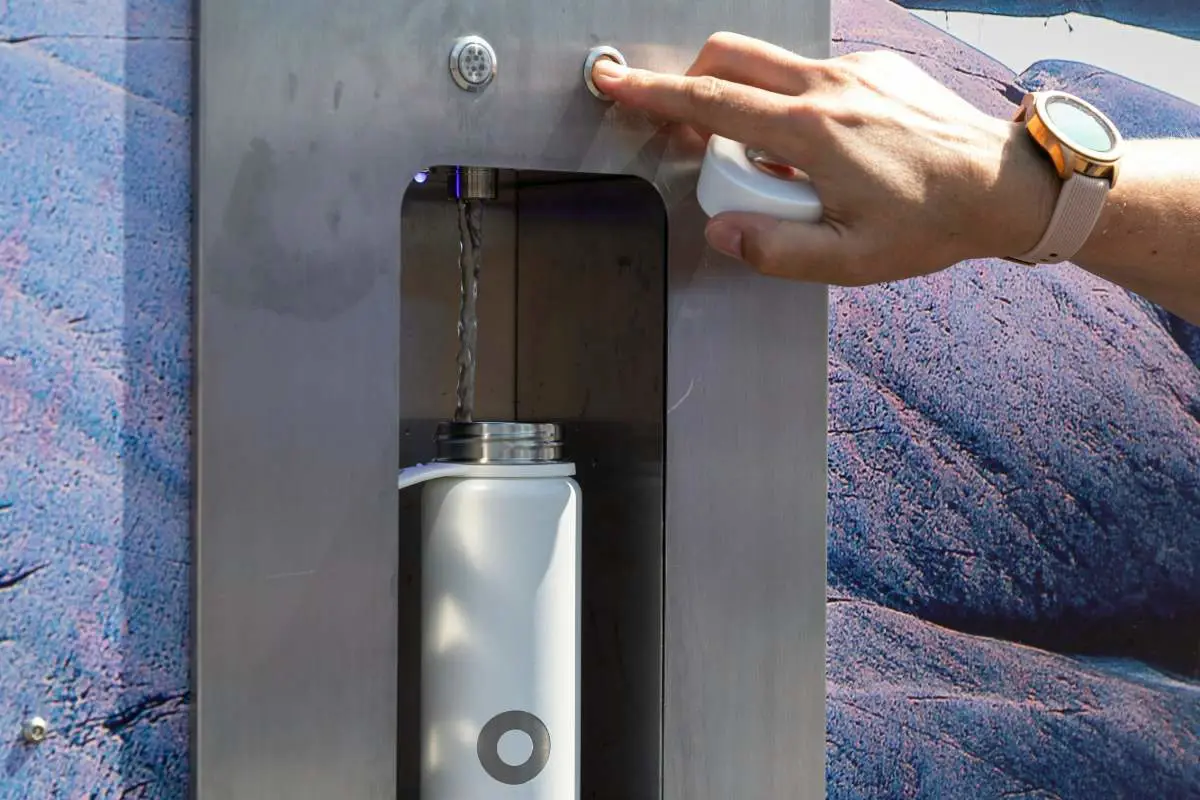
Efficient waste sorting is another key habit. Rinse and separate food containers and other recyclables to ensure they are recycled properly. Choose refillable and package-free options wherever possible, such as shopping at bulk stores or using water refill stations at train stations.
Using Local Recycling Systems
Usually, separate bins are provided for different types of waste, such as packaging materials, paper and cardboard, and organic waste. Familiarising yourself with these categories will make recycling easier during your stay.
Supermarkets and petrol stations often have bottle return machines. These machines process eligible containers and issue refund vouchers. Many neighbourhoods also have glass recycling units with compartments for different types of glass.
Look for designated collection points or marked containers in residential areas or shopping centres for special waste items such as batteries, old electronics or textiles.
Remember that recycling practices can vary by country. Local tourist information centres often provide helpful recycling guides, and smartphone apps can help you navigate the correct disposal methods.
Getting Started with Zero-Waste Travel
Embarking on a zero-waste travel journey doesn't require drastic changes; a few thoughtful adjustments are enough. With the right tools and mindset, you can explore Europe while significantly reducing your environmental impact. The key lies in making informed choices and using platforms designed to simplify sustainable travel.
Key Steps for Zero-Waste Travellers
Start your planning by researching eco-friendly destinations and accommodation options. Look for hotels that are certified by programmes such as Green Key or the European Ecolabel. These certifications ensure that hotels meet sustainability standards. Plenty of eco-villages and small, family-run guesthouses across Europe also prioritise environmental responsibility.
Pack smartly, bringing zero-waste essentials tailored to your destination. A reusable water bottle is essential if you want to use Europe's extensive network of public refill stations. Many cafés even offer discounts for using your own cup. These small yet impactful choices make eco-friendly travel effortless and enjoyable.
If flying is unavoidable, offset your emissions. Programmes like Atmosfair allow you to offset the environmental impact of air travel. Offsetting your carbon footprint ensures that your travel aligns with your sustainability goals.
Making Green Travel Simple
Thanks to platforms designed to handle the details, planning sustainable travel has never been easier. Exploreo.com is one such platform, offering millions of eco-friendly accommodation options and thousands of curated ecotours. What makes Exploreo.com stand out? Every booking comes with automatic carbon offsetting at no extra cost.
Exploreo calculates and offsets CO₂ emissions by planting trees and investing in effective carbon removal projects in partnership with organisations such as Ecologi. For ecotours, the platform offsets emissions at a standard rate of 10 kg CO₂e per person per day, ensuring your travels have a positive environmental impact. This built-in offsetting feature demonstrates their commitment to carbon-negative travel.
Yes, electric vehicles (EVs) generally produce lower greenhouse gas emissions than petrol or diesel cars, especially when charged using renewable electricity. While long road trips may require additional charging stops, improved charging infrastructure is making EV travel increasingly practical and environmentally friendly.
Sustainable tourism involves travelling in ways that minimise environmental impact while supporting local communities and preserving cultural heritage. This includes choosing eco-friendly accommodation, reducing waste, respecting wildlife, using public transport, supporting local businesses, conserving water and energy, and following responsible travel guidelines at your destination.
Travelling sustainably doesn't have to be expensive. Choosing trains or coaches instead of flights, staying in locally owned accommodation, travelling during the off-season, using public transport, carrying reusable water bottles and shopping bags, and eating at local restaurants can often save money while reducing your carbon footprint.
The first step to tackling emissions that can't be fully avoided is to cut down as much as possible by making thoughtful choices, such as opting for low-carbon transport options or staying in environmentally friendly accommodation. Once you have reduced your emissions as much as possible, you can offset the remaining amount by contributing to initiatives such as reforestation efforts or renewable energy projects.
For offsets to make a real difference, they must be additional, permanent and properly verified. This ensures they contribute to real, measurable change. Exploreo plays a part in this by planting trees and supporting projects that curb emissions and benefit local communities.
Focus on third-party-verified certifications rather than marketing claims, which are often unclear or exaggerated. Look for seals from reputable, independent organisations that thoroughly assess environmental practices. Be wary of generic terms such as 'eco-friendly' unless they are backed by proper certification. Specific labels or standards can confirm that the hotel adheres to recognised sustainability benchmarks.
Eco-friendly toiletries include shampoo bars, solid soaps, refillable containers, and products made with natural ingredients and minimal packaging. You can find many soaps that avoid using harmful chemicals that can damage natural ecosystems. Some countries or eco lodges don't have wastewater treatment plants, so the water from your shower can end up in rivers, lakes, and the sea. So if you avoid products with harmful chemicals, you reduce your risk of adverse effects.
A green travel kit typically includes a reusable water bottle, eco-friendly toiletries, a reusable shopping bag, reef-safe sunscreen, reusable cutlery, and digital travel documents to reduce waste and make travel more sustainable.
The best way to reduce carbon emissions in Europe is to make the most of alternative modes of transport, such as trains and ride-sharing. Consider a cycling holiday or hiking.
Carbon offset programs can help tackle climate change, but they work best when paired with direct efforts to cut emissions. Simply relying on offsets isn’t enough to fully address the environmental impact of human activities. That’s why reducing emissions at their source is so important.
For instance, using sustainable aviation fuels can help lower the carbon footprint of air travel. Switching to renewable energy sources such as solar or wind for homes and businesses is another significant step. At the individual level, choosing public transport, cycling, or driving an electric vehicle can make a substantial difference. Even everyday choices, such as buying locally produced goods or reducing meat consumption, can significantly reduce one’s carbon footprint.
Combining these practical actions with offset programs allows both individuals and organisations to play a stronger role in meeting global climate goals while supporting a more sustainable way of life.
Walking and cycling are the most environmentally friendly ways to travel because they produce virtually no carbon emissions. For longer journeys, trains are generally the most sustainable option, followed by coaches and buses. If flying is unavoidable, choose direct flights, fly economy, and consider offsetting your emissions through certified carbon offset programmes.
In many cases, driving can produce fewer emissions than flying, particularly if you're travelling with several passengers in one vehicle. However, trains are often the most environmentally friendly option for short and medium-distance journeys. Whenever possible, compare transport options before booking to find the most sustainable choice.
Exploreo's partnership with Ecologi for tree planting and sustainability projects demonstrates our commitment to long-term environmental sustainability. We aim to offset more carbon than our operations emit, contributing to a greener future.