


For millions of visitors from outside the European Union, travelling to Europe will look a little different.
The new Entry/Exit System (EES), which is now fully operational, marks a major change in how travellers pass through border control when entering and leaving much of Europe. Instead of traditional passport stamps, the system uses digital records and biometric information to track eligible non-EU visitors.
This change is intended to modernise Europe's external borders and eventually make immigration procedures more efficient. However, travellers should expect some disruption while airports and border authorities adapt to the new technology.
So, what is the Entry/Exit System?
The EES is a digital border control system designed to register non-EU nationals travelling to participating European countries for short stays. Under the system, eligible visitors staying for up to 90 days within 180 days will have their entry and exit information recorded electronically. This replaces the traditional practice of manually stamping passports for these travellers.
First-time users will be asked to provide several pieces of information, including passport details, a facial image and fingerprints. This information is stored digitally, so travellers should not need to complete the entire registration process each time they visit Europe.
On subsequent trips, officials can use the stored biometric information to verify travellers' identities. The system is mandatory for travellers who fall within its scope. Anyone who refuses the required biometric checks may be denied entry. Children under 12 are currently exempt from fingerprint scanning, but remain subject to the EES where applicable.
Which travellers are affected?
The EES primarily affects non-EU citizens entering participating European countries for short stays. This includes travellers from countries such as the United States, Canada, Australia and the United Kingdom, to name a few.
However, there are exceptions. EU citizens, for example, are not subject to the system, nor are certain non-EU nationals with specific residence or citizenship rights. Dual citizens should pay particular attention to which passport they use when travelling. Generally, a traveller who is also a citizen of an EU member state does not need to use the EES when travelling under their EU citizenship.
Where will the EES be used?
The system covers 29 European countries. These are: Austria, Belgium, Bulgaria, Croatia, the Czech Republic, Denmark, Estonia, Finland, France, Germany, Greece, Hungary, Iceland, Italy, Latvia, Liechtenstein, Lithuania, Luxembourg, Malta, the Netherlands, Norway, Poland, Portugal, Romania, Slovakia, Slovenia, Spain, Sweden and Switzerland.
However, two EU countries — Ireland and Cyprus — are not part of the EES and will continue to use their existing border control procedures, including passport stamping. This distinction is important for travellers planning multi-country European trips. The EES does not mean that every European country will necessarily process visitors in the same way.

Will airport immigration take longer?
Potentially, particularly while the system is being introduced and refined. Although the EES aims to make border crossings more efficient in the long term, the initial registration process may be slower than a conventional passport check. Travellers encountering the system for the first time may need to have their fingerprints and facial image recorded before they can proceed.
Airports also need to operate the necessary equipment and integrate it into their existing immigration procedures. During the phased introduction of the system, travellers reported long immigration queues at some European airports. These delays are particularly problematic for people with tight connections or onward flights.
For this reason, travellers may wish to allow extra time in their itineraries when arriving in or departing from Europe. Those arriving by air can also take practical steps to reach immigration before most passengers, such as sitting towards the front of the aircraft. When departing, arriving at the airport earlier than usual may help to avoid unexpectedly long border queues.
Do travellers need to register before their trip?
In most cases, no. They do not need to complete a separate EES application beforehand. Registration takes place at the border when required. However, some European countries are introducing tools that allow travellers to provide certain information in advance.
The European Union's 'Travel to Europe' mobile app can be used for pre-registration in certain situations. For instance, travellers visiting Sweden can use the app to provide their passport details and a photo. In contrast, visitors to Portugal can use it to complete an entry questionnaire before arrival. Where available, these options could reduce border processing times. Availability and functionality vary by country, so travellers should check the requirements for their destination before departure.
What happens to passport stamps?
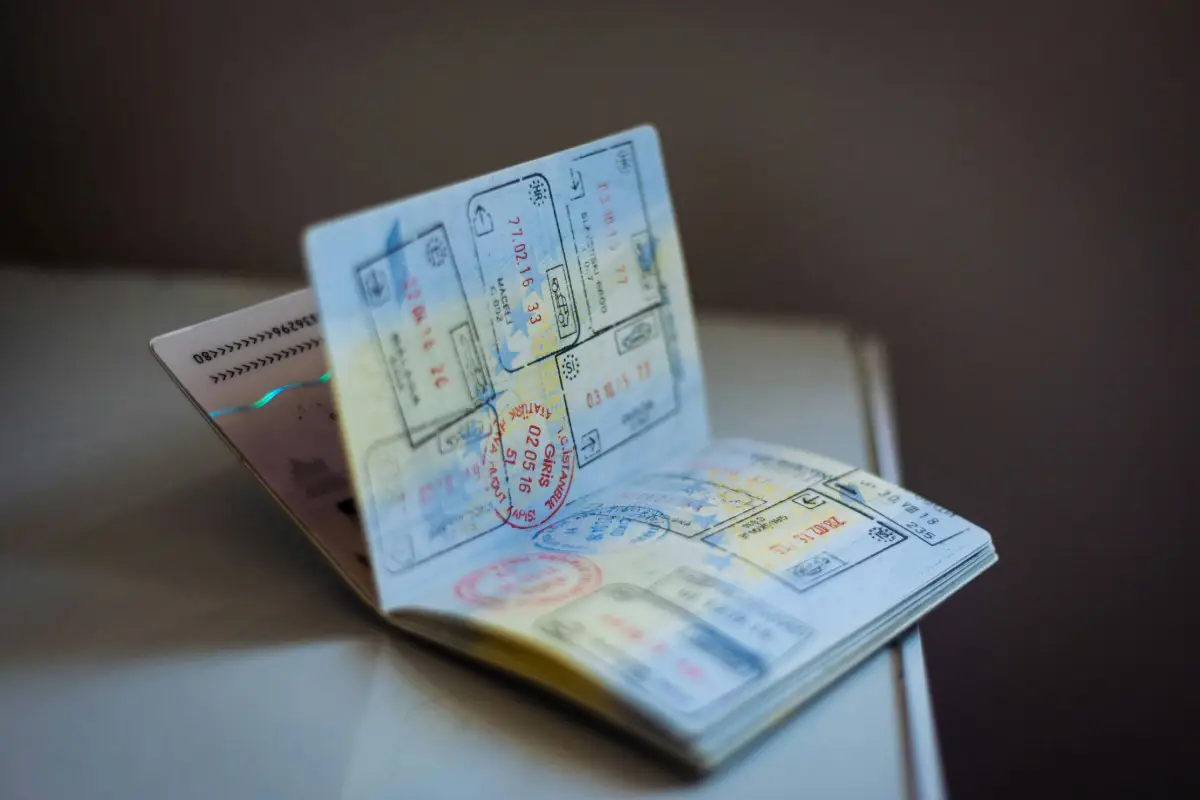
For travellers covered by the EES, digital records will replace physical passport stamps. Rather than relying on a stamp to determine when someone entered or left the region, border authorities can access an electronic record containing the relevant travel information.
This could make it easier for authorities to identify how long a visitor has stayed in participating countries and determine whether they have exceeded the applicable 90-day limit for short-term visits. The most noticeable difference for travellers may be opening their passport after a European trip and finding no new stamp.
Could the system eventually make travel easier?
This is one of its primary objectives. Once a traveller's biometric information is registered, subsequent crossings will generally involve verification rather than full re-registration.
Travellers with biometric passports may also be able to use automated or self-service border control facilities where available. In theory, this could reduce processing times once airports and border authorities have fully adjusted to the new system.
However, the transition period is likely to differ from the eventual experience. New technology, unfamiliar procedures, and varying implementation levels across airports can all cause delays.
What should travellers do now?
The most important thing is to be prepared. Anyone travelling to one of the participating European countries should check the entry requirements before leaving home and allow extra time for immigration, particularly during busy travel periods.
Travellers should also ensure that their passports are valid and biometric, where relevant. Those using connecting flights should not assume that a previously routine connection will take the same amount of time under the new system. Travellers do not need to pay a fee or submit a separate application for the EES.
It is also important to distinguish the EES from the European Travel Information and Authorisation System (ETIAS), which is another upcoming European travel requirement. ETIAS is a separate travel authorisation system expected to add an extra step for visa-exempt travellers.
A major change at Europe's borders
The introduction of the EES is one of the biggest changes to border processing in Europe in years. Travellers are likely to notice the immediate impact most clearly at immigration desks and automated border gates. Passports will increasingly be linked to digital biometric records rather than receiving physical stamps, so first-time users should prepare for a more involved border control process.
In the long term, however, the system is intended to automate Europe's external borders and provide authorities with a clearer digital record of visitors' movements.
For now, the best approach is to treat the EES as a normal part of travelling to Europe. Make sure you understand whether it applies to you, allow extra time at the airport and check the specific procedures for the countries on your itinerary.
The era of the European passport stamp may be coming to an end. The next generation of European border control is already here for international travellers.
The EES was introduced progressively across the external borders of the 29 participating European countries over six months, with biometric and personal data added in stages until 9 April 2026; from 10 April 2026, the system became fully operational at all participating border crossing points.
The biometric information recorded by the EES depends on whether a traveller requires a short-stay visa, with visa holders having only their facial image recorded because their fingerprints are already stored in the Visa Information System, while visa-exempt travellers generally provide a facial image and four fingerprints, although children under 12 are exempt from fingerprint scanning.