


In October, over 300 ha of forest were cleared to make way for the planned construction of two Google data centres in Finland. This came to the authorities' attention because not all mandatory environmental impact assessments were completed before the trees were cut down. Data centres are becoming significant due to their negative impact on environments around the world, and this is an example of the potential damage they can cause. It also highlights what the world should be doing to monitor data centre construction and how we can move forward to ensure our natural environment stays protected as demand grows.
Where in Finland did this happen?
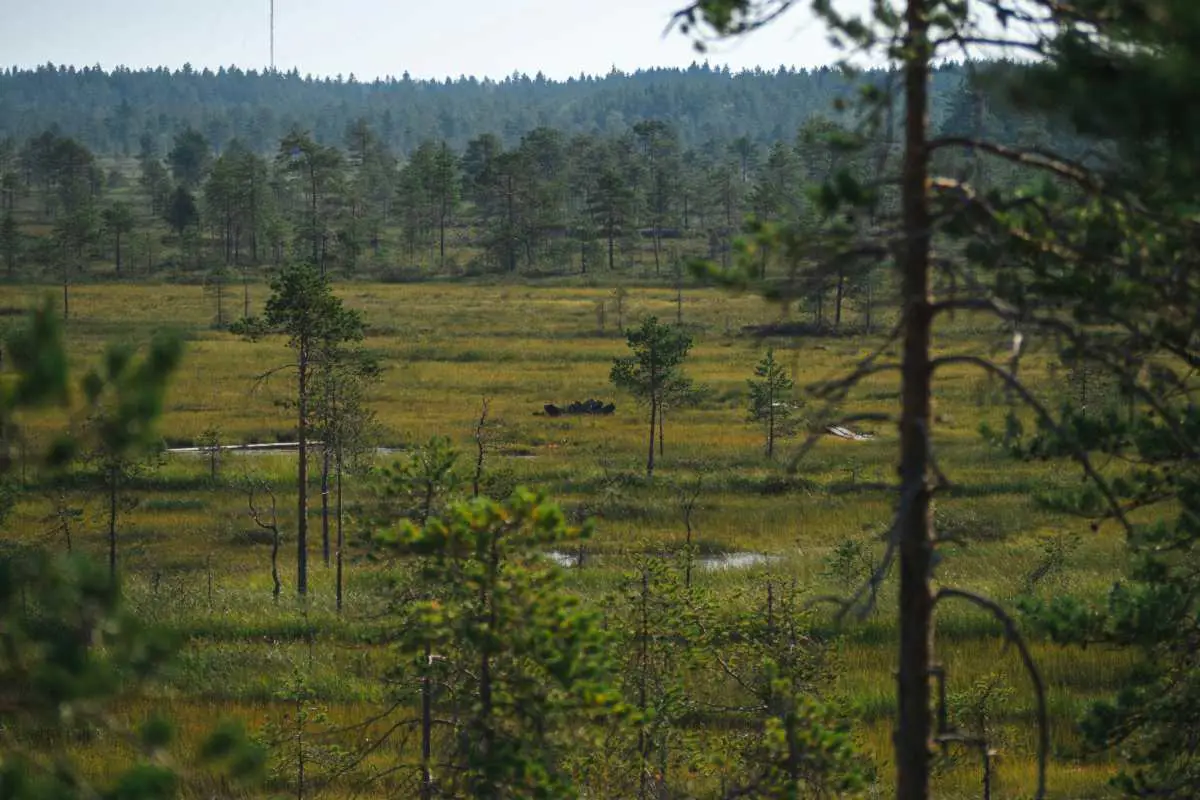
The land was cleared to make way for two data centres in the Muhos municipality in the Oulu region. Google already has another data centre in Hamina, Finland, where it took over a former papermill in 2011. This particular data centre uses seawater for cooling and recovers waste heat to supply local district heating. However, the new data centre will be built on a site with around 250,000 trees. This is concerning because trees are being cut down to make way for the project, unlike the other data centre in Finland that took over an abandoned industrial area. What made this story even more newsworthy was that Google didn't necessarily have all the paperwork in place to go ahead with chopping down trees. From an environmental standpoint, this has caused unknown damage because not all the assessments were complete.
Is this the first country to experience habitat loss to make way for data centres?
Unfortunately, this is not the first instance of deforestation to make way for data centres. It is a global challenge occurring in more places than you might think, and it's not just Google that is building them. Other large companies such as Meta, Amazon, and Microsoft are among the leading companies building data centres to support their cloud services. Data centres are now found globally, and many countries are embracing them because they can contribute positively to the economy by creating income and jobs.
However, this comes with consequences, and many areas have seen damaging results from these structures. For example, Brazil has led Latin America in data centre growth. While the country is trying to introduce renewable energy and be mindful of its impact, negative effects have still disrupted wildlife and nature in those areas. Brazil's neighbour, Uruguay, is also joining this industry and, in 2026, announced plans to build more data centres in rural interior areas, which could impact the natural habitats of species that live there. In Europe, Google has data centres in Belgium, Denmark, Finland, Germany, Ireland, and the UK, among others. This is not new, but it matters more than ever because of the scale and growth driven by demand.
What is a data centre?
A data centre is a large-scale industrial facility that usually houses thousands of custom-built servers and storage drives that power digital services. Companies such as Google have their own data centres, and as online demand grows, they need to build more to keep up with usage. A centre is used mostly to process and store data 24/7 for online services such as YouTube, email providers, cloud services and AI. This is not all that a data centre processes, but it shows how reliant the world has become on them to keep everything running online.
How are data centres impacting the environment?
Data centres impact the environment in several ways because of their high energy consumption and the large areas of space required to build them. Data centres require large amounts of energy, which can strain local energy grids and networks and lead to fossil fuel generation to keep them running. This, in turn, drives up carbon emissions and can put strain on local communities. Data centres also require water for cooling, which puts further pressure on local supplies, particularly in areas that suffer from droughts. Data centres can also produce a large amount of excess heat, which is often wasted and can affect local air temperatures. Because of their size, land use has become an issue for data centres, as forests or farmland have been converted to make way for them, affecting local habitats and ecosystems. They can also produce significant noise from the fans that cool the facility and from backup generators during power outages, which can affect wildlife and nearby residents.

Can a data centre be sustainable?
In theory, data centres can reduce their carbon emissions and impact on local environments by implementing sustainable practices that maximise energy efficiency and focus on renewable power sources. However, implementing this in practice is often difficult because of costs, limited resources, or business decisions that may compromise the environment.
A data centre can heavily reduce its impact by using renewable energy sources to power its operations. It can do so by adopting systems that reuse excess heat for heating and recycle water in ways that have less negative impact on the environment, especially if a data centre is built on a site that is no longer used, such as a former industrial site. This is also another option that could help make a data centre more sustainable than chopping down a forest to make way for it.
Ultimately, there are no options to make the process damage-free, but if reduction practices are followed, they can help reduce the negative impact.
What does this tell us about the future of data centres?
At the rate that cloud services and the digital world are progressing, especially with AI, we are likely to see many more data centres built over the coming years to meet demand. But the companies building them must take responsibility for their impact on local and natural environments, wildlife, and people, as well as the emissions created by running these data centres. Local governments and laws should monitor and restrict how and where centres are built to ensure they don't deplete local resources and services.
Want to learn more about data centres?
You can search for more information about data centres on your local government website. You should be able to find information about where existing data centres are and plans for more. You can also visit Google's and Meta's pages to find out more about their energy consumption and what they are doing to reduce their impact.
The project remains subject to environmental assessments and regulatory investigations before significant preparatory work can resume. Although Google has apologised and proposed biodiversity measures, including tree planting across 130 hectares at Muhos, restoring an established forest ecosystem can take decades. The situation has also raised wider questions about how technology companies balance AI expansion, economic investment and environmental responsibility.
Finnish authorities ordered Google to suspend environmentally significant preparatory work at both sites in October 2026. The decision followed concerns that forest clearance, land preparation and drainage work had taken place before the required Environmental Impact Assessments (EIAs) were completed.
Approximately 330 hectares of forest were cleared in Muhos and just under 200 hectares in Kajaani, totalling around 530 hectares. This is equivalent to more than 740 football pitches of land.
Google planned to build large data centres in the Finnish towns of Muhos and Kajaani as part of a €13 billion investment in AI and digital infrastructure. To prepare the sites for construction, extensive forest areas were cleared, raising concerns about the destruction of natural habitats and local ecosystems.