


Uruguay is perhaps one of the safest countries in South America, with a stable government and policies prioritising renewable energy and wildlife protection; its green focus bodes well for it as an up-and-coming eco-tourist destination. Located between Argentina and Brazil, this small nation is quietly paving the way to a green future, showing what sustainability can look like in South America.
Witness traditional culture
Uruguay is rich in history, tradition, and culture due to its complex history of colonisation, which has seen many settlers over the centuries, there is a strong sense of Spanish heritage within Uruguayan culture, and, as a nation built on farming, this is evident throughout their festivals, events, and celebrations.
Patria Guacha
In spring, the country celebrates the festival of the 'guacho', the name for Uruguayan cowboys. Raising and herding cattle is a big part of Uruguayan culture, and the cowboys are celebrated annually at events across the country. I was fortunate to visit the Patria Guacha in Tacuarembó, which really gave me a feel for what local farming life is like.
The event lasted one week, during which teams of cowboys from various ranches came together to showcase their local crafts, skills, and ranching techniques. As you walk around the festival, you'll see merchants with stands selling locally made goods, including leather products, woollen clothing, and woodcraft, and an arena where you can watch the horses parade with riders in traditional outfits.
One of my favourite parts of the festival was the food, as it brings people together and is very important in Uruguayan culture. Several grills lined the arenas and paddocks, where guachos barbecued locally raised beef and handcrafted sausages, all served with traditional bread. It was delicious, and the locals were very excited that we were indulging in their culture, and they even offered for us to try the mate tea - another tradition that I will cover later on.
Bar Fun Fun
Bar Fun Fun is a tango bar in Montevideo, and it's one of the original venues for dancing and music. Every night at 8 pm, a band takes to the stage, playing traditional instruments alongside an acoustic guitar, singing traditional songs in Spanish. After a few rounds of songs, tango dancers take to the stage to perform the dance that was born in this region of South America.
This particular location is well known for small portions of tapas-style food and a local house drink, which are a must-try when you visit. This small, intimate venue was a great place to visit for a truly local evening of entertainment.
The world's longest carnival
Although Uruguay may not come to mind when you think of carnival, it is home to the world's longest-running carnival celebrations. As in its neighbour Brazil, annual celebrations are held in the capital and across the country, where people dress in colourful outfits and dance through the streets to upbeat music. Montevideo hosts the longest carnival, lasting around 40 days. I caught the tail end of the festival, where traditional clothing and dance were at the forefront.

Explore Uruguay's National Parks
Uruguay is home to many national parks and nature reserves due to its varied landscape and rich biodiversity. There is a large focus in the country on protecting the land and wildlife, and this is evident throughout the landscape. From the Golden Sands on the southern beaches to the rugged rocks in the northern plains, Uruguay has a fantastic range of ecosystems.
Cabo Polonio
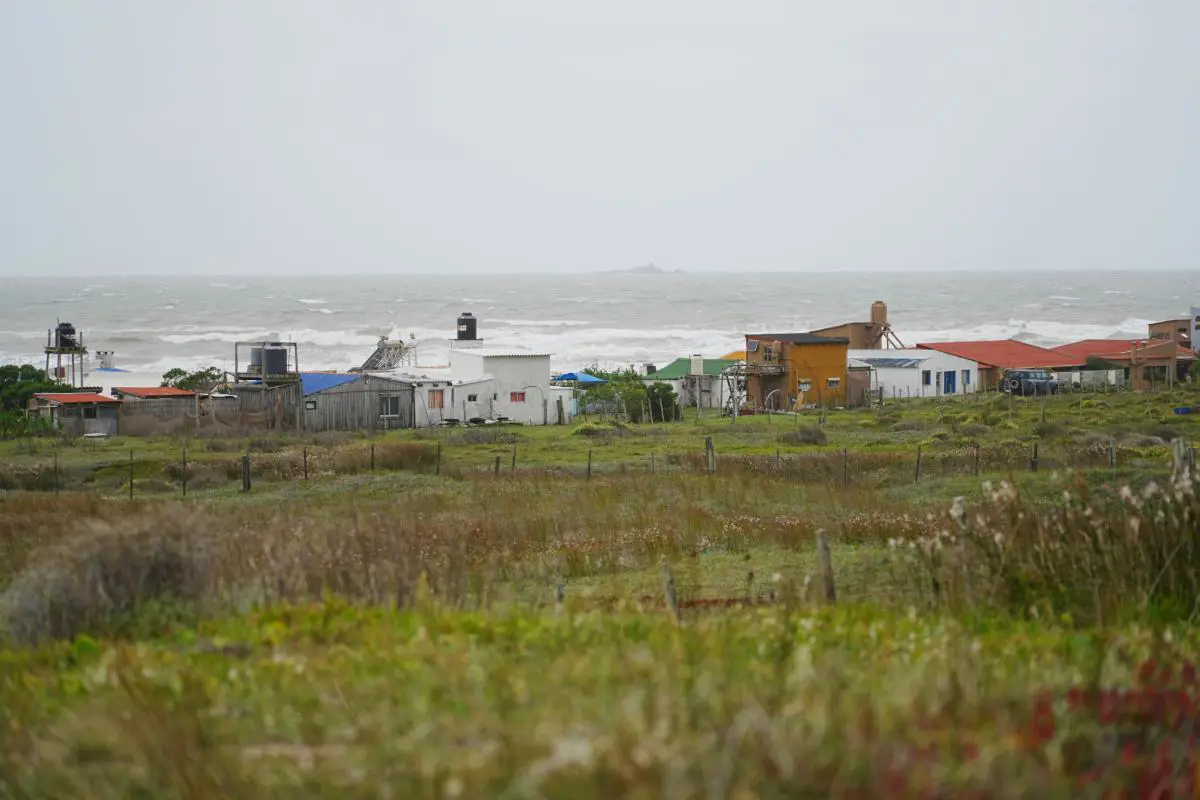
Located on the south coast, near the Brazilian border, is a small national park called Cabo Polonio. This national park is unique because it is one of the few in Uruguay with permanent residents. Most national parks are protected areas for wildlife, trees, and ecosystems, but this place is different: the people are also protected.
The area was first inhabited mostly by fishermen and indigenous people who would hunt the local sea lion colony. But now it has changed, and over the past few decades it has attracted those who wanted to live away from larger communities. It is a small peninsula that extends into the Atlantic Ocean, and originally there was just one lighthouse.
Fishermen began to settle, reusing items that would wash ashore from shipwrecks to build small huts and makeshift housing. Over the years, the area became popular with hippies and those seeking a more off-grid lifestyle, and it expanded into a small village. With the same mindset over the years, it has grown, but only using what was around, so it feels like a very arty, quirky place that is entirely off-grid.
Most houses use solar power, and some don't have running water. The only place that has mains electricity is the lighthouse. There have been many issues over the years with the government wanting to move the people on; however, the region was given National Park status, with protections for the people who live there, too.
I was lucky to visit and stay the night in one of the guesthouses. The experience was very special: the lack of light pollution made stargazing incredible, and the hospitality was heartwarming.
Santa Teresa
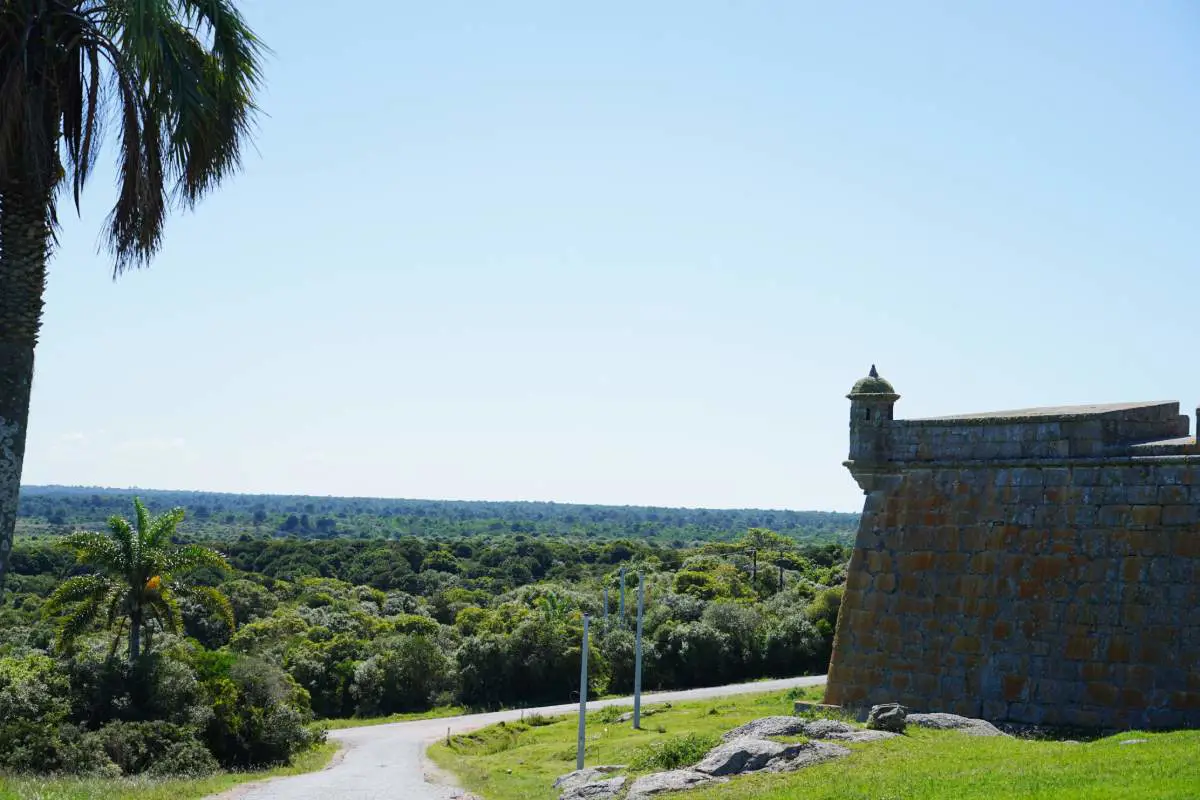
Santa Teresa National Park is a military-run protected area and campground on the south coast of Uruguay. Several buildings throughout the park were once part of a fortress, which is why the military holds the land, as it has always been used for military purposes. At one end of the park, you can explore the fort; at the other, it is a natural paradise where capybaras roam the lakes and wetlands, and turtles come to the golden beaches to lay their eggs.
As I visited at the start of the off-season, the campground was mostly empty, making my experience very tranquil; however, I imagine during peak times it can get very busy, and therefore the opportunity to see wildlife may be reduced.
It is a great place to unwind and feel immersed in your natural surroundings. Camping beneath the trees whilst listening to the waves crash against the shore creates a dreamlike setting, and visitors are welcome in this natural environment. Wildlife comes and goes; whales can be seen on their migratory paths, turtles come to lay their eggs, and birds build nests in the treetops.
Conservation efforts in Uruguay
In 2013, Uruguay declared its coastal areas protected, creating a haven for wildlife such as migrating whales, birds and turtles. This is not the only focus in the country, as many national parks and reserves have been established to protect wildlife and natural habitats.
Turtle conservation
I was fortunate to visit Karumbe, a small turtle sanctuary on the south coast, which educates local communities about sea turtles and provides a refuge for injured turtles that come ashore in Uruguay. The small facility serves as a turtle rehabilitation and hospital, helping the public save injured or ill turtles found on beaches.
Protected areas
There are several protected areas in Uruguay, and one in particular is the Rincon de Franquia. Located in the north, on the border with Argentina and Brazil, this hotspot has become a haven for rare tropical bird species thanks to conservation efforts. The islands in the river attract all kinds of wildlife, and special viewing towers have been set up in the reserve for viewers to admire the landscape across the border into Brazil and Argentina.
Discover some of South America's top-quality produce
Bodegas - the home of wine
Uruguay is home to many wineries, also known as bodegas, and they are grouped around the Canelones department, just outside of Montevideo. It's possible to do an afternoon visit to experience farm life at a winery in Uruguay.
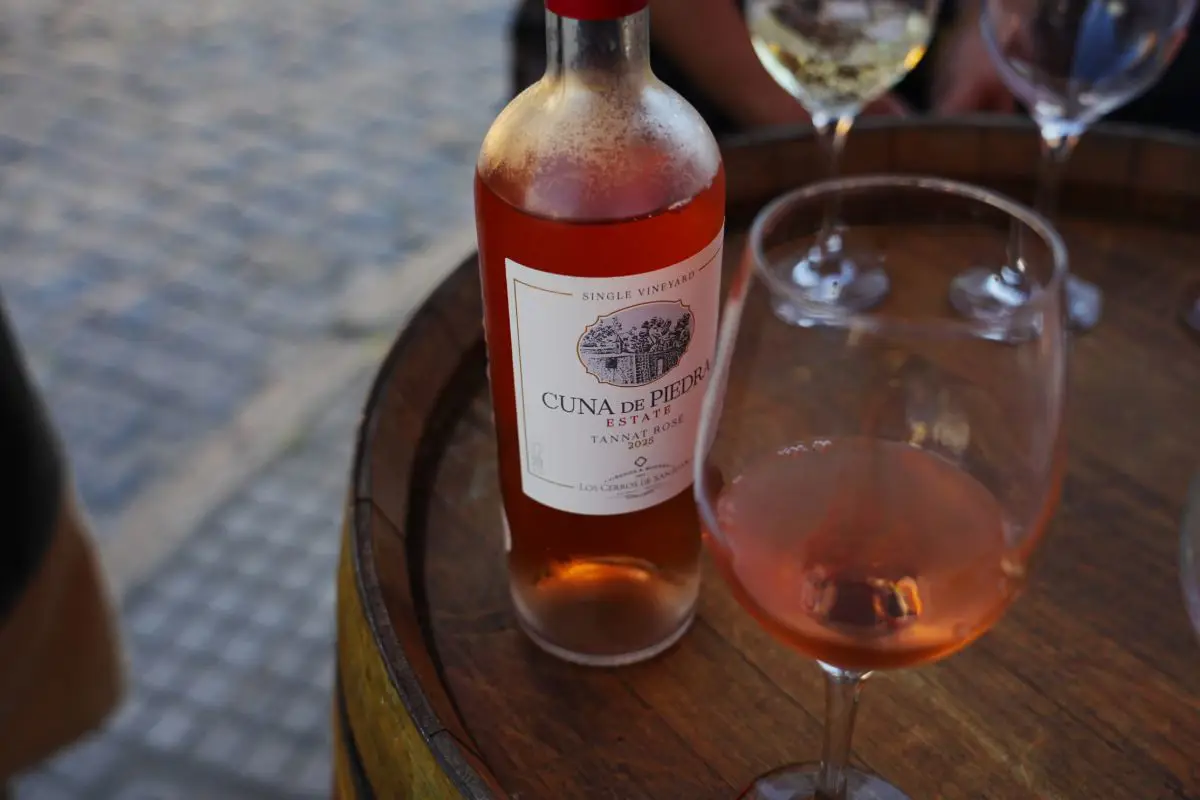
Some of the grapevines are hundreds of years old, producing some of the most unique wines in South America. Uruguay is perhaps an underrated country and is not always considered a producer of great red wine. Still, it has become known for its Tannat red, which is becoming recognised as a unique wine in South America.
Montevideo's Port Market
One of the best places to experience Uruguay's cuisine is the Port Market in Montevideo. As a well-established market, you will find many restaurants grilling up local meats and vegetables as well as a great selection of seafood and other cuisines. As you enter, smoke fills the air, and the restaurants try to entice you in. The hustle and bustle of the atmosphere offers a window into daily life in Montevideo. There are many restaurants to choose from, most of which have the same dishes; however, my favourite is Cabana Veronica. The staff were very friendly, and the food was exceptional here - the grilled cheese is a must-try.
La Casita de Chocolate
Located in the foothills of the southern coastline, just inland from the town of El Eden, it is home to some of the best cuisine in Uruguay. This unlikely town is where you will find creative chefs using local ingredients to craft phenomenal dishes. As I rented a campervan for my journey in Uruguay, I had the freedom to visit the smaller places. As I turned up in the village after finding a recommendation on Google for this small restaurant, I saw a tiny hand-painted sign amongst some shrubbery.
I parked up, walked down a small pathway, and was welcomed into a tranquil sanctuary where rustic tables and chairs were set in a beautiful garden. The restaurant itself looked handcrafted with smooth stone walls and colourful glass. It really felt like a creative paradise. The food here was absolutely delicious, using local ingredients to create fusions I had not yet experienced in Uruguay. I believe the menu changes with the seasons, but when I visited, I had the best mushroom salad and aubergine croquettes in the beautiful garden.
Mate
When you visit Uruguay, one thing is for certain: you will see everyone carrying a thermos and a cup with a special straw for their tea. Mate is a type of tea that is very common in Uruguay. You will see families and friends at the beach with their tea; walking around the towns and cities, locals will stop to drink tea and admire their surroundings. I loved this tradition and thought it was a nice way to pause and enjoy where you were.
Get lost in Uruguay's UNESCO Heritage sites.
Uruguay is working hard to protect not only its natural sites but also its historical heritage sites. As a country that was settled by many nations, the architectural traditions and culture vary widely across the country. This is seen in the buildings and small towns, and below are some of my favourite places to visit.
Colonia del Sacramento
Colonia del Sacramento is a beautiful cobbled town with colourful streets built by the Portuguese. The rugged stone buildings line the jagged streets, adorned with the signature black lanterns that illuminate the town at night. Restaurants set their seating outside, and artists, with their paintings and souvenirs, line the streets. The old town is very picturesque and well-maintained, showing a different side of Uruguay's history and colonial past.
There are many coffee shops, museums, and restaurants here that serve locally crafted goods. This is a great place to visit for those interested in history and small towns, and it is also the gateway to Buenos Aires, where you can take a ferry to Argentina's capital.
Fray Bentos
Another of my favourite UNESCO sites in Uruguay was the Fray Bentos factory and museum. Growing up in the UK, I was familiar with Fray Bentos canned foods, but I never realised they were from Uruguay, so visiting was an interesting way for me to learn more about a brand I recognised but knew very little about. Although the factory is no longer in use, the brand was sold to another distributor, which is why I saw it at home in the UK. The museum visit takes you through the old factory, where you can see the machinery and learn about the meat canning process.
The eerie buildings stand tall, and as you walk around, you can imagine the noises and atmosphere of when the factory was in full swing. There are daily tours in English, Spanish, and other languages at 3 pm. Although you need to pay an entrance fee, these guided tours are free and run by volunteers. I took one of these tours, and it was a great way to learn more about the factory's history and its impact on the local town.
Cristo Obrero Church
This futuristic building has become recognised as an architectural masterpiece, and even if you are not religious but appreciate architecture, it is worth a visit. Unfortunately, I didn't make it in time for the guided tour, and there is little information on site, but the colourful glass and orange brick are beautiful to admire. The guided tour takes you to the bell tower and underground baptistery, and as an active church, you can even visit on days where ceremonies are taking place.

Why should Uruguay be on your travel list?
Uruguay may not be the first country that comes to mind when you think of South America. Still, it is one that definitely belongs on your bucket list, as one of the leading countries in South America for renewable energy and for its strong focus on local seasonal produce. Uruguay is the perfect place for those seeking a sustainable adventure.
As well as being one of the most sustainable countries in South America, it is also an interesting place to visit for those interested in gastronomy and culture shaped by its varied past and diverse settlers.
From colourful cobbled streets to golden beaches, Uruguay offers an adventure at every corner where visitors can eat locally and enjoy tradition at its finest.
Focus on third-party-verified certifications rather than marketing claims, which are often unclear or exaggerated. Look for seals from reputable, independent organisations that thoroughly assess environmental practices. Be wary of generic terms such as 'eco-friendly' unless they are backed by proper certification. Specific labels or standards can confirm that the hotel adheres to recognised sustainability benchmarks.
A green travel kit typically includes a reusable water bottle, eco-friendly toiletries, a reusable shopping bag, reef-safe sunscreen, reusable cutlery, and digital travel documents to reduce waste and make travel more sustainable.
Carbon offset programs can help tackle climate change, but they work best when paired with direct efforts to cut emissions. Simply relying on offsets isn’t enough to fully address the environmental impact of human activities. That’s why reducing emissions at their source is so important.
For instance, using sustainable aviation fuels can help lower the carbon footprint of air travel. Switching to renewable energy sources such as solar or wind for homes and businesses is another significant step. At the individual level, choosing public transport, cycling, or driving an electric vehicle can make a substantial difference. Even everyday choices, such as buying locally produced goods or reducing meat consumption, can significantly reduce one’s carbon footprint.
Combining these practical actions with offset programs allows both individuals and organisations to play a stronger role in meeting global climate goals while supporting a more sustainable way of life.
Exploreo works with certified tour operators and accommodation partners that adhere to sustainable practices. We prioritise partnerships that share our commitment to environmental responsibility.
To ensure a carbon offset program is actually making a difference, it’s essential to choose one that’s certified by well-known third-party organisations. These certifications ensure that the program adheres to strict emission-reduction protocols.
Additionally, prioritise programs that provide transparent, detailed reporting. This means they should explain exactly how your funds are being spent and demonstrate measurable results from their projects. Check for specifics about the initiatives they support - like reforestation efforts or renewable energy projects - and make sure these match your own environmental priorities.
Be wary of programs that make vague promises or provide little to no documentation. A reliable program will clearly outline its methods, goals, and the long-term impact of its work. Transparency is key.
Exploreo offers a wide range of adventure experiences including trekking, safaris, skiing, snowboarding, mountain biking and more. Our focus is on sustainability to ensure eco-friendly adventures for all.
When you book your travel through Exploreo, you not only contribute to sustainability efforts such as tree planting and carbon offsetting, but you also have the opportunity to stay informed and involved through our magazine and participate in various eco-initiatives we support.