


Guyana, located between Brazil and Venezuela, is often overshadowed by its neighbours, but this nature-rich destination is one to add to your bucket list. With over 80% of its land pristine jungle and raw landscape, it offers a rare opportunity for visitors to get off the beaten track and enjoy a real adventure in the green heart of South America.
I visited during January and February, which is the dry season, making travel more pleasant than in the wet season that begins in May. Depending on what you want to do when you visit, the time of year you choose to go to Guyana will impact your experience. From my experience, I recommend visiting in February.
Stay with an indigenous community
Guyana offers a rare opportunity for visitors to stay within indigenous communities and learn about traditional ways of life. Many of the eco-lodges in the jungle are on indigenous land and are therefore entirely run by local communities. I was really impressed that all the eco-lodges I visited were funded and built by locals, not by large corporations.
This may be my first time visiting a destination where tourism projects are supported by the government but largely self-funded, discouraging the construction of large hotels and large-scale tourist attractions. Knowing that the money you spend at one of these eco lodges goes directly back to the community is a really positive feeling and demonstrates sustainable tourism at its finest. This mindset could present a very green future in tourism for Guyana.
Another unique aspect of visiting Guyana's indigenous community is the ability to communicate. This is something I had not experienced before: the ability to communicate with indigenous communities in South America, in English. Guyana is the only English-speaking country in South America, which makes it unique in how tourists and locals interact. This element made my trip to Guyana very special as I was able to dive deeper into understanding local traditions and community values.
Over the years, as tourism has developed in Guyana, it has created another source of income for indigenous people, allowing them to showcase their culture and generate funds to improve their standard of living for future generations. There are many eco lodges to stay at, and you can show your support by visiting for a day or staying the night. Some of my favourites are listed below.
Caiman House, Yupukari
Yupukari is an indigenous community whose people come from the Macushi tribe. Within the community, a guesthouse called Caiman House was built for tourists wanting to learn more about local life and conservation projects. The initiative was originally established as a research centre for Caiman. Over the years, tourists have been encouraged to visit to see the work carried out here by both scientists and locals.
Tourists can visit, stay the night and take part in research excursions and trips. I was fortunate to stay here for one night and join an excursion to tag black caimans, part of a project to help dwindling populations. We left as the sun set, floating down the river in search of caiman. I was on the tourist boat that followed the team of brave conservationists, who managed to capture a small female caiman. They lifted her to the shore, where I helped them take measurements and tag her so they could monitor her growth and life on the river. The project was set up due to declining numbers resulting from overhunting. Through educational programs and the work of conservationists, the local community became more aware of the effects of overhunting, and, as a result, caiman conservation has become a strong part of their identity.
Surama Eco Lodge
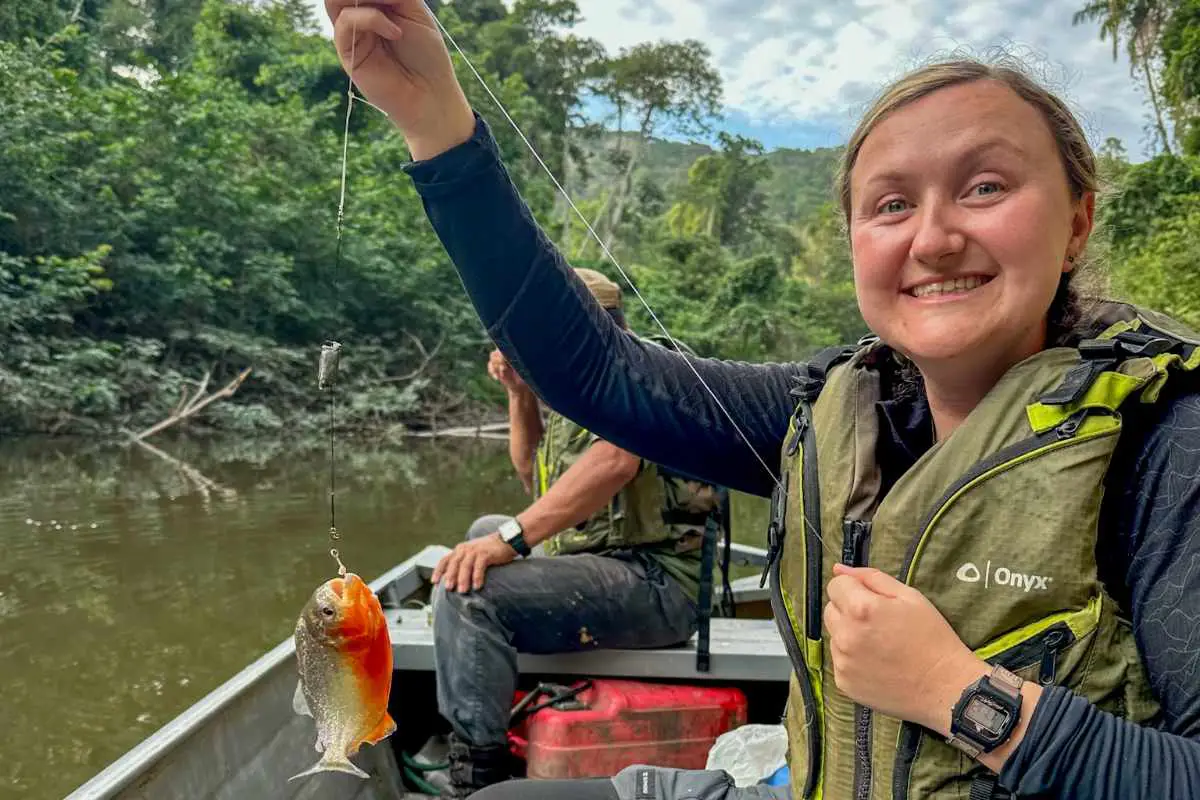
Located on the edge of the jungle, as the golden savannahs of the Rupununi begin, Surama Eco Lodge offers a fantastic opportunity for birdwatchers and adventurers to experience a local way of life. I was fortunate to join a two-night tour with The Wild Tales Inc for a jungle survival experience. My guide, Lionel, is a local with extensive knowledge of indigenous culture and jungle survival. The tour gave visitors the opportunity to be with an indigenous guide in the jungle to learn from them how to survive and thrive in a landscape that is their home. I learnt how to fish the traditional way with just the line, and then how to prepare and cook our catch using local ingredients. He taught me how to survive in the jungle, find water, and identify animal tracks and plants, and it was an experience I will never forget. As we move into a digital age with less interest in staying connected to our roots, this was a refreshing experience that I hope will encourage future generations of Indigenous people to preserve their heritage and cultural traditions for tourism.
Indulge in local cuisine
Guyana is a melting pot of cultures, and this is really reflected in its food. From Indian influences to Asian, African, and indigenous ingredients, the cuisine in Guyana blends flavours from all cultures to create something truly unique. There are several food-related tours and cooking experiences in Guyana, and here are some of the most popular.
Essequibo food tour
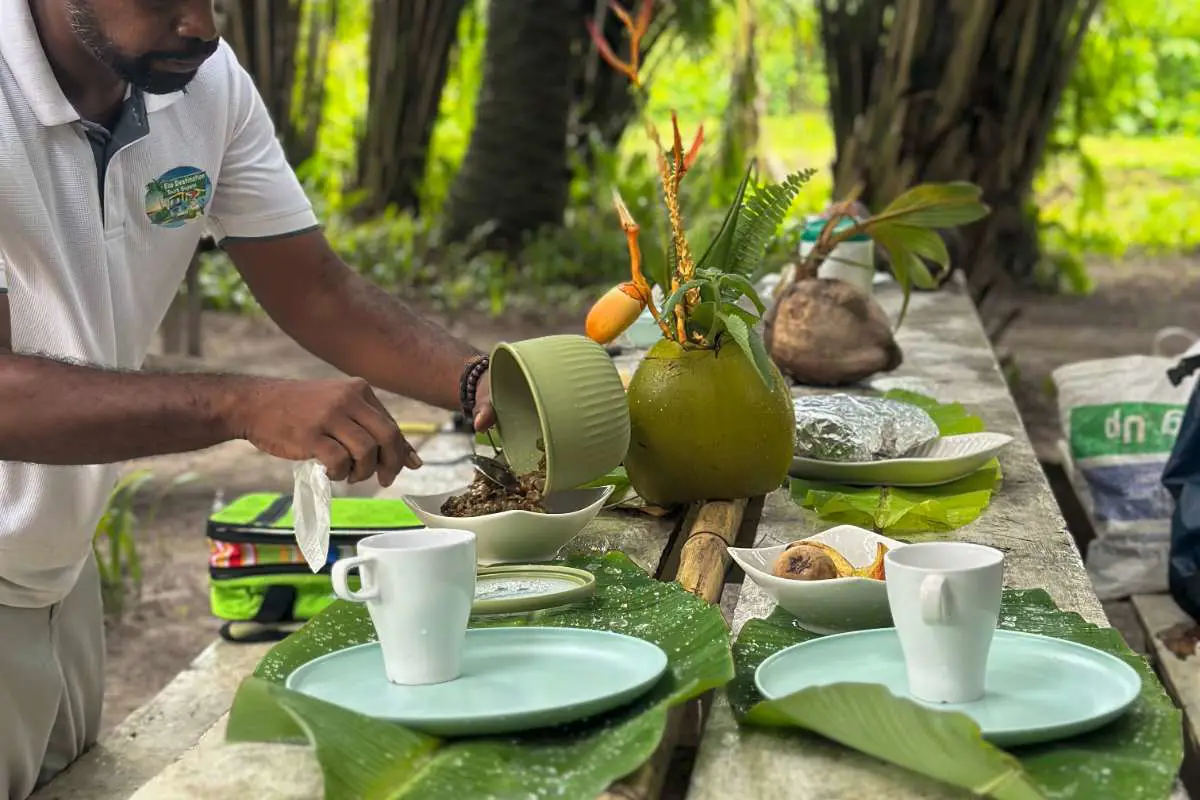
My guide, Romain from Eco Destination Tours Guyana, took me on a food tour of the Essequibo Coast, the region known primarily for its sweet coconuts. The tour lasted the day, and I sampled delicious dishes, from curries to channa, noodles, and more. What surprised me most was the variety in ingredients and the unique way of cooking. I felt like I was discovering a new cuisine, and the fusion of flavours was incredible.
One of my favourite dishes was the coconut choka, where coconut is grilled over a fire to develop a smoky flavour, then ground with fresh chilli and raw garlic, and rolled into a ball. This is then served alongside a curry, and the sweet, smoky, spicy combination of flavours really complements the dish and tastes like nothing I’ve had before.
Locally grilled fish
Whilst on a tour with Tara’s Tours, I sampled some locally caught fish that was grilled and served with a fresh salad. This simple roadside stop in Lethem, Rupununi, was a great experience to try local food in a typical setting. It was nothing fancy, just a roadside grill, with an assortment of plastic tables and chairs, but there was a buzzing atmosphere, and the food was delicious. Guyana offers many food-tasting opportunities, and these vary greatly across regions.
Bush bar experience
For those who like to sample local alcohol, I would highly recommend the Bush Bar Experience from Touring Guyana. It started in Georgetown in a cute garden where a selection of locally produced alcohol was presented alongside traditional snacks and live music. A local winemaker shared her fruit wines and processes, and we tried El Dorado rum, Guyana’s famous spirit. To end the evening, we made our own fruit brew, which was a nice interactive way to finish the experience. This was a fun, lighthearted evening and a great way to taste the different flavours of Guyanese alcohol alongside famed street food items such as the Exclusive egg ball.
Local ingredients with creative cooking
As the food scene in Georgetown grows, there are several opportunities to see creative cooking at its finest. One of my favourite experiences was visiting Café Fresh, run by Michelle, a Guyanese woman who grew up in Canada and has recently relocated back to Guyana. Her creativity in cooking was evident in the food, and it is clear that she is passionate about using local fresh ingredients in a modern and fun way. Upon arrival, after being seated, we were given a tasting plate with small samples of the flavours we would experience in our meal. This was really unique and added so much to the dining experience.
Michelle showed us fruits from the garden and explained about what she is doing to reduce food waste and to source locally grown ingredients. It was really refreshing to see so much passion for food and dining in Guyana.
Witness the raw beauty of an untouched corner of South America
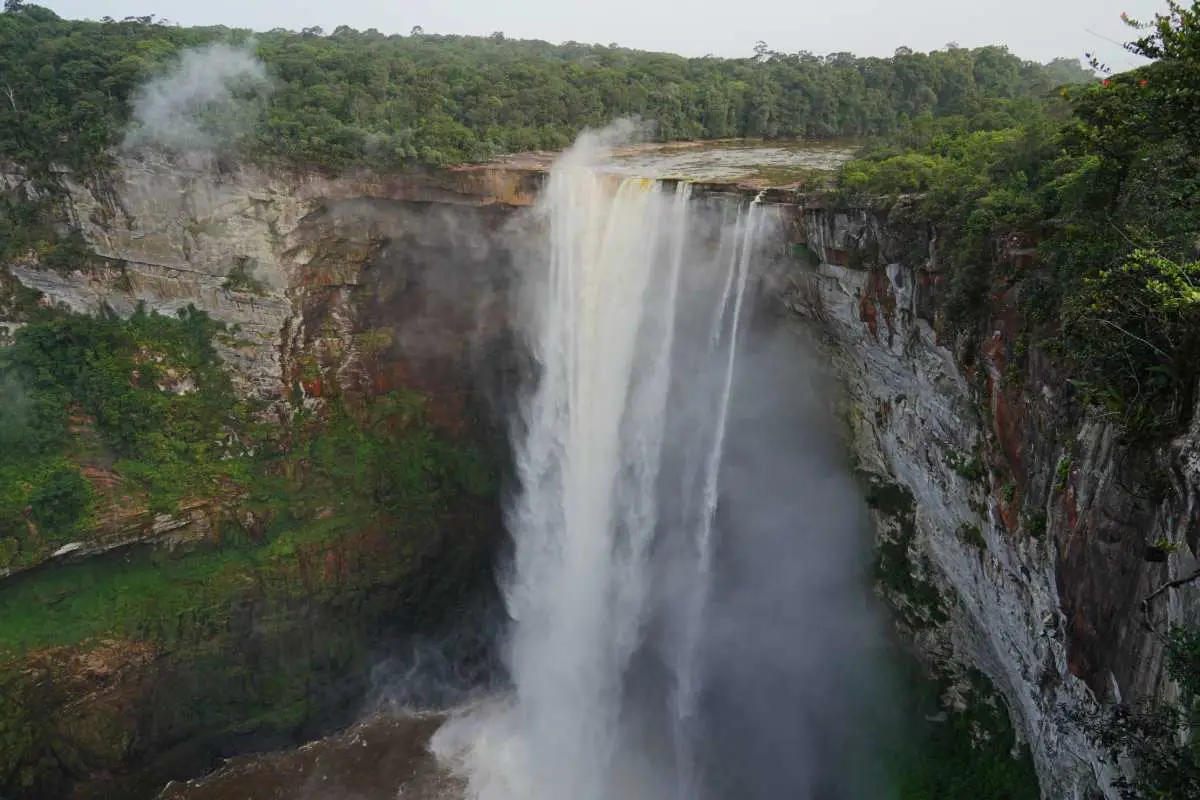
As a rarely visited tourist destination, Guyana offers a fantastic opportunity for visitors to get truly off the beaten path. It can be challenging to travel around the country due to limited infrastructure; however, this also adds to the adventure and is perhaps a reason why it has remained so intact. From the lush green jungles in the centre to the dry grasslands of the Rupununi and the tall tabletop mountains of Pakaraima, Guyana offers diverse landscapes and rich biodiversity.
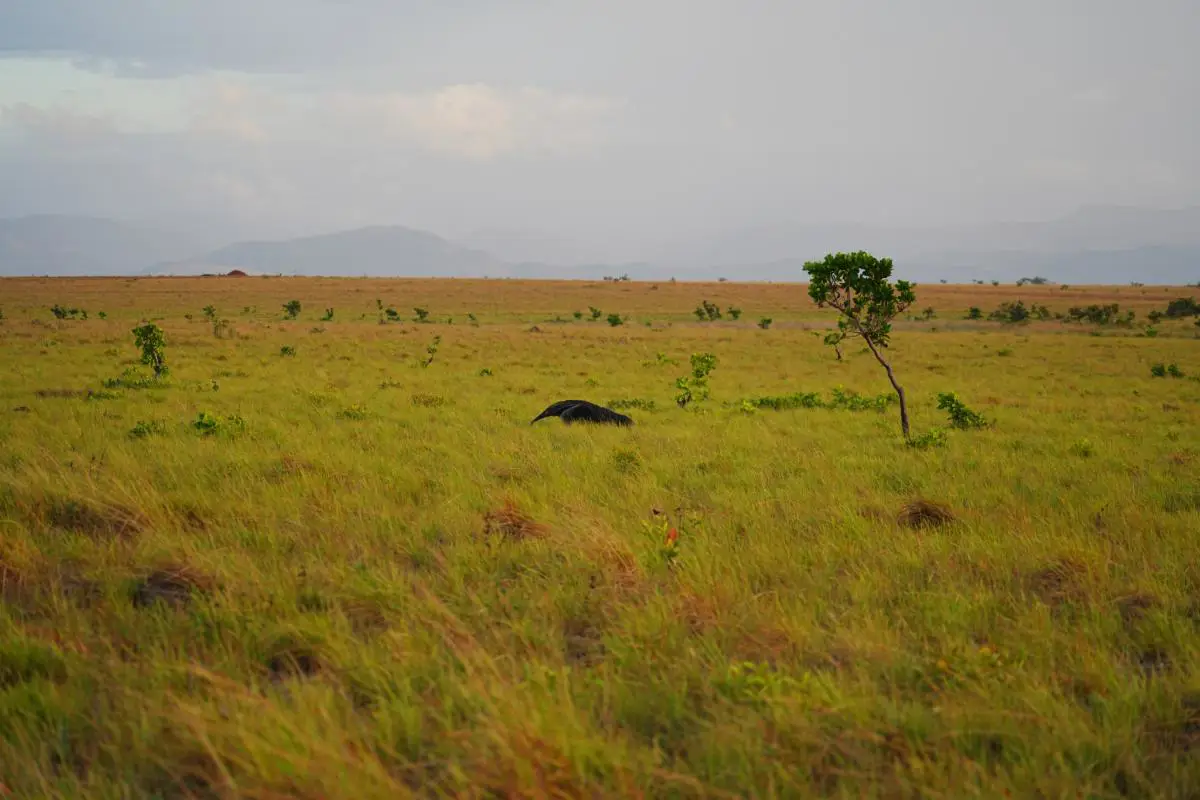
Whether you want to track jaguars in the Rupununi or have a chance to see giant anteaters, there are many opportunities for wildlife enthusiasts. Guyana is a well-established birding destination, and many people visit for the cock of the rock, a brightly coloured bird which is only found in the Guianan shield. From monkey species to anacondas and piranhas, Guyana showcases a fantastic array of Earth's biodiversity.
Some of the top sights to visit:
- Kaieteur Falls
- Iwokrama Canopy Walkway
- Rewa Eco Lodge
- Rupununi Savannahs
- Mahaica River
- Wichabai Ranch
Learn about conservation projects protecting Guyana’s wildlife
Several conservation projects across Guyana stood out to me, and there is a clear effort to preserve its natural wonders. One of the top places to visit is the Iwokrama River Lodge and Research Centre, although there are many other places to stay and witness research and conservation in action.
Karanambu Lodge
One of my favourite places to stay was Karanambu Lodge. It was set up as a sanctuary for giant otters, and whilst I was there, I was fortunate to meet a giant otter that was currently in their care. This particular otter had been abandoned by its mother, and the staff at Karanambu had taken on the task of raising it to an age where it would be safe to re-release it into the Wild. The lodge was a beautiful place to stay, and the conservation efforts experienced here made it a really wonderful place to visit.
Wichabai Ranch
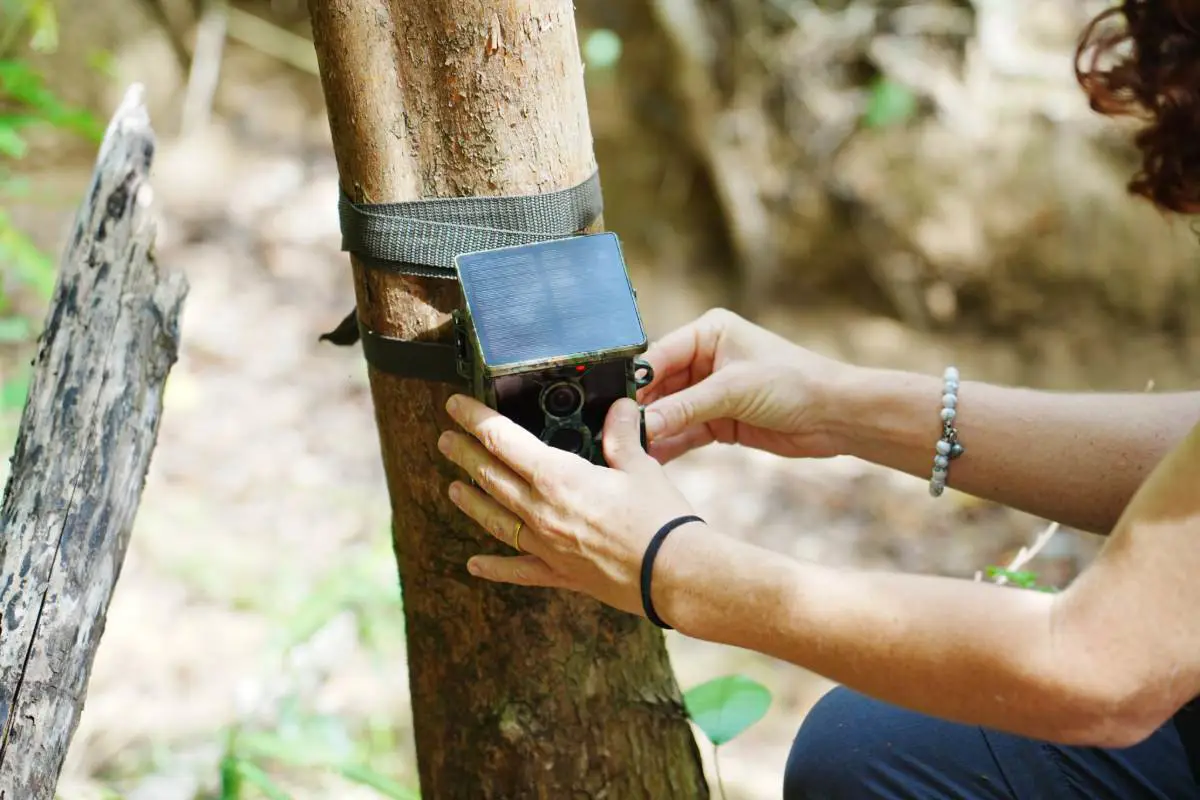
Located in the South Rupununi, Wichabai Ranch was another fantastic place to visit to understand conservation efforts in the region. As the home of the South Rupununi Conservation Society, there was a lot happening at the site. They had recently taken in a baby giant anteater that had been taken from its mother, likely for sale on the black market. In addition to raising animals, there are many conservation efforts underway here, from helping save the Red Siskin bird to raising capybaras as an alternative hunting resource for indigenous communities. Camera trapping is another activity that guests can join to monitor wildlife, in particular jaguar presence, within the bush islands.
Why should Guyana be on your travel list?
Guyana is an up-and-coming destination in South America, home to rich biodiversity and untouched nature. It could even be considered South America's last frontier, where visitors can enjoy a truly sustainable and off-the-beaten-track adventure. I enjoyed my time in Guyana and met many people along the way who taught me about their traditions, food, culture, and heritage, making it an enriching experience.
Many of the lodges and ranches use solar power, grow their own produce and raise farm animals, making their carbon footprint minimal. These green traits are natural to the area's way of life, and it is clear that the communities care for their land and environment.
Of course, there are always people who don’t share the same care and mindset, meaning there is, unfortunately, illegal mining, hunting, and practises that damage the environment. But tourism and conservation in Guyana present opportunities to reduce illegal and destructive activities in smaller communities and to empower people to protect their land and traditions.
Guyana is a country of natural wonders, and its people are doing what they can with the resources they have to protect this quiet corner of South America.